Common Signs of Iron Deficiency You Shouldn't Ignore
Iron is a vital nutrient that plays a crucial role in many bodily functions, most notably in making hemoglobin, a protein in red blood cells that carries oxygen from your lungs to the rest of your body. When you don't have enough iron, your body can't produce enough healthy red blood cells, leading to a condition known as iron deficiency. Recognizing the signs early can help you address the issue before it progresses.
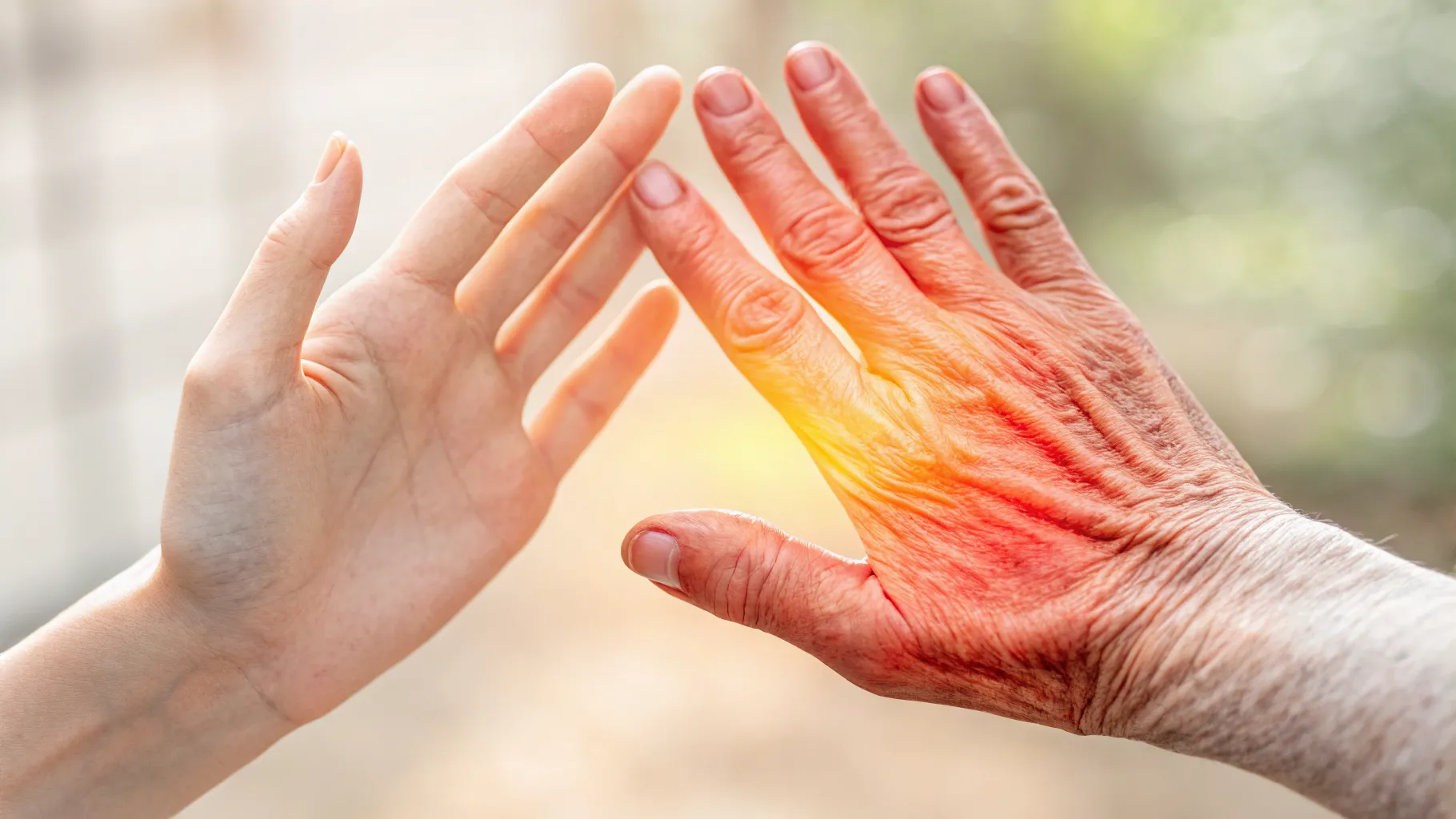
Unusual Fatigue and Weakness
One of the most prevalent signs of iron deficiency is persistent and unexplained fatigue. This happens because your body lacks the iron needed to produce adequate hemoglobin. Without sufficient hemoglobin, less oxygen reaches your tissues and muscles, depriving them of the energy they need to function optimally. This isn't the kind of tiredness that goes away with a good night's sleep; it's a profound sense of exhaustion that can interfere with daily activities.
This lack of energy can also manifest as general weakness. You might find it more difficult to get through a workout, carry groceries, or even focus on tasks at work or school. Because fatigue is such a common symptom for many conditions, it's often overlooked. However, if it's accompanied by other signs, it may point toward an iron issue.
Pale Skin and Inner Eyelids
Hemoglobin is what gives blood its rich red color, which in turn contributes to the healthy, rosy tone of your skin. When iron levels are low and hemoglobin production drops, your blood becomes less red. This can cause your skin to lose its color, a condition known as pallor. It is often one of the first things a doctor might look for when suspecting an iron deficiency.
This paleness can be generalized across the entire body or more localized. A particularly useful place to check for this sign is the inside of the lower eyelids. In a person with healthy iron levels, this area is typically a vibrant red color. If it appears pale pink or almost white, it can be a strong indicator of low iron and hemoglobin levels.
Shortness of Breath or Dizziness
If you find yourself getting out of breath during normal daily activities that you used to handle with ease, like climbing a flight of stairs or walking a short distance, low iron could be the culprit. As mentioned, low hemoglobin means your body can't transport oxygen efficiently. To compensate, your breathing rate increases as your body tries to get more oxygen into the system, leading to shortness of breath.
In addition to breathlessness, you might experience dizziness or lightheadedness. This is also related to insufficient oxygen, specifically a lack of oxygen reaching the brain. Feeling faint or dizzy, especially when standing up too quickly, can be another signal that your body is struggling with low iron levels.
Headaches and Cold Extremities
Headaches can also be a symptom of iron deficiency, although they are less common than other signs. The exact mechanism isn't fully understood, but it's believed that low hemoglobin levels can mean that the brain isn't receiving an optimal supply of oxygen. In response, the blood vessels in the brain may swell, causing pressure that results in headaches.
Do you frequently have cold hands and feet, even in warm environments? This could be another subtle clue. Poor oxygen delivery to the extremities is a common consequence of iron deficiency. With less oxygenated blood reaching your fingers and toes, you may experience a persistent feeling of coldness in these areas.
Brittle Nails and Hair Changes
When the body is low on iron, it prioritizes delivering the limited oxygen supply to vital organs and essential functions. This means that less crucial parts, like your hair and nails, can be affected. You might notice that your hair is becoming drier, weaker, or that you're shedding more than usual. While some hair loss is normal, a significant increase could be linked to a nutrient deficiency.
Your nails can also provide tell-tale signs. Iron deficiency can cause them to become brittle, chipping and cracking easily. In more severe, long-term cases, a condition called koilonychia can develop, where the fingernails become concave, or 'spoon-shaped', dipping in the middle with raised edges.
Unusual Cravings and Tongue Soreness
A peculiar and less common symptom of severe iron deficiency is a condition called pica. This involves cravings for non-nutritive, non-food substances such as ice, dirt, clay, paper, or chalk. The reason for these strange cravings is not entirely clear, but they are a recognized clinical sign of a significant mineral deficiency.
Another sign to look for is changes in your mouth. Your tongue may become swollen, inflamed, sore, or appear strangely smooth as the small bumps on its surface (papillae) stretch out and disappear. Cracks on the sides of the mouth, known as angular cheilitis, can also occur. These symptoms arise because low iron can lead to reduced levels of myoglobin, a protein in muscle tissue like the tongue.
When to Consult a Healthcare Professional
While this article outlines common symptoms, it's important not to self-diagnose. Many of these signs can be caused by a wide range of other health conditions. If you are experiencing several of these symptoms consistently, it is best to schedule an appointment with a healthcare provider for a proper evaluation.
A simple blood test can confirm whether you have an iron deficiency. A professional can determine the underlying cause and recommend the most appropriate course of action, which might include dietary changes or iron supplements. It is not advisable to begin taking iron supplements without medical guidance, as excessive iron can be harmful to the body.