Discover the Best Sustainable Fashion Brands 2026 for Ethical Clothing and Eco-Friendly Apparel
Facts:
- Global sustainable fashion market to reach $13.5B by 2027.
- Consumer demand for ethical clothing is rapidly increasing for conscious consumerism.
Navigating the Landscape of Ethical Clothing and Eco-Friendly Apparel
The fashion industry is undergoing a significant transformation, driven by a growing awareness of its environmental and social impact. As we look towards 2026, the demand for truly sustainable fashion brands continues to accelerate, with consumers increasingly seeking out ethical clothing and eco-friendly apparel. This shift isn't just a trend; it's a fundamental change in how we perceive and consume fashion, emphasizing longevity, transparency, and responsibility. Understanding which brands are genuinely committed to these principles is crucial for any conscious consumerism advocate looking to build a wardrobe that aligns with their values and contributes positively to the planet.
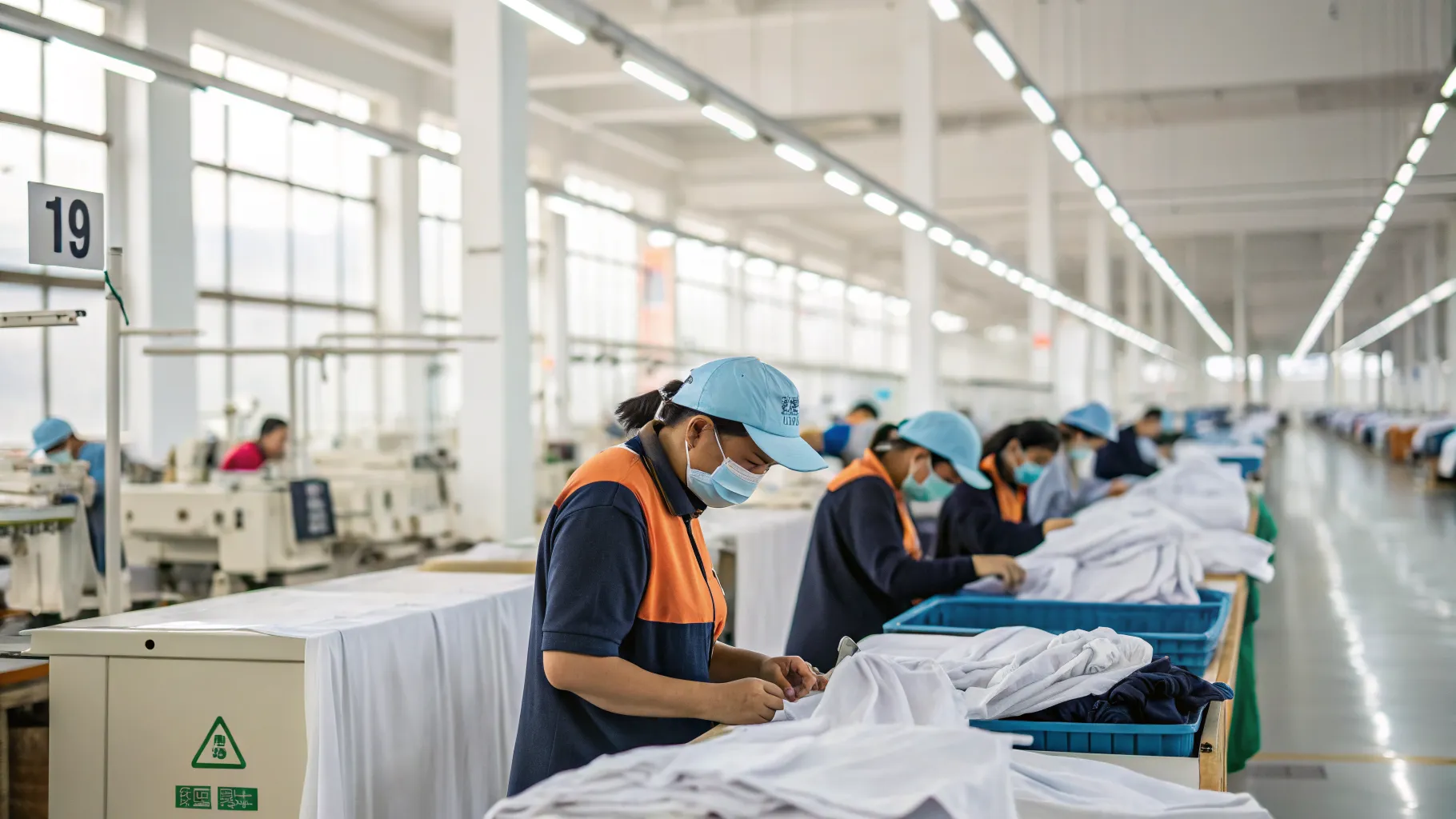
The Best Sustainable Fashion Brands 2026 Setting New Standards
Identifying the top sustainable fashion brands involves evaluating their commitment across various aspects: material sourcing, production processes, labor practices, transparency, and circularity initiatives. The brands highlighted below are not just making small changes; they are fundamentally rethinking fashion to offer genuine eco-friendly apparel and promote a truly sustainable style.
Everlane: Transparency and Thoughtful Design
Everlane has long been a frontrunner in transparency, openly sharing the true cost of their products and the factories where they are made. In 2026, they continue to innovate by expanding their use of certified organic cotton, recycled materials, and reducing their water footprint significantly. Their focus on minimalist design ensures that their ethical clothing pieces are timeless, promoting longevity and reducing the need for frequent replacements. Everlane's commitment to fair labor practices across their supply chain makes them a reliable choice for conscious consumerism, ensuring every piece of clothing is made with respect for both people and the planet.
Patagonia: Pioneering Environmental Activism
Patagonia remains a titan among sustainable fashion brands, not only for their high-quality outdoor gear but also for their unwavering commitment to environmental activism. By 2026, Patagonia has further amplified its regenerative farming initiatives for cotton and expanded its Worn Wear program, encouraging repair and reuse to extend the life of their garments. Their deep investments in durable, repairable eco-friendly apparel stand in stark contrast to fast fashion models. Choosing Patagonia means supporting a company that actively fights for environmental causes and ensures their supply chain adheres to the highest standards of ethical clothing production.
Reformation: Stylish Sustainability with a Conscience
Reformation has carved a niche for itself by proving that sustainable style doesn't have to compromise on trendiness. Specializing in chic dresses and versatile separates, Reformation meticulously tracks its environmental impact, from water usage to carbon emissions, and offsets what it can't reduce. Their use of sustainable materials like Tencel, recycled fabrics, and organic cotton is exemplary, and their commitment to fair wages and safe working conditions solidifies their position as a leading sustainable fashion brand. For consumers seeking fashionable ethical clothing that also respects the planet, Reformation is a go-to.
Tentree: Planting a Greener Future
Tentree distinguishes itself through its unique promise: for every item purchased, ten trees are planted. This direct action on reforestation makes their eco-friendly apparel truly impactful. Their collection, which includes comfortable basics and outdoor wear, is crafted from sustainable materials such as organic cotton, recycled polyester, and hemp. By 2026, Tentree has planted over 100 million trees, directly contributing to carbon sequestration and ecosystem restoration. This holistic approach to sustainability, combined with their stylish and durable ethical clothing, makes them a standout for any individual committed to conscious consumerism and a greener future.
Veja: Transparent and Sustainable Footwear
While primarily known for footwear, Veja has revolutionized the shoe industry by demonstrating that stylish sneakers can be produced with full transparency and minimal environmental impact. Their commitment to sourcing organic cotton directly from farmers in Brazil and using wild rubber from the Amazon rainforest helps support local communities and protect biodiversity. Veja's emphasis on fair trade practices and ethical production across their supply chain sets a high bar for other sustainable fashion brands. Their sneakers are a prime example of how functional and fashionable items can align with sustainable style and conscious consumerism principles.
Pangaia: Material Science for a Better Planet
Pangaia is a materials science company focused on creating innovative eco-friendly apparel solutions. Their collection of vibrant loungewear and everyday essentials is made from groundbreaking materials like organic cotton, recycled materials, and their signature 'PPG' bio-based fibers derived from seaweed or plant waste. By 2026, Pangaia has expanded its research into new regenerative materials and closed-loop systems, aiming for a fully circular model. Their transparency about material science and supply chain, combined with their commitment to reducing waste, solidifies their role as a leader among sustainable fashion brands for the future of ethical clothing.
Making Conscious Consumerism Accessible
Embracing sustainable style and making informed choices about where we buy our clothes can seem daunting, but it's becoming increasingly accessible. Many leading sustainable fashion brands are expanding their reach, offering more diverse styles and price points. The key is to prioritize quality over quantity, invest in timeless pieces, and support brands that align with your values. Look for certifications such as GOTS (Global Organic Textile Standard), Fair Trade, and B Corp, which indicate a brand's commitment to environmental and social responsibility. This shift towards ethical clothing is not just good for the planet; it also encourages a more mindful and satisfying relationship with our wardrobes, fostering true conscious consumerism.
Actionable Advice: Building a Sustainable Wardrobe
Educate Yourself: Research the materials, production processes, and ethical standards of sustainable fashion brands before making a purchase. Understanding the impact of your choices empowers you to be a better conscious consumerism advocate.
Invest in Quality: Opt for durable, well-made pieces of ethical clothing that will last for years, reducing the need for frequent replacements. This is a cornerstone of sustainable style.
Shop Secondhand: Explore thrift stores, consignment shops, and online marketplaces for unique and pre-loved items. This is one of the most effective ways to reduce waste and embrace eco-friendly apparel.
Care for Your Clothes: Follow care instructions to extend the lifespan of your garments. Washing less frequently, using cold water, and air-drying can significantly reduce your environmental footprint and keep your sustainable fashion brands looking new.
Support Transparency: Choose brands that are open about their supply chain, labor practices, and environmental initiatives. Transparency is a hallmark of truly ethical clothing production.
Frequently Asked Questions
What defines a sustainable fashion brand?
A sustainable fashion brand prioritizes environmental and social responsibility throughout its entire supply chain, from sourcing materials to production, distribution, and end-of-life. This includes using eco-friendly materials, ensuring fair labor practices for ethical clothing, minimizing waste, and working towards circularity.
Is eco-friendly apparel always more expensive?
While eco-friendly apparel can sometimes have a higher upfront cost due to ethical sourcing and production, its durability and timeless design often mean a lower cost per wear over time. Investing in quality pieces from sustainable fashion brands can be more economical in the long run than frequently replacing fast fashion items.
How can I identify truly ethical clothing brands?
Look for certifications like GOTS, Fair Trade, B Corp, and Bluesign. Research brands' transparency reports, read customer reviews, and check their websites for detailed information on their material sourcing, labor practices, and environmental impact. Engaging in conscious consumerism requires diligence.
References
Textile Exchange. "Material Change Index Report."
Fashion Revolution. "Fashion Transparency Index."
Ellen MacArthur Foundation. "Circular Fibres Initiative."