Exploring the British Isles: A Guide to 10-Day England, Ireland, and Scotland Cruises
Embarking on a journey across the British Isles offers a remarkable blend of dramatic landscapes, ancient history, and vibrant modern culture. A typical 10-day sailing provides an excellent balance for travelers wanting to experience the diverse highlights of the region in a single trip.
Understanding the 10-Day Itinerary Pacing
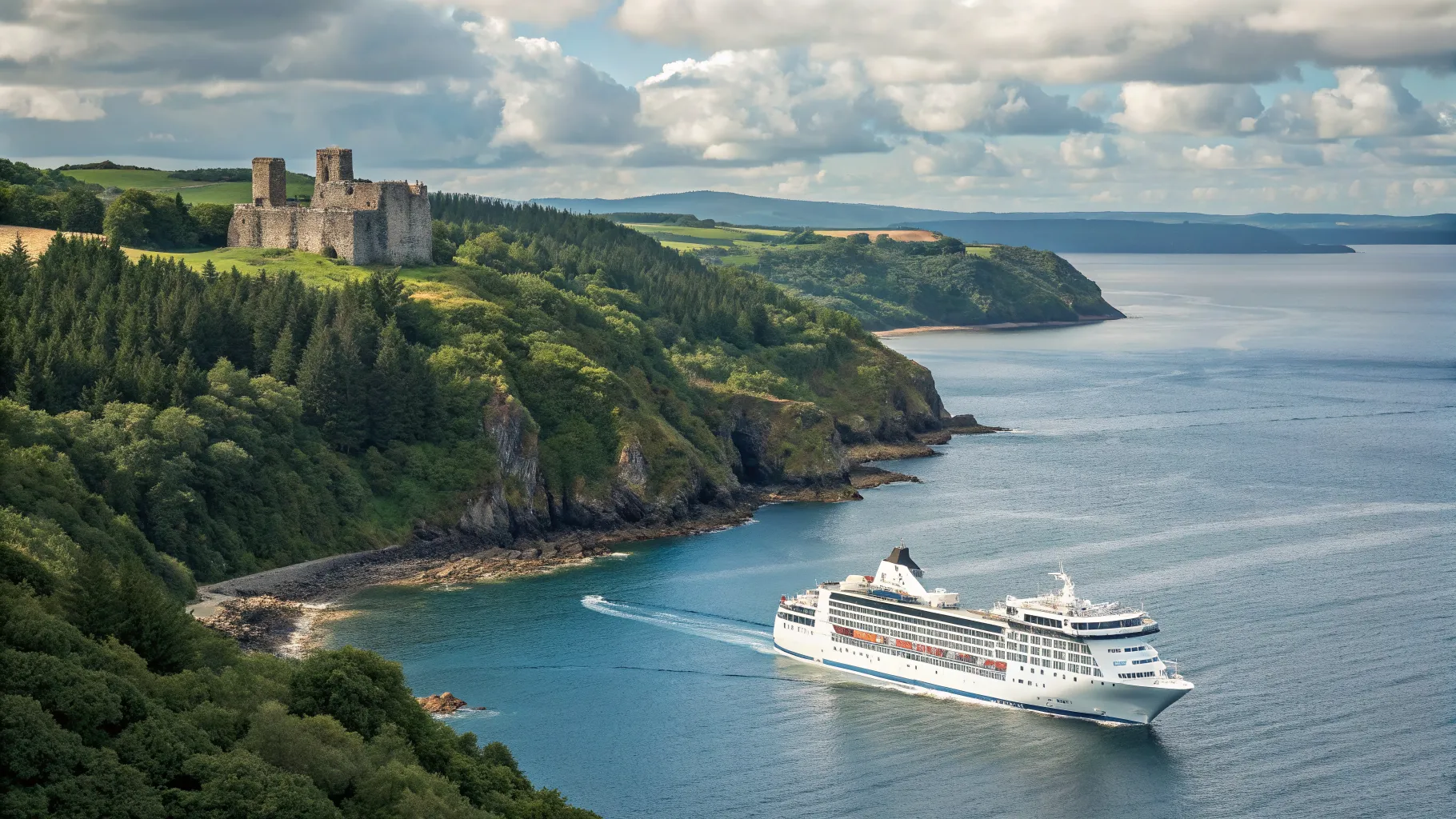
A 10-day England Ireland Scotland cruise is often considered the sweet spot for a British Isles vacation. This duration allows ships to cover significant geographical ground while providing passengers enough time to soak in the distinct atmosphere of each nation. Travelers can expect a fast-paced yet rewarding adventure that highlights capital cities, remote islands, and scenic coastlines.
Most cruise itineraries of this length will include one or two sea days. These days are essential for navigating the longer stretches, such as crossing the Irish Sea or sailing around the northern tip of Scotland. Sea days also offer a necessary respite from the busy schedule of daily shore excursions, giving you time to enjoy the onboard amenities and recharge for the next destination.
Common Ports of Call in England
England often serves as the starting and ending point for these voyages, with major cruise terminals located in Southampton, Dover, or near London. Beyond embarkation, the English coast features several fascinating stops that offer deep dives into maritime history, legendary music, and striking architecture.
- Liverpool: Famous for its musical heritage and historic waterfront, this port allows easy access to museums and cultural landmarks.
- Southampton: A primary hub that also offers proximity to Stonehenge and the beautiful New Forest area.
- Newcastle upon Tyne: Located in the northeast, offering striking bridges, contemporary art, and access to Roman ruins.
Exploring the Charm of Ireland
Ireland is a staple on any comprehensive cruise guide for the British Isles. Ports of call here generally include a mix of the Republic of Ireland and Northern Ireland. Dublin is a favorite stop, where visitors can explore Trinity College, historic castles, and lively streets filled with traditional music. The docking facilities are relatively close to the city center, making independent exploration straightforward.
Belfast in Northern Ireland is another frequent stop, renowned for its Titanic history and proximity to the Giant's Causeway. Southern ports like Cobh, near Cork, provide access to the famous Blarney Castle and the picturesque southern countryside. Each Irish port offers a distinct flavor, blending deeply rooted traditions with warm hospitality.
Discovering the Beauty of Scotland
Scotland often provides some of the most visually stunning moments of the journey. A standard cruise itinerary will typically include stops in both the Lowlands and the Highlands. The port of South Queensferry or Leith grants access to Edinburgh, where travelers can walk the Royal Mile and visit the iconic Edinburgh Castle perched on an extinct volcano.
Further north, ports like Invergordon act as gateways to the Scottish Highlands, Loch Ness, and historic battlefields. Some ships also navigate to the remote Orkney Islands, docking in Kirkwall to reveal Neolithic villages and dramatic stone circles. The Scottish legs of these cruises are heavily focused on natural beauty, wildlife, and ancient history.
Navigating the Weather and Best Times to Sail
The British Isles are known for their unpredictable maritime climate. Even in the middle of summer, travelers can experience bright sunshine, heavy rain, and chilly winds all in the same afternoon. The primary cruising season runs from May through September when the days are longest and the temperatures are at their most mild.
June, July, and August are generally the warmest months, though they are also the most crowded. May and September offer slightly cooler temperatures but often feature fewer crowds at major tourist sites. Regardless of the month, anyone looking into travel cruise options for this region must be prepared for rapidly changing weather conditions.
Packing Essentials for a British Isles Cruise
Because the weather is so varied, packing for a 10-day England, Ireland, and Scotland cruise requires a strategic approach. Layering is the most effective way to stay comfortable during shore excursions, allowing you to add or remove clothing as the temperature fluctuates throughout the day.
- Waterproof jacket: A lightweight, breathable rain jacket is essential for sudden showers.
- Comfortable walking shoes: Many historic sites feature cobblestone streets or uneven terrain.
- Fleece or warm sweater: Crucial for breezy days on the ship deck or cooler days in the Scottish Highlands.
- Daypack: Useful for carrying water, cameras, and extra layers during full-day excursions.
Choosing the Right Cruise Line for Your Travel Style
The market offers a wide variety of travel cruise options navigating the British Isles. Large resort-style ships provide extensive dining choices, elaborate entertainment, and family-friendly activities. These vessels are ideal for multi-generational groups or those who view the ship itself as a primary destination.
Conversely, smaller luxury or expedition ships focus heavily on the destination experience. These vessels can often navigate into smaller ports that larger ships cannot reach, providing a more intimate look at coastal villages. By understanding the differences in ship size and onboard atmosphere, travelers can select a 10-day itinerary that perfectly matches their personal preferences.