Exploring the British Isles by Sea: A Comprehensive Cruise Guide
A British Isles cruise offers a remarkable vantage point for exploring the interconnected histories, diverse cultures, and stunning landscapes of England, Ireland, and Scotland.
The Appeal of a British Isles Cruise
Embarking on a journey around the British Isles allows travelers to experience multiple distinct cultures without the hassle of continuous packing and unpacking. Instead of navigating complex train schedules or driving on unfamiliar roads, passengers can wake up in a new port almost every day. This mode of travel provides a seamless transition between the bustling streets of major capitals and the quiet shores of remote fishing villages.
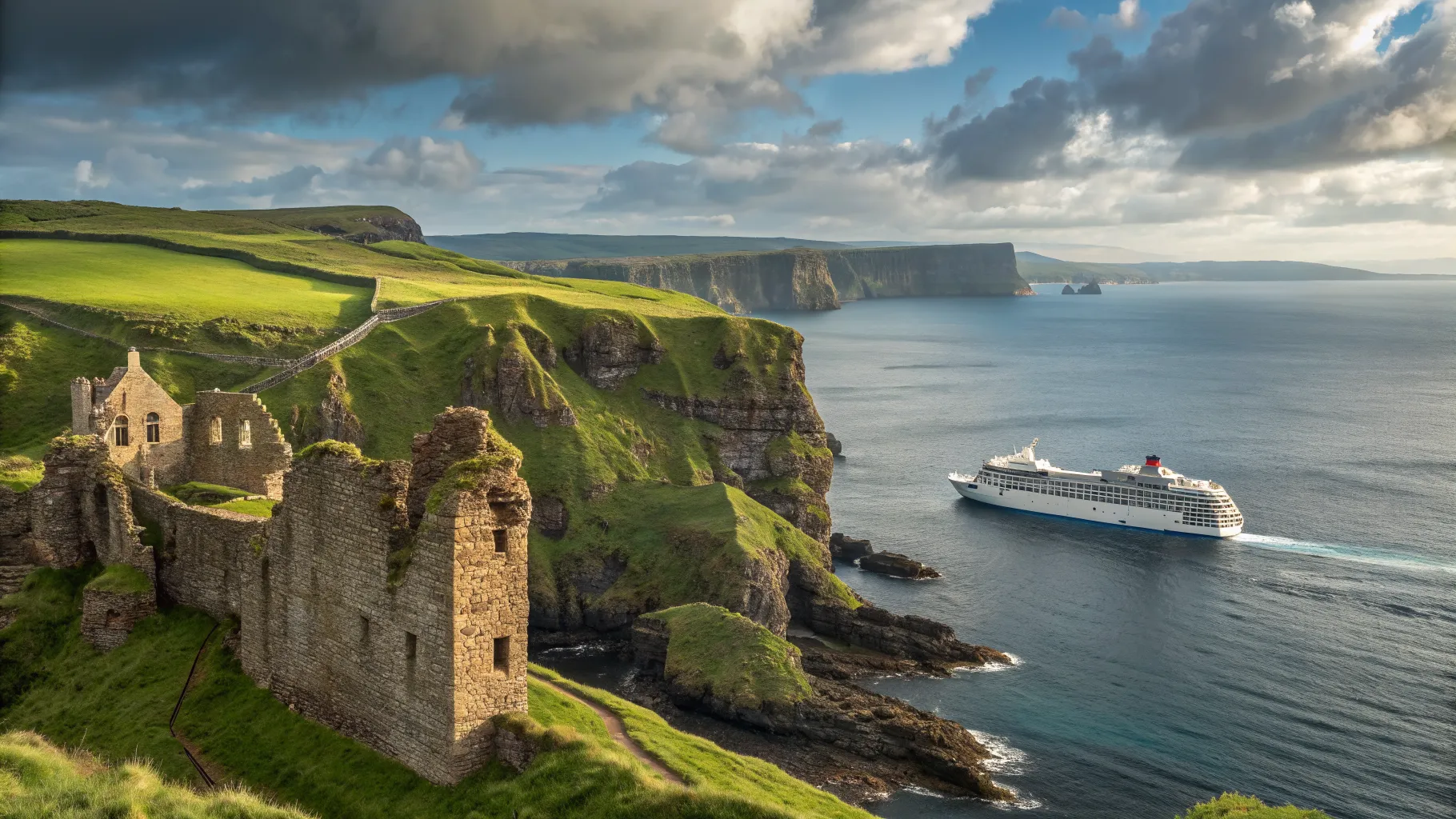
The coastline of these nations is exceptionally varied, featuring towering chalk cliffs, deep lochs, and rolling green hills. Seeing these landscapes from the deck of a ship provides a perspective that land-based travel simply cannot match. A well-planned travel cruise options menu often includes scenic cruising days where the ship navigates close to spectacular natural landmarks.
Standard Cruise Itinerary Options
Most British Isles cruises operate as circular routes, frequently departing from major southern English ports like Southampton or Dover. These voyages typically last anywhere from ten to fourteen days, allowing enough time to circumnavigate the islands comprehensively. Depending on the cruise guide or operator, the direction of travel might go clockwise up the Irish Sea or counterclockwise up the North Sea.
- Southern England: Stops often include Portland for the Jurassic Coast or Falmouth in Cornwall.
- Ireland and Northern Ireland: Frequent ports of call are Dublin, Cork, and Belfast.
- Scotland: Itineraries usually feature Greenock for Glasgow, South Queensferry for Edinburgh, and Invergordon for the Highlands.
- Northern Islands: Many routes extend to the remote Orkney or Shetland archipelagos.
Navigating the Ports of England
England offers a rich tapestry of maritime history, and its ports reflect centuries of seafaring tradition. In the south, coastal stops allow visitors to explore ancient Roman baths, historic castles, and dramatic coastal rock formations. Ships docking in Liverpool provide access to the vibrant cultural legacy of the northwest, including rich musical history and maritime museums.
On the eastern coast, stops near Newcastle upon Tyne give passengers a gateway to Hadrian's Wall and the rugged beauty of Northumberland. Each English port serves as a distinct chapter in the broader story of the British Isles, offering immediate access to regional cuisines, local dialects, and unique architectural styles.
Discovering Scotland from the Coast
Scotland is frequently cited as a highlight on any British Isles cruise itinerary due to its dramatic coastal topography. When ships sail into the Firth of Forth, passengers are treated to views of iconic bridges before disembarking to explore the historic royal mile and castle of Edinburgh. On the western side, docking near Glasgow opens up opportunities to visit the serene shores of Loch Lomond and the surrounding Trossachs National Park.
Further north, the Scottish Highlands present a wilder, more untamed landscape. Ports like Invergordon are gateways to legendary locations such as Loch Ness and ancient battlefields. For many travelers, reaching the remote northern isles like Orkney reveals remarkable neolithic sites, including standing stones and ancient villages that predate the Egyptian pyramids.
Exploring the Charm of Ireland
The island of Ireland is split into two distinct jurisdictions, and most comprehensive cruises will visit both the Republic of Ireland and Northern Ireland. In the south, the port of Cobh is steeped in emigration history and serves as the entry point for excursions to the city of Cork and the famous Blarney Castle. Dublin, the bustling capital, offers deep literary history, lively pub culture, and historic universities right near the port.
Heading north to Belfast, the atmosphere shifts to a city that has undergone significant revitalization while honoring its industrial past. Belfast is famously the birthplace of the Titanic, and the city's maritime quarters offer expansive museum experiences. Just up the coast from Belfast lies the Giant's Causeway, a fascinating geological formation of interlocking basalt columns that is a staple of regional excursions.
Weather and Best Times to Sail
The maritime climate of the British Isles is famously unpredictable, characterized by rapid changes in weather regardless of the season. To ensure the most comfortable sailing experience, the cruise season for this region runs predominantly from May through September. During these late spring and summer months, the days are at their longest, providing ample daylight for extended shore excursions and scenic evening cruising.
Even in the height of summer, temperatures remain relatively mild compared to Mediterranean or Caribbean destinations. Passengers should expect intermittent rain showers and breezy conditions, particularly when sailing through the northern stretches of the North Sea or rounding the top of Scotland. Planning around this temperate climate is essential for maximizing comfort during the voyage.
What to Pack for Your Journey
Packing for a British Isles cruise requires a highly adaptable wardrobe focused on layering. Since a single day can bring brilliant sunshine followed by chilly coastal winds and rain, travelers are advised to bring breathable base layers, insulating mid-layers, and a reliable waterproof outer shell. Heavy winter coats are generally unnecessary during the summer, but a warm fleece or light down jacket is highly recommended.
Footwear is another crucial consideration for this type of itinerary. Many ports feature cobblestone streets, while excursions into the Scottish Highlands or along the Irish coast involve walking on uneven, muddy terrain. Comfortable, water-resistant walking shoes or light hiking boots are essential for safely and comfortably navigating the varied environments encountered throughout the trip.