10 Foods that Boost Bone Health: A Complete Nutritional Guide
Maintaining strong bones is a lifelong process that requires a combination of good lifestyle habits and proper nutrition.
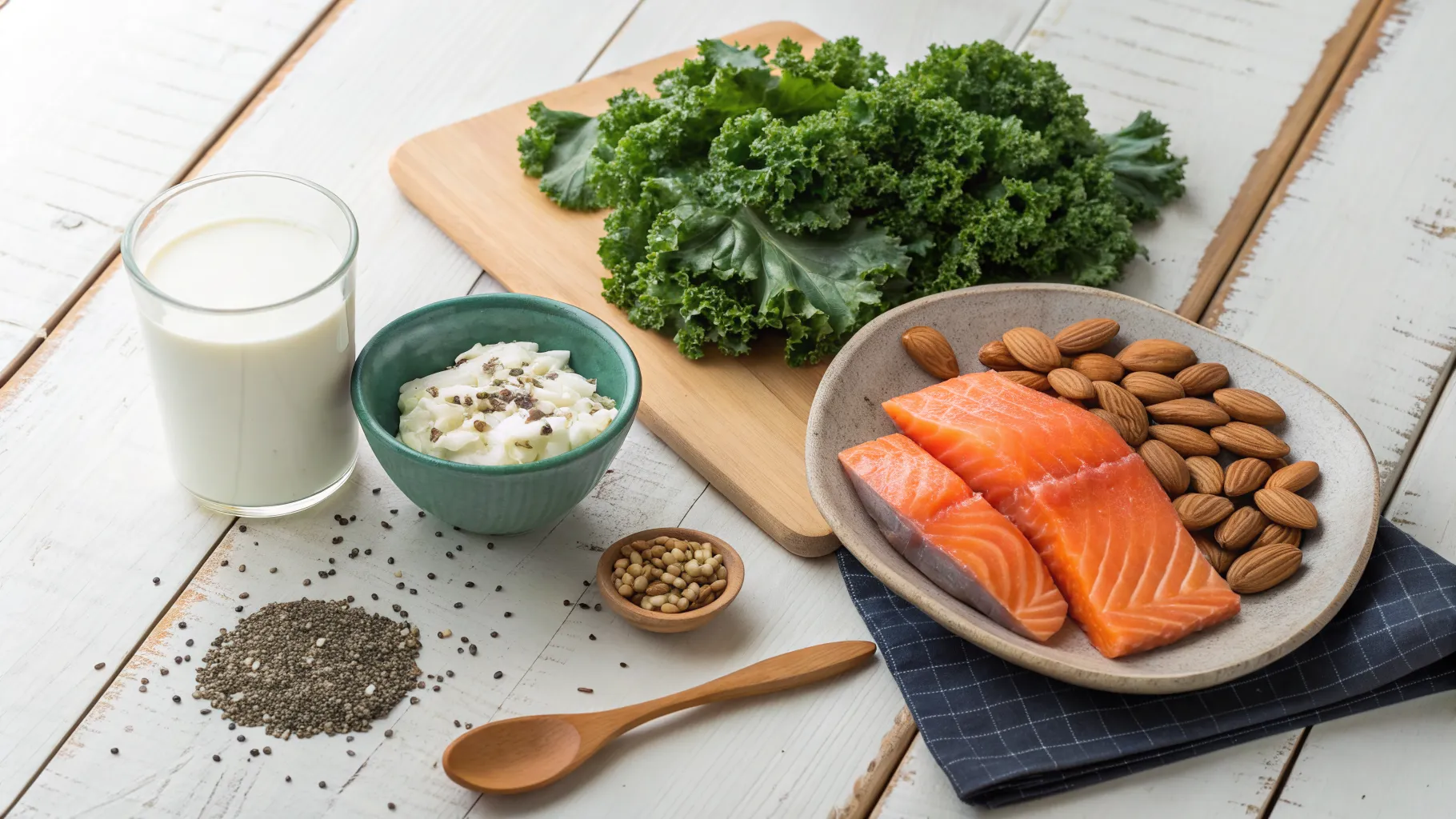
Understanding Bone Health and Why It Matters
Bones provide structure, protect organs, anchor muscles, and store calcium. While childhood and adolescence are critical times for building bone mass, adults must also take steps to protect their skeletal health. The symptoms and causes of bone density loss can vary greatly. Common causes include aging, hormonal changes, and a lack of physical activity. Symptoms of poor bone health often remain hidden until a fracture occurs, making proactive dietary choices essential.
When looking at health information regarding bone density, calcium and vitamin D are frequently mentioned. However, a comprehensive foods that support bone health guide will also highlight the importance of magnesium, potassium, vitamin K, and protein. Incorporating a variety of nutrient-dense foods into daily meals is one of the most effective ways to support skeletal strength over time.
Dairy Products for Calcium and Protein
1. Milk is widely recognized as a foundational food for skeletal strength. A single cup of cow milk provides a significant portion of the recommended daily calcium intake, along with protein and often added vitamin D. These nutrients work together to build and repair bone tissue throughout life. For those who can tolerate dairy, milk remains a highly accessible option for maintaining mineral density.
2. Yogurt offers similar benefits to milk but comes with the added advantage of probiotics. The fermentation process in yogurt can sometimes make it easier to digest for individuals with mild lactose sensitivities. Greek yogurt, in particular, delivers a high concentration of protein, which is necessary for maintaining the structural matrix of bones. Choosing plain, unsweetened varieties is a good way to avoid excess added sugars.
Leafy Greens Rich in Vitamin K
3. Kale is a nutritional powerhouse that provides an excellent plant-based source of calcium. Beyond calcium, kale is incredibly rich in vitamin K, a nutrient that plays a crucial role in bone metabolism. Vitamin K helps attract calcium to the bone, reducing the risk of it depositing in the arteries. Including raw or lightly cooked kale in salads and soups is an easy way to boost daily nutrient intake.
4. Spinach is another dark leafy green that frequently appears in discussions about foods that support bone health. It is packed with vitamins and minerals, including magnesium and iron. It is important to note that spinach contains oxalates, which can bind to calcium and slightly reduce its absorption. Eating spinach alongside other calcium-rich foods or lightly cooking it can help mitigate this effect while still providing excellent nutritional value.
Fatty Fish for Vitamin D and Omega-3s
5. Salmon is a top-tier protein source that also delivers substantial amounts of vitamin D and omega-3 fatty acids. Vitamin D is absolutely necessary for the body to absorb calcium effectively from the digestive tract. The omega-3 fatty acids found in salmon are known to reduce inflammation, which can indirectly protect against bone loss associated with aging.
6. Sardines might be small, but they pack an enormous nutritional punch. Because they are typically consumed with their soft bones intact, sardines provide a direct and highly bioavailable source of calcium and phosphorus. They are also rich in vitamin D, making them a complete package for skeletal maintenance. Canned sardines are convenient and can be easily added to salads, pastas, or whole-grain crackers.
Nuts and Seeds for Magnesium and Phosphorus
7. Almonds are an excellent snack for those looking to support their skeletal system. They are loaded with magnesium, a mineral that helps convert vitamin D into its active form, which in turn promotes calcium absorption. Additionally, almonds provide a modest amount of calcium and a healthy dose of protein. Eating a handful of unsalted almonds daily is a simple habit with long-term benefits.
8. Chia seeds are tiny but extraordinarily dense in essential minerals. A single serving contains significant amounts of calcium, magnesium, and phosphorus. Phosphorus works closely with calcium to build strong bones and teeth. Chia seeds are highly versatile and can be stirred into oatmeal, blended into smoothies, or soaked in milk to create a nutritious pudding.
Fortified Foods and Plant-Based Alternatives
9. Fortified tofu is an outstanding option for individuals following a vegetarian or vegan diet. When tofu is set with calcium sulfate, it becomes an incredibly rich source of calcium. Tofu also provides high-quality plant protein and is naturally low in saturated fat. Its ability to absorb flavors makes it a highly adaptable ingredient for stir-fries, curries, and baked dishes.
10. Fortified orange juice offers a convenient alternative for people who do not consume dairy or have difficulty absorbing nutrients from solid foods. Many brands of orange juice are fortified with both calcium and vitamin D, mirroring the nutrient profile of milk. While fruit juice contains natural sugars and should be consumed in moderation, a small daily glass can significantly contribute to an individual overall micronutrient requirements.
What to Know About Dietary Inhibitors
While focusing on foods that support bone health is vital, it is equally important to understand what to avoid. Certain dietary habits can actively strip calcium from the bones or prevent its absorption. Being aware of these inhibitors is a key part of any comprehensive health information strategy.
- High sodium intake can cause the kidneys to excrete excess calcium, potentially weakening bones over time.
- Excessive caffeine consumption may slightly decrease calcium absorption, though this is usually only a concern if overall calcium intake is low.
- Heavy alcohol consumption interferes with the balance of calcium and the production of hormones that have a protective effect on bones.