A Senior's Guide to All-Inclusive Cruises Around Australia
An all-inclusive cruise around Australia offers a fantastic way to see the country's diverse landscapes without the hassle of constant packing and unpacking. For seniors, this mode of travel combines comfort, convenience, and adventure. Understanding what these cruises entail, from the routes they take to the onboard experience, is the first step in planning a remarkable coastal exploration.
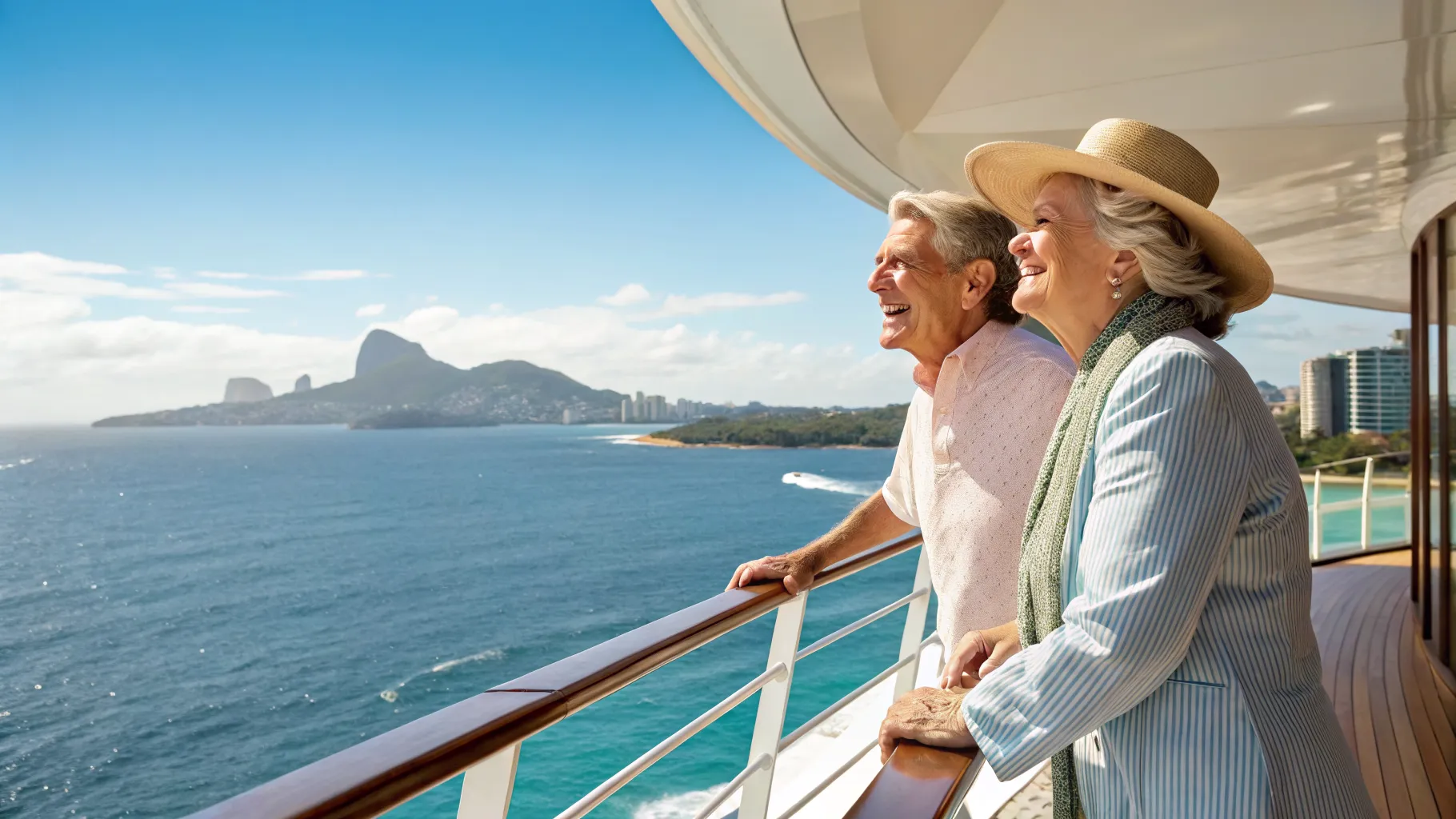
What 'All-Inclusive' Really Means on a Cruise
The term 'all-inclusive' can vary significantly between cruise lines, so it's vital to understand what your fare covers. Generally, an all-inclusive package will cover your accommodation, meals in main dining rooms and buffets, a selection of beverages (sometimes including alcoholic drinks), and access to most onboard entertainment and activities like pools and fitness centers. This structure allows for easier budgeting and a more relaxed vacation experience.
However, it's equally important to be aware of potential extra costs. Items not typically covered include premium alcoholic beverages, specialty dining restaurants, shore excursions, spa treatments, laundry services, and gratuities for the crew. Always review the specific terms of your chosen cruise line to avoid surprises. Some luxury lines offer a more comprehensive all-inclusive experience that may cover flights, excursions, and even gratuities.
Popular Itineraries for Coastal Australia Cruises
Australia's vast coastline provides a wealth of itinerary options, each showcasing a different facet of the continent's beauty. One popular route explores the tropical north, often called the 'Top End.' These cruises might visit Darwin, the rugged Kimberley region with its stunning gorges and waterfalls, and parts of the Great Barrier Reef. This region is best explored during the dry season, typically from May to October.
Other common itineraries focus on the eastern seaboard, connecting major cities like Sydney, Brisbane, and Melbourne with coastal towns and islands. A southern loop might include the scenic coast of Victoria, the pristine wilderness of Tasmania, and the food and wine regions of South Australia. For the ultimate adventure, a full circumnavigation of the continent is an option, a grand voyage that can take over a month to complete and offers a comprehensive look at Australia's diverse shores.
Choosing a Cruise Line Suited for Seniors
The cruise line you choose will have a significant impact on your onboard experience. Some lines are known for a classic, traditional cruising atmosphere with formal nights and ballroom dancing, which many mature travelers enjoy. Others focus on enrichment, offering lectures from experts in history, geology, and wildlife, providing a deeper connection to the destinations visited. Look for lines that prioritize comfort and a relaxed pace over high-energy activities.
Smaller ships can offer a more intimate and accessible experience, navigating into smaller ports that larger vessels cannot reach. They often foster a greater sense of community among passengers. Conversely, larger ships provide a wider array of dining, entertainment, and amenity options. Consider what is most important for your travel style: a bustling, resort-like atmosphere or a quieter, more personal journey.
Onboard Amenities and Activities for Mature Travelers
Modern cruise ships are floating resorts with amenities designed to cater to a wide range of interests. For seniors, features like a well-stocked library, comfortable lounges for socializing or reading, and dedicated card rooms are often appreciated. Wellness is also a major focus, with many ships boasting extensive spa facilities, hydrotherapy pools, and fitness classes tailored to various mobility levels, such as yoga or water aerobics.
Enrichment programs are a highlight for many. These can include everything from cooking demonstrations and wine-tasting seminars to guest lectures and art classes. Evening entertainment is diverse, ranging from full-scale musical productions and live bands to classical music recitals and movie screenings under the stars. There is typically something to suit every taste and energy level.
Health, Safety, and Accessibility on the High Seas
Health and accessibility are paramount considerations for senior travelers. All major cruise ships are equipped with a medical center staffed by a doctor and nurses to handle common ailments and emergencies. It is crucial to travel with comprehensive travel insurance that includes medical evacuation coverage, especially when cruising in remote areas like the Kimberley.
For those with mobility challenges, modern cruise lines are generally well-equipped. It is advisable to inquire about accessibility features before booking. Key things to look for include the availability of accessible cabins with wider doorways and roll-in showers, ramps to access most public areas, and designated seating in theaters. It's also wise to inform the cruise line of any dietary restrictions in advance so the culinary team can accommodate your needs.
Tips for Planning Your Australian Cruise
Proper planning can make your cruise experience seamless and enjoyable. Booking well in advance often secures the best choice of cabins and can sometimes result in early-booking discounts. Conversely, last-minute deals can appear, but cabin selection may be limited. Traveling during the 'shoulder seasons' (the months just before and after peak season) can offer pleasant weather with fewer crowds and potentially lower prices.
Before you commit, it is helpful to consider the following points:
- Pacing: Look at the itinerary to see how many 'at sea' days there are versus port days. A more relaxed pace with plenty of sea days might be preferable.
- Shore Excursions: Review the available shore excursions for each port. They are often rated by activity level, allowing you to choose tours that match your mobility and interests.
- Packing: Australia's climate varies dramatically by region. Pack layers, comfortable walking shoes, sun protection, and any necessary medications.
- Documentation: Ensure your passport and any required visas are up to date. While cruising domestic waters, photo identification is still necessary.