A Beginner's Guide to Finding the Right Sewing Class
Learning to sew is a rewarding skill that unlocks a world of creativity, from making your own clothes to crafting unique home decor. For many beginners, the idea of threading a needle or operating a machine can feel intimidating. Fortunately, sewing classes offer a structured and supportive environment to build a solid foundation. This guide will walk you through everything you need to know about starting your sewing journey with a class.
What to Expect in a Beginner Sewing Class
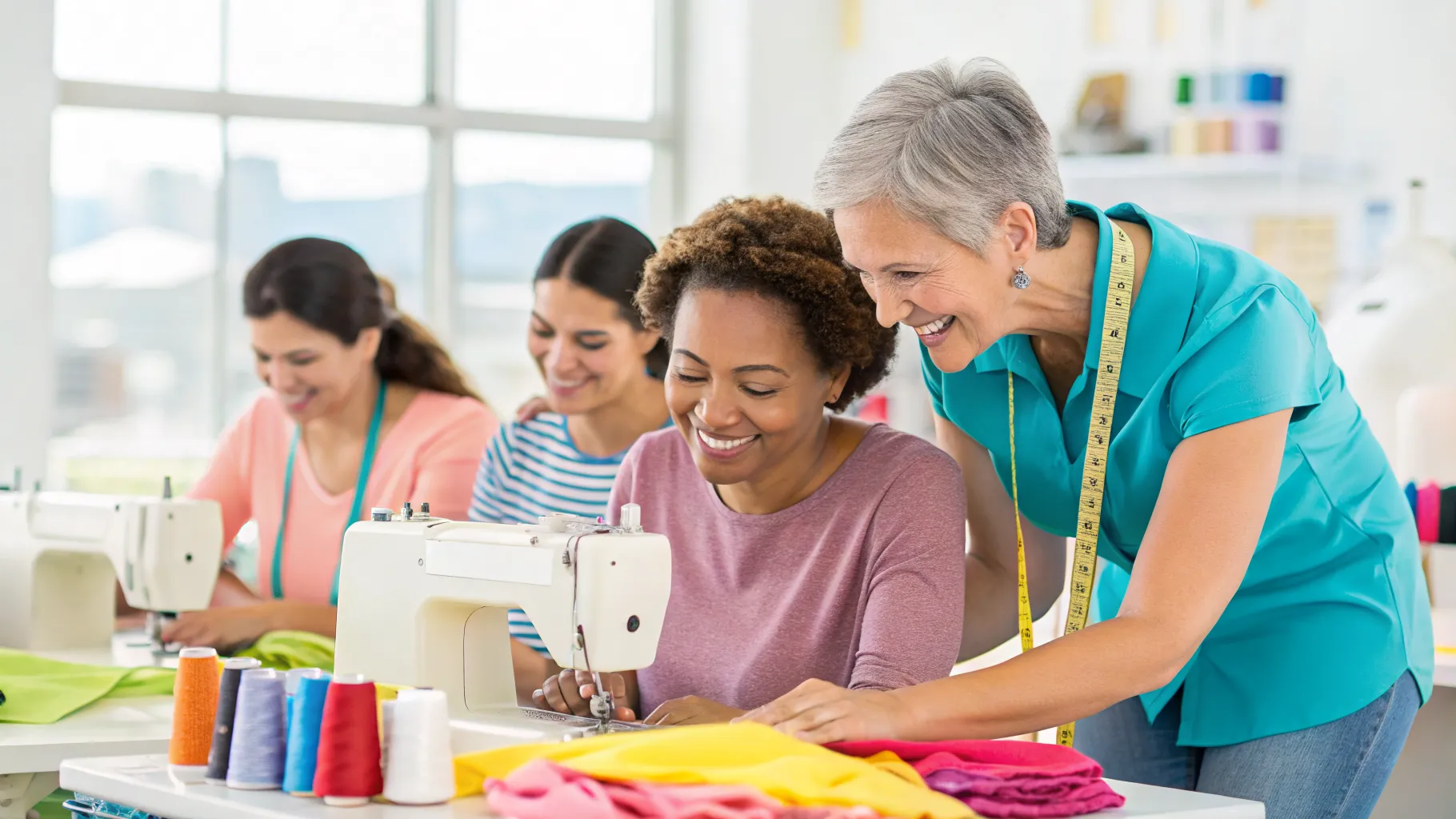
Your first sewing class is designed to be welcoming and accessible, even if you've never touched a sewing machine before. The instructor will typically start with an introduction to the machine itself, explaining its essential parts like the needle, presser foot, bobbin, and stitch selection dials. You'll learn fundamental skills such as how to thread the machine, wind a bobbin, and sew straight lines on scrap fabric.
Once you're comfortable with the basics, most beginner classes move on to a simple, tangible project. This allows you to apply your new skills immediately and leave with a finished item. Common first projects include a tote bag, a pillowcase, or a simple pair of pajama pants. The instructor will guide you step-by-step through reading a pattern, cutting fabric, and constructing the item, ensuring you build confidence along the way.
Types of Sewing Classes Available
Sewing education isn't one-size-fits-all. There are various formats to suit different schedules, learning styles, and interests. Understanding the options can help you find the best fit for your personal goals and availability.
- Multi-Week Courses: These are comprehensive classes that meet once or twice a week for several weeks. They offer a deep dive into sewing fundamentals and progressively build your skills from week to week.
- One-Day Workshops: Perfect for those with busy schedules, these intensive sessions focus on completing a single project in a few hours. They are a great way to try sewing without a long-term commitment.
- Specialty Classes: Once you have the basics down, you might explore classes focused on specific areas like quilting, garment making, upholstery, or pattern drafting.
- Private Lessons: For personalized attention, one-on-one instruction allows you to learn at your own pace and focus on specific projects or techniques you're interested in.
- Online Courses: Offering flexibility and convenience, online classes provide video tutorials and digital resources that you can access from home anytime.
Where to Find Sewing Classes
Sewing classes are offered in a variety of venues, making them accessible in most communities. A great place to start your search is at local fabric and craft stores. These shops often have dedicated classroom spaces and offer a range of courses taught by experienced staff or local artisans. They are also a convenient place to purchase any required supplies.
You can also check with your local community center, as many offer affordable arts and crafts programs for residents. Dedicated sewing studios and maker spaces are another excellent resource, providing a creative community and access to high-quality equipment. Finally, community colleges and vocational schools sometimes include sewing or fashion design in their continuing education catalogs, which can offer a more formal learning structure.
Choosing the Right Class for You
With so many options, selecting the right class requires a bit of thought. First, honestly assess your current skill level. If you are a true beginner, look for a class explicitly labeled as 'Introductory' or 'Beginner Level.' Reading the class description carefully will tell you what skills are covered and if any prior experience is expected.
Consider the class size and teaching style. Smaller classes offer more individual attention from the instructor, which can be invaluable when you're just starting out. Look up reviews of the instructor or studio if possible. Also, consider the cost and what is included. Some classes provide all materials and use of a machine, while others may require you to purchase your own supplies, so be sure to factor that into your budget.
Essential Supplies for Your First Class
Many beginner classes, especially workshops, will provide everything you need, including the use of a sewing machine. However, it's always best to confirm this when you register. If you are required to bring your own supplies, the class description will provide a specific list. Even if supplies are provided, some students prefer to start building their own personal sewing kit.
A basic sewing kit for a beginner might include:
- Fabric Shears: A good pair of scissors dedicated only to cutting fabric.
- Thread Snips: Small scissors for trimming threads.
- Seam Ripper: An essential tool for undoing mistakes.
- Pins and a Pincushion: For holding fabric pieces together before sewing.
- Measuring Tape: A flexible tape for taking body measurements.
- Assorted Thread: A small collection of basic colors like black, white, and grey.
Benefits of Taking a Sewing Class
The most obvious benefit of a sewing class is learning a new, practical skill. Beyond that, taking a class provides access to an expert instructor who can offer immediate feedback, troubleshoot problems, and teach you techniques you might not discover on your own. This guided learning process can help you avoid common frustrations and build a strong, correct foundation from the start.
Furthermore, sewing classes offer a wonderful sense of community. You get to connect with other creative individuals who share your interest, creating a supportive and inspiring environment. This social aspect can make learning more enjoyable and keep you motivated. Completing projects also provides a great sense of accomplishment and can be a fantastic outlet for stress and a boost to your overall well-being.