A Complete Guide to Buying Used Caravans and Motorhomes
Entering the world of caravans and motorhomes can be an exciting journey, offering unparalleled freedom to explore. Buying a used model is a fantastic way to make this lifestyle more accessible, but it requires careful consideration to ensure you make a sound investment. This guide walks you through the essential steps, from choosing the right type of vehicle to performing critical checks before you buy.
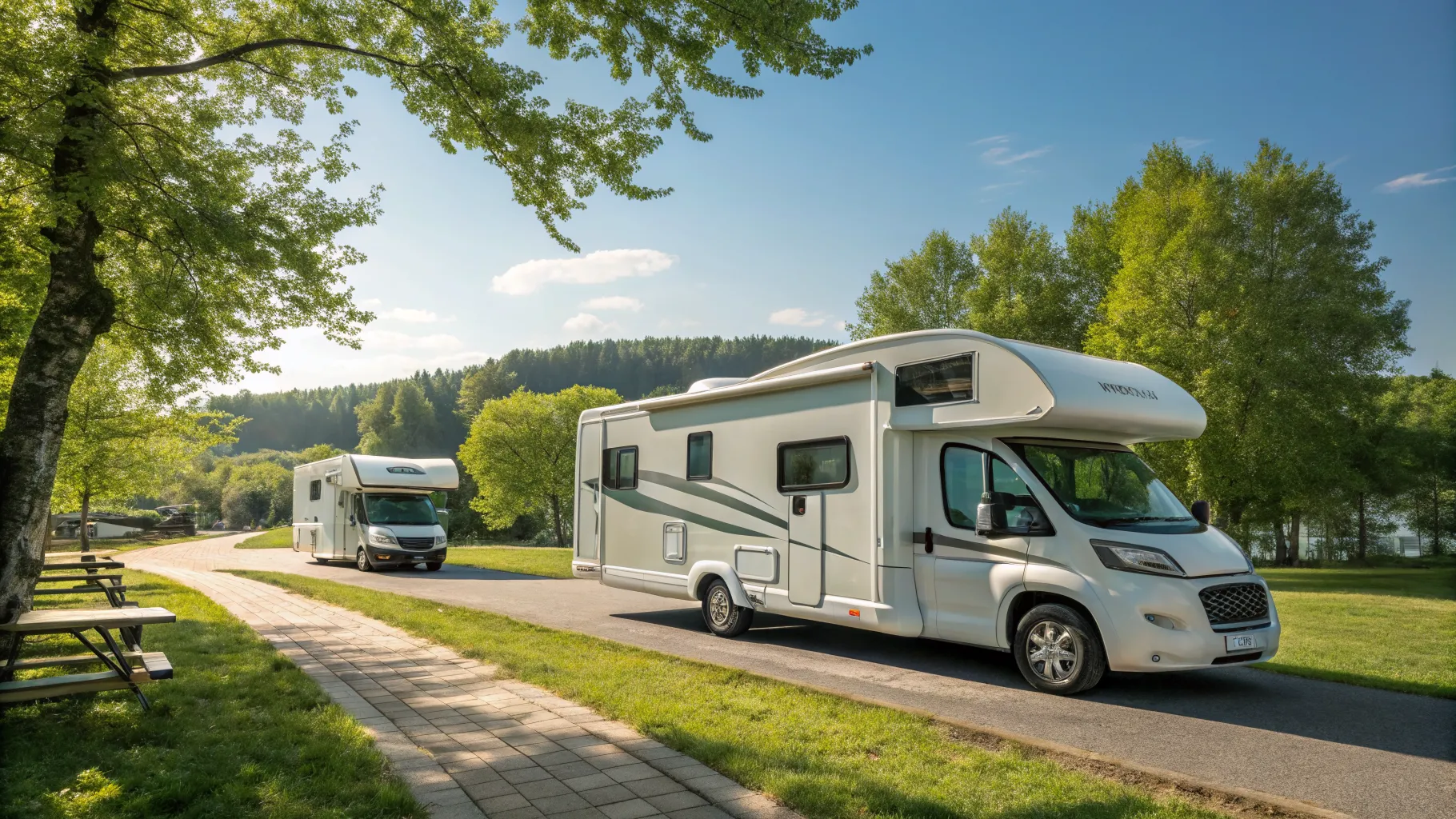
Caravans vs. Motorhomes: What's Right for You?
The first decision is choosing between a caravan (a trailer you tow) and a motorhome (an all-in-one vehicle). A caravan, or travel trailer, is towed by your car, which you can then unhitch and use for day trips once you've set up camp. This makes exploring local areas from your base very convenient. Caravans are often more affordable upfront and offer a wide variety of layouts and sizes.
A motorhome, on the other hand, combines your transport and living quarters into a single unit. This offers greater convenience while traveling, as you can simply park and be ready to relax. They are easier to maneuver and park in many situations than a car and caravan combination. Consider how you plan to travel; if you enjoy setting up a base for a week, a caravan might be ideal. If you prefer to move from place to place frequently, a motorhome could be the better choice.
Where to Find Used Vehicles
There are several avenues for finding a used caravan or motorhome, each with its own benefits and drawbacks. Private sellers often offer the lowest prices, as there is no middleman. You can find these listings on online marketplaces, in local classifieds, and through community forums. However, this route offers the least protection, as sales are typically 'as is', putting the responsibility for all checks on you.
Specialized dealerships are another popular option. They usually have a wide selection of vehicles that have often been inspected, serviced, and cleaned. A dealer may offer a limited warranty, which can provide peace of mind for new owners. While the prices will be higher than private sales, the added security and support can be well worth it. Auctions and brokerage services also exist, but these are often best suited for more experienced buyers who know exactly what to look for.
Essential Pre-Purchase Checks
A thorough inspection is the most important part of buying a used caravan or motorhome. Do not rush this process and, if possible, bring along someone with experience. A methodical approach, checking one area at a time, is the best way to ensure you do not miss anything critical.
Pay close attention to both the interior and exterior condition. Look for signs of damage, past repairs, and general wear and tear. It's also vital to check the age and condition of the tires, including the spare. Inside, test every single appliance and system. This includes:
- All gas appliances like the hob, oven, heater, and water heater.
- The refrigerator, on all its power sources (gas, 12V, and mains).
- All taps, the shower, and the toilet flush to check for water pressure and leaks.
- All interior and exterior lights.
- Electrical sockets and the battery charging system.
The Critical Importance of Checking for Damp
Damp is the single biggest issue that can affect a caravan or motorhome, leading to costly structural repairs. It is caused by water getting in through failing seals around windows, doors, rooflights, or external joints. The internal wooden framework can rot away silently, causing catastrophic damage before it becomes obvious.
Your primary tool for a damp check is your nose; a musty smell is a major red flag. Look for any staining, discoloration, or pimpling on the interior wallboards. Press firmly around windows, in corners, and inside roof lockers. Any soft or spongy feeling is a definite sign of damp. For a more thorough check, consider investing in a damp meter, a small handheld device that gives a reading of the moisture content in the walls.
Evaluating Layouts and Livability
The internal layout is what turns a vehicle into a home, so it must suit your needs. Spend time inside the vehicle imagining your daily routine. Think about the bed configuration. Fixed beds are convenient but take up a lot of space, while lounge areas that convert into beds are more versatile but require setup every night.
Consider the kitchen area, or galley. Is there enough counter space for meal preparation? Is the storage adequate for your needs? The bathroom, or washroom, is another key area. A 'wet room' combines the toilet, sink, and shower in one fully waterproofed compartment, which saves space. A 'dry room' has a separate, curtained shower cubicle, which many people find more comfortable to use.
Budgeting Beyond the Purchase Price
The initial purchase price is only one part of the total cost of ownership. It's important to budget for ongoing expenses to ensure your new hobby remains enjoyable and affordable. The first major cost is insurance, which is a legal requirement for motorhomes and highly recommended for caravans.
You will also need to factor in annual servicing for both the base vehicle (for a motorhome) and the habitation area (for both). This servicing is crucial for safety and for maintaining the vehicle's value. Other costs include storage if you cannot keep it at home, breakdown cover, gas bottles, and regular maintenance items like new tires and batteries. Setting aside a contingency fund for unexpected repairs is also a very wise idea.