A Guide to Skincare for Eczema-Prone Skin
Living with eczema-prone skin means dealing with cycles of dryness, itchiness, and irritation. While there is no one-size-fits-all solution, a thoughtful and consistent skincare routine can make a significant difference in managing symptoms and strengthening the skin's barrier. The key is to focus on gentle, hydrating products and avoid common irritants that can trigger flare-ups.
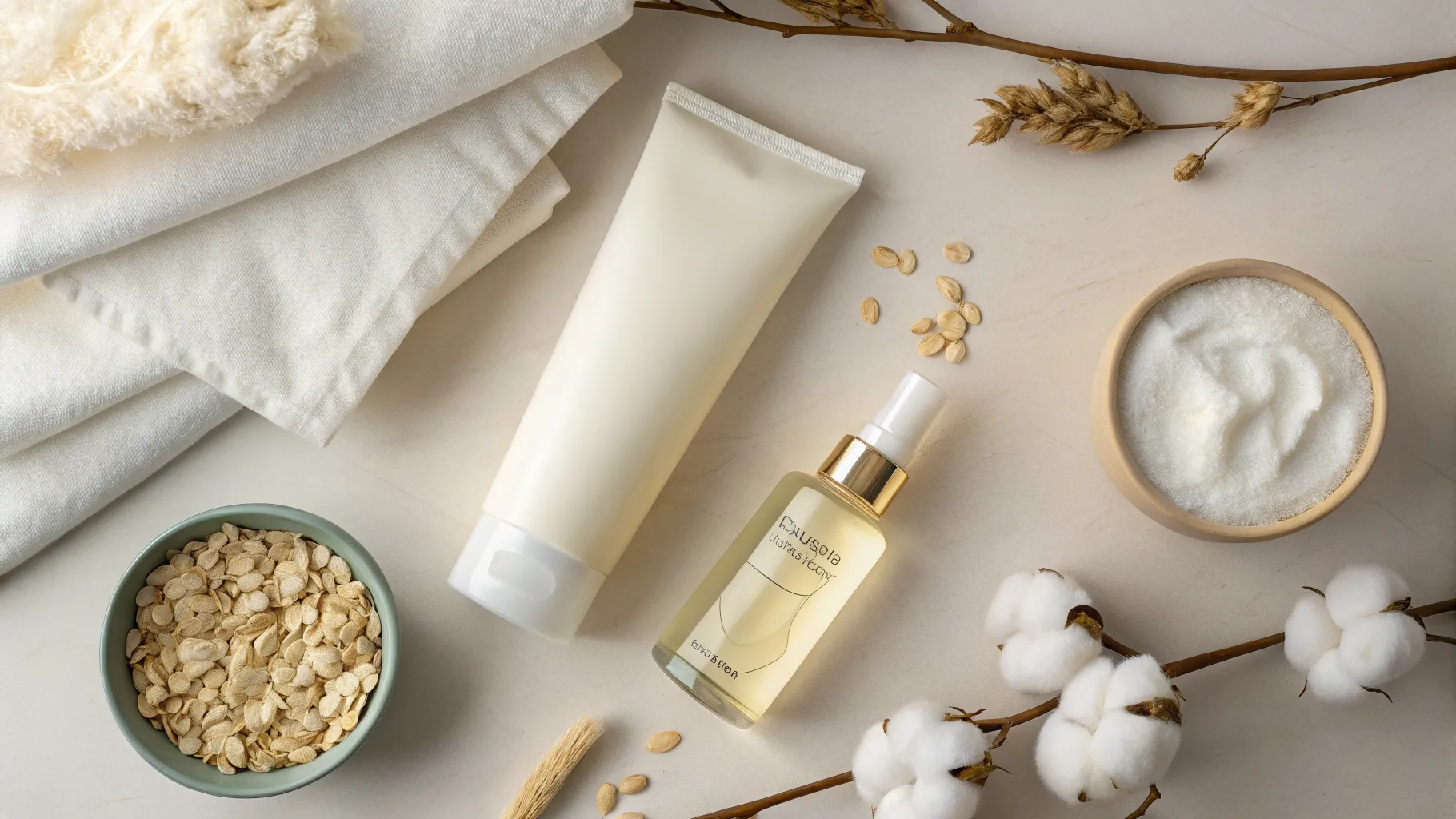
Understanding Eczema-Prone Skin
Eczema, also known as atopic dermatitis, is a condition characterized by a compromised skin barrier. This barrier is the outermost layer of your skin, responsible for keeping moisture in and irritants out. When it's not functioning properly, the skin becomes dry, itchy, and susceptible to inflammation and environmental triggers.
This increased sensitivity means that skincare isn't just about aesthetics; it's about health and comfort. A well-designed routine helps to replenish lost moisture, repair the skin barrier, and reduce the frequency and severity of flare-ups. Consistency is crucial, as the goal is to maintain skin health even during periods of calm to prevent future irritation.
Choosing the Right Cleanser
Cleansing is the foundation of any skincare routine, but for eczema-prone skin, it's vital to choose a product that cleanses without stripping away natural oils. Harsh soaps and cleansers can further damage the skin barrier, leading to increased dryness and irritation. Look for cleansers labeled as gentle, hydrating, or soap-free.
Cream, oil, or gel-based cleansers are often better tolerated than foaming ones, which can contain drying sulfates. Opt for products that are free of fragrance, dyes, and other common irritants. When washing, use lukewarm water instead of hot, and pat your skin dry gently with a soft towel rather than rubbing it.
The Importance of Moisturizing
Moisturizing is arguably the most critical step in caring for eczema-prone skin. Since the skin has difficulty retaining moisture on its own, applying a moisturizer helps to lock in hydration, soothe dryness, and protect the skin barrier from external irritants. It's best to moisturize at least twice a day, and especially after bathing or washing your hands.
The best time to apply moisturizer is within three minutes of bathing, a technique often called 'soak and seal'. This traps the water on your skin, providing maximum hydration. For very dry skin, thicker creams and ointments are generally more effective than lighter lotions because they create a more substantial protective layer.
Key Ingredients to Look For
When reading product labels, certain ingredients stand out for their ability to soothe and repair sensitive, eczema-prone skin. These ingredients work by hydrating, reducing inflammation, and supporting the skin's natural barrier function. Familiarizing yourself with them can help you make more informed choices.
- Ceramides: These are lipids (fats) that are naturally found in the skin and are essential for a healthy skin barrier. Skincare with ceramides helps replenish what is missing.
- Hyaluronic Acid: A powerful humectant that draws moisture from the air and holds it in the skin, providing intense hydration without feeling heavy.
- Glycerin: Another effective humectant that helps the skin retain moisture.
- Colloidal Oatmeal: Known for its soothing and anti-inflammatory properties, it can help calm itching and irritation.
- Niacinamide (Vitamin B3): Helps improve the skin barrier's function, reduce inflammation, and calm redness.
Ingredients and Triggers to Avoid
Just as important as knowing what to look for is knowing what to avoid. Many common skincare ingredients can act as irritants for eczema-prone skin, leading to discomfort and flare-ups. Always check the ingredient list and consider performing a patch test with new products before applying them to large areas.
Be cautious of products containing fragrances, both synthetic and natural (like essential oils), as they are a leading cause of skin reactions. Other potential irritants include sulfates (often found in foaming cleansers), certain types of alcohol that can be drying, and chemical exfoliants like glycolic or salicylic acid, which can be too harsh for a compromised skin barrier. Simple, minimal-ingredient formulas are often the safest bet.
Building a Daily Skincare Routine
A simple, consistent routine is far more effective than an overly complicated one. The goal is to cleanse, hydrate, and protect the skin without causing additional stress. Tailor the products to your skin's needs, which can change depending on the season or the state of your eczema.
A basic daily framework could look like this: In the morning, rinse your face with water or use a very gentle cleanser, apply a moisturizer, and follow with a broad-spectrum mineral sunscreen with an SPF of 30 or higher. Sunscreen is important as sun exposure can be an eczema trigger for some. In the evening, cleanse your skin to remove sunscreen and impurities, then apply a generous layer of a richer moisturizer or ointment to help repair the skin barrier overnight.