A Guide to Recognizing the Symptoms of Heart Valve Disease
Heart valve disease occurs when one or more of the four valves in your heart doesn't function correctly. These valves have flaps that open and close with each heartbeat, ensuring blood flows in the right direction. When they are damaged or diseased, they can disrupt this flow, forcing your heart to work harder. Understanding the symptoms is a key step in recognizing potential issues early.
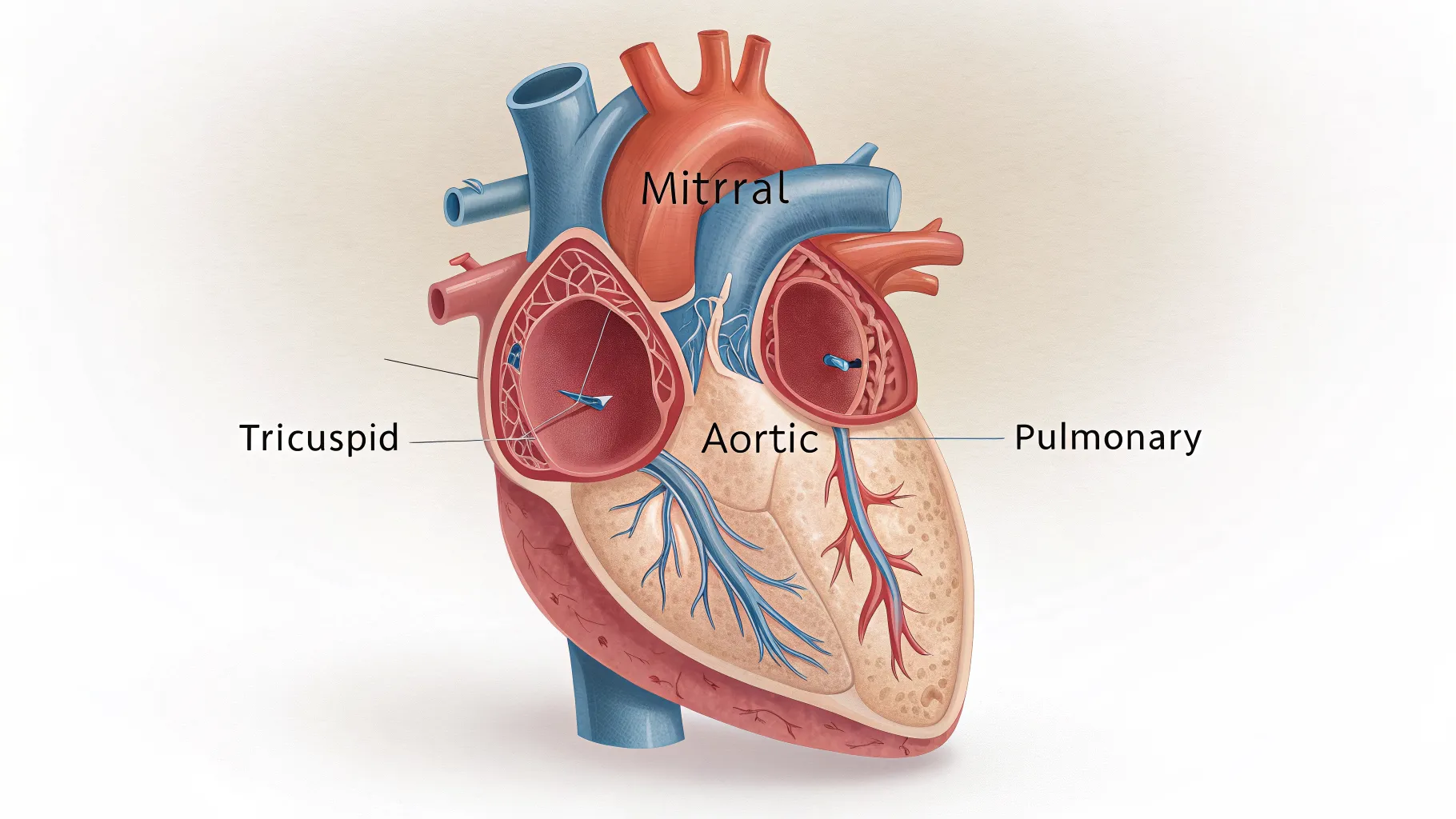
What Is Heart Valve Disease?
The human heart has four valves: the mitral, tricuspid, pulmonary, and aortic valves. Their primary job is to act like one-way doors, keeping blood moving forward through the heart's chambers and out to the rest of the body. Heart valve disease can manifest in two main ways. The first is stenosis, where the valve flaps become stiff or fused, narrowing the valve opening and restricting blood flow. The second is regurgitation (or insufficiency), where the valve flaps do not close properly, allowing blood to leak backward.
Either of these conditions can strain the heart muscle. Over time, this extra work can weaken the heart, leading to more serious complications if left unaddressed. The causes of valve disease are varied and can include congenital defects present from birth, age-related changes, infections like rheumatic fever, or other cardiovascular conditions.
Shortness of Breath and Fatigue
One of the most frequently reported symptoms of heart valve disease is shortness of breath, medically known as dyspnea. You might first notice it during physical activity, like climbing stairs or carrying groceries. As the condition progresses, you may feel breathless even during periods of rest or when lying down flat. This happens because the inefficient blood flow causes blood to back up in the vessels of the lungs, leading to fluid congestion.
Alongside shortness of breath, you may experience persistent fatigue or a significant lack of energy. This isn't the typical tiredness you feel after a long day. It's a more profound weakness that can make daily activities feel exhausting. The heart is working overtime to pump blood through the faulty valve, diverting energy from the rest of the body and leading to this pervasive sense of fatigue.
Chest Discomfort and Palpitations
Feeling discomfort or pressure in your chest can be an alarming symptom related to heart valve disease. This sensation, often described as a tightness or weight, can occur because the heart muscle isn't receiving enough oxygen-rich blood. While it can be mistaken for indigestion, this type of chest pain, especially when it appears during exertion, warrants attention.
Heart palpitations are another common sign. This can feel like your heart is racing, fluttering, pounding, or skipping beats. While palpitations can be caused by many factors, in the context of valve disease, they occur because the heart is adjusting to the inefficient blood flow. The irregular rhythm is a result of the heart chambers stretching or thickening to compensate for the valve's poor function.
Swelling in the Body (Edema)
When a heart valve isn't working properly, the heart's pumping efficiency can decrease, affecting circulation throughout the body. This can lead to fluid retention, a condition known as edema. One of the most common places to notice this swelling is in the ankles, feet, and legs. You might find that your shoes feel tight or that pressing on the swollen area leaves a temporary indentation.
In more advanced cases, fluid can also accumulate in the abdomen, causing a feeling of bloating or sudden weight gain. This occurs because the reduced blood flow from the heart causes fluid to back up in the veins, eventually leaking into surrounding tissues. This symptom often indicates that the valve disease is putting a significant strain on the heart.
Dizziness and Fainting Spells
Feeling lightheaded, dizzy, or even fainting (syncope) can be a serious symptom of heart valve disease, particularly aortic stenosis. A narrowed or faulty valve can restrict the amount of blood that gets pumped from the heart to the brain. When the brain doesn't receive a steady supply of oxygenated blood, these episodes can occur.
These symptoms are often triggered by standing up too quickly or during physical exertion, as the body's demand for blood flow increases. While an isolated dizzy spell might not be a cause for major concern, recurrent episodes of dizziness or any instance of fainting should be taken seriously as a potential indicator of a significant underlying cardiac issue.
How and When Symptoms Develop
A key characteristic of heart valve disease is that its symptoms can develop very gradually, sometimes over decades. In the early stages, the heart compensates for the faulty valve, so a person may not experience any noticeable signs. This is why some individuals can have moderate or even severe valve disease without being aware of it. The symptoms often only become apparent when the heart's ability to compensate begins to decline.
In other cases, particularly those caused by a sudden infection or heart injury, symptoms can appear much more rapidly. The rate of progression varies widely from person to person and depends on the specific valve affected and the severity of the condition. Because the onset can be so slow, people sometimes mistakenly attribute early symptoms like fatigue or mild breathlessness to normal aging.