A Guide to Relieving Pinched Nerve Pain in Your Leg
Leg pain that radiates, tingles, or feels sharp can be disruptive and concerning. Often, these sensations are symptoms of a pinched nerve, a condition where a nerve is compressed by surrounding tissues. Understanding the root of the problem is the first step toward finding effective relief and getting back to your daily activities without discomfort.
Understanding What a Pinched Nerve Is
A pinched nerve, medically known as nerve compression or entrapment, occurs when excessive pressure is applied to a nerve by surrounding tissues like bones, cartilage, muscles, or tendons. This pressure disrupts the nerve's ability to function correctly, leading to pain, numbness, tingling, or weakness. While a pinched nerve can happen anywhere in the body, it commonly affects the spine, sending pain signals down the arms or legs.
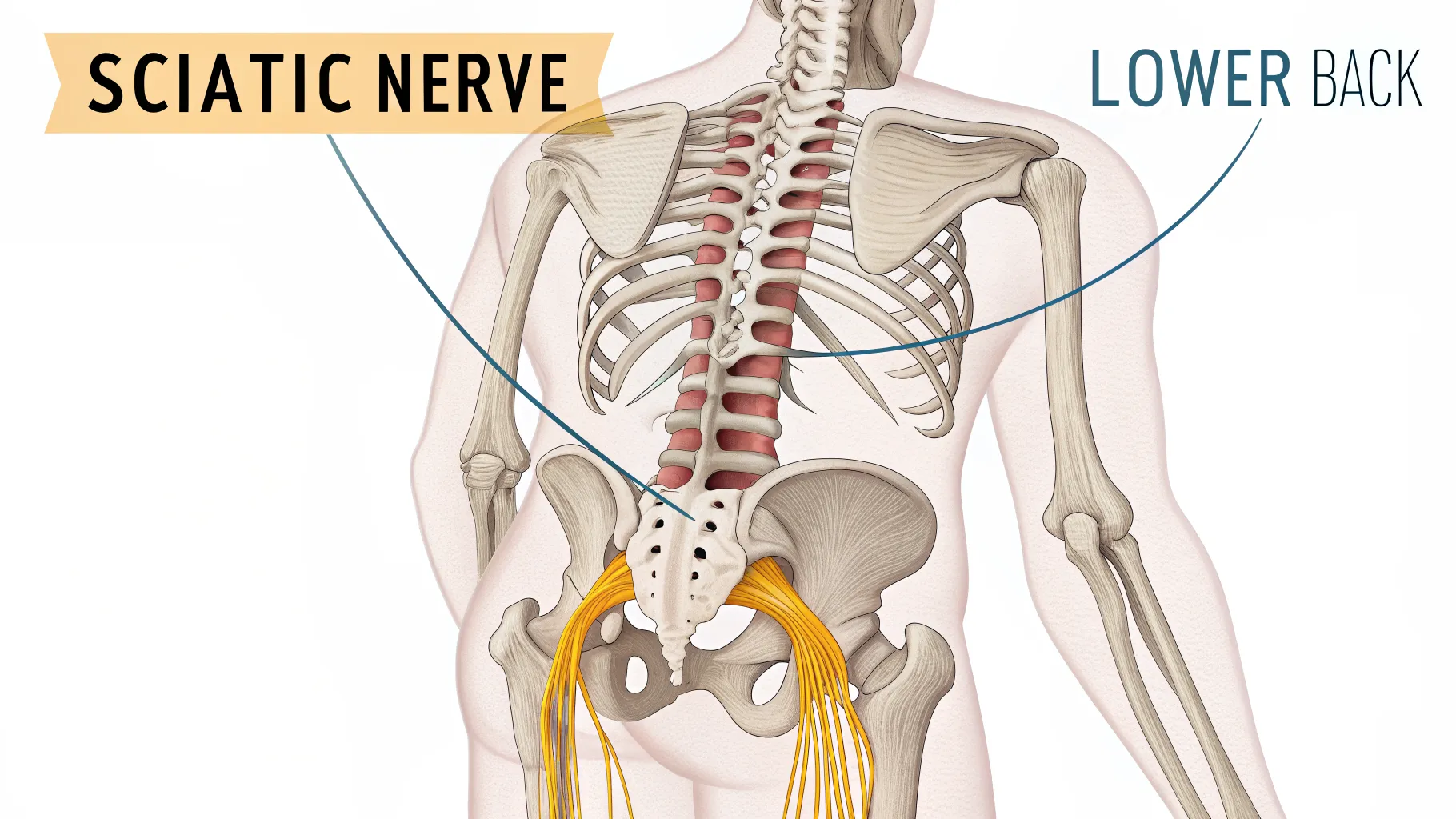
When this happens in the lower back, it often affects the sciatic nerve, which is the longest nerve in your body. It runs from your lower back, through your hips and buttocks, and down each leg. Compression of the sciatic nerve results in a condition called sciatica, which is one of the most frequent causes of nerve-related leg pain.
Recognizing the Symptoms
The symptoms of a pinched nerve in the leg can vary greatly in type and intensity, depending on the location and severity of the compression. It is important to pay attention to these signals your body is sending. Many people experience a combination of symptoms rather than just one.
Common signs to watch for include:
- A sharp, aching, or burning pain that may radiate from your lower back or buttock down the back of your leg.
- Numbness or a reduced sensation in the area supplied by the nerve.
- Tingling, pins-and-needles sensations, also known as paresthesia.
- Muscle weakness in the affected leg, which might affect your gait or ability to hold weight.
- A frequent feeling that your foot has 'fallen asleep'.
Common Causes of Pinched Nerves
Several conditions and factors can lead to the compression of a nerve in the lower back or leg. One of the most common culprits is a herniated or bulging disc. The soft, gel-like discs between your vertebrae can push out of their normal position and press on a nearby nerve root. This is a frequent cause of sciatica.
Other potential causes include spinal stenosis, which is the narrowing of the spinal canal, and the formation of bone spurs, which are bony growths that can develop on the edges of your vertebrae. Injuries from an accident, poor posture over a long period, and repetitive motions associated with work or sports can also contribute to the problem. Certain factors like obesity, rheumatoid arthritis, and genetics can increase your risk of developing a pinched nerve.
At-Home Remedies and Lifestyle Adjustments
For many cases of mild nerve pain, simple at-home care can provide significant relief. One of the first steps is to modify your activities and get adequate rest, but avoid complete bed rest. Staying immobile for too long can lead to muscle stiffness and weaken your back muscles, potentially making the situation worse. Try to find a comfortable position, often with your knees slightly elevated, to take pressure off the nerve.
Adjusting your posture can also make a big difference. Pay attention to how you sit, stand, and lift. Using ergonomic chairs and desks can help maintain proper spinal alignment. Applying cold packs for the first couple of days can help reduce inflammation, followed by warm packs or a warm bath to relax tight muscles and increase blood flow to the area.
Stretches and Gentle Exercises for Relief
Once the initial, acute pain subsides, incorporating gentle stretches and low-impact exercises can help relieve pressure on the nerve and improve flexibility. It is crucial to move slowly and avoid any movements that cause sharp pain. A physical therapist can provide a tailored exercise plan, but some general stretches are often recommended.
Consider trying these gentle movements:
- Knee-to-Chest Stretch: Lie on your back with your knees bent and feet flat. Gently pull one knee toward your chest, holding for 20 to 30 seconds. Repeat on the other side.
- Piriformis Stretch: While lying on your back, cross the ankle of the affected leg over the opposite knee. Gently pull the uncrossed leg toward your chest until you feel a stretch in your buttock.
- Pelvic Tilt: Lie on your back with knees bent. Tighten your stomach muscles to flatten your back against the floor, hold for a few seconds, and then relax.
When to Seek Professional Medical Advice
While many cases of pinched nerve pain improve with self-care within a few days or weeks, some situations require medical attention. You should consult a healthcare professional if the pain is severe, persists for more than a few weeks, or does not improve with home remedies. If you experience significant muscle weakness, a loss of bladder or bowel control, or numbness in the inner thigh and genital area, seek medical help immediately, as these can be signs of a more serious condition.
A doctor can diagnose the cause of your nerve pain through a physical examination and may order imaging tests like an X-ray, MRI, or CT scan. They might also perform nerve conduction studies to assess nerve function. Based on the diagnosis, they can recommend a course of treatment, which may include physical therapy, prescription medications, or other medical procedures to provide lasting relief.