A Guide to 7-Day Cruises of Croatia, Montenegro, and Italy
A 7-day cruise through the Adriatic offers a remarkable way to experience three distinct yet interconnected Mediterranean cultures: Italy, Croatia, and Montenegro. This journey is a tapestry of ancient history, stunning coastlines, and vibrant local life, all accessible from the comfort of a modern cruise ship. For travelers looking to sample the best of this region in a short amount of time, a week-long cruise provides an efficient and scenic way to explore its many treasures.
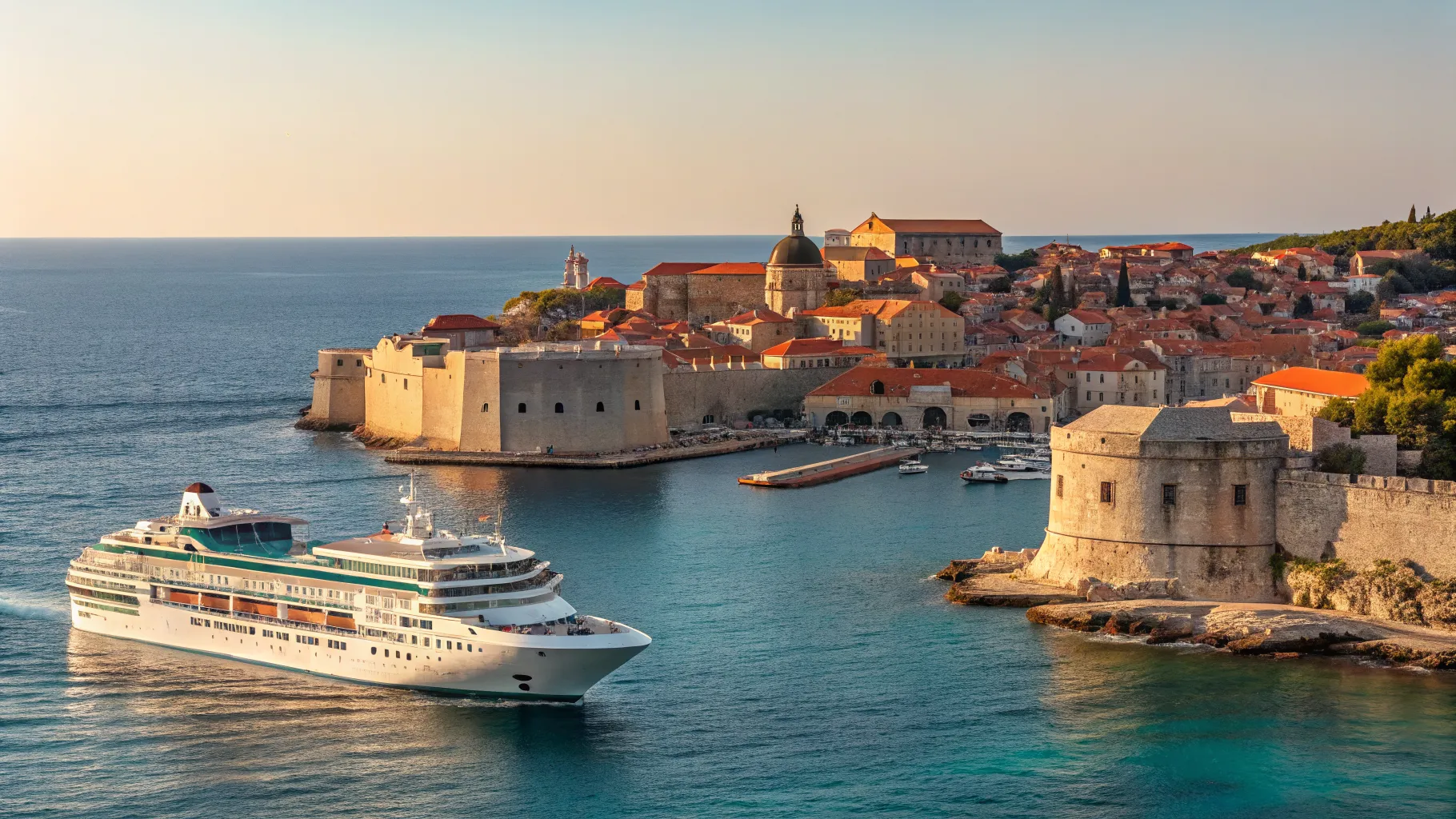
What to Expect from an Adriatic Itinerary
A typical 7-day Adriatic cruise packs a diverse range of experiences into a single week. Most itineraries are designed to maximize time in port while offering scenic sailing during the day or overnight travel between destinations. You can expect a blend of bustling historical cities, charming coastal towns, and breathtaking natural landscapes. The routes often start and end in major Italian port cities like Venice or Civitavecchia (the port for Rome), making air travel connections relatively straightforward for international travelers.
The pace is generally quite active, with a new port to explore almost every day. This structure is ideal for those who want to see a lot without the hassle of packing and unpacking or arranging transportation between countries. The journey itself is part of the appeal, as sailing along the Dalmatian Coast and into the fjord-like Bay of Kotor provides views that are inaccessible by land. It's a journey that combines cultural immersion with relaxation and scenic beauty.
Common Ports of Call in Croatia
Croatia's Dalmatian Coast is a highlight of any Adriatic cruise, renowned for its crystal-clear waters and historic walled cities. Most 7-day itineraries will include at least one or two stops here, giving you a taste of the country's rich heritage and coastal charm. These ports offer a fascinating look into centuries of Venetian, Roman, and Slavic history.
- Dubrovnik: Often called the 'Pearl of the Adriatic', Dubrovnik is famous for its magnificent medieval walls that encircle the Old Town. Visitors can walk the entire length of the walls for spectacular views, explore the limestone-paved streets, and discover historic landmarks like the Rector's Palace.
- Split: The largest city on the Adriatic coast, Split is built around the sprawling Diocletian's Palace, a Roman fortress that is now a living part of the city center. The Riva, a bustling waterfront promenade, is the perfect place to experience the local cafe culture.
- Hvar or Korčula: Some itineraries may substitute a larger city for a stop at one of Croatia's beautiful islands. Hvar is known for its glamorous atmosphere and lavender fields, while Korčula is a fortified town often cited as the birthplace of Marco Polo.
Exploring Montenegro's Coastal Gem
A stop in Montenegro is a dramatic and memorable part of many Adriatic cruises. The highlight is the journey into the Bay of Kotor, a submerged river canyon that is often compared to a Scandinavian fjord. As the ship navigates the narrow, winding bay, you'll be surrounded by towering, dark mountains that plunge directly into the deep blue water. The scenery is truly breathtaking and a photographer's dream.
The port town of Kotor is a UNESCO World Heritage site, a perfectly preserved medieval city enclosed by impressive fortifications. Inside the walls, you'll find a maze of cobblestone streets, quiet squares, and ancient churches. For the adventurous, a challenging climb up the 1,350 steps to the Fortress of San Giovanni at the top of the hill rewards you with an unforgettable panoramic view of the bay and the town below.
Italian Ports on an Adriatic Cruise
Italy often serves as the bookend for these cruises, providing iconic starting or ending points. Venice is a classic choice, and arriving or departing by sea offers a unique perspective on the 'Floating City'. Sailing past St. Mark's Square and down the Giudecca Canal is an experience in itself. A day in Venice allows for exploration of its famous canals, bridges, and historic sites before or after your cruise.
While Venice is the most common Italian port on these routes, some itineraries may start, end, or call at other cities. Bari, in the Puglia region, is another key Adriatic port, offering access to the unique trulli houses of Alberobello. Ancona is another possibility, serving as a gateway to the rolling hills and charming towns of the Marche region. These ports offer a look at a different, less-traveled side of Italy.
Life Onboard the Cruise Ship
The type of ship you travel on can significantly shape your experience. Adriatic routes are served by a wide variety of vessels, from massive, resort-style liners with thousands of passengers to smaller, more intimate luxury ships and even sailing yachts. Larger ships typically offer a wider range of amenities, such as multiple restaurants, pools, spas, and elaborate evening entertainment.
Smaller ships, on the other hand, can often access smaller ports that are inaccessible to larger vessels and may offer a more destination-focused experience. Regardless of size, all cruise ships will offer organized shore excursions for an additional fee, making it easy to see the main sights at each port. Alternatively, you are always free to explore independently if you prefer a more spontaneous approach.
Best Time to Go and What to Pack
The main cruising season in the Adriatic runs from late spring (April and May) to early autumn (September and October). The peak summer months of July and August offer the hottest weather and the most vibrant atmosphere, but also the largest crowds and highest prices. The shoulder seasons in spring and fall are often considered ideal, with pleasant weather, fewer crowds, and more moderate pricing.
- Comfortable Footwear: You will do a lot of walking on cobblestone streets and uneven surfaces. Comfortable walking shoes are essential.
- Sun Protection: The Mediterranean sun is strong. Pack a hat, sunglasses, and high-SPF sunscreen.
- Layered Clothing: Evenings can be cool, especially on the water. Bring a light jacket or sweater.
- Modest Attire: If you plan to visit churches or other religious sites, bring clothing that covers your shoulders and knees.
- European Power Adapter: Ensure you have the correct adapter to charge your electronics onboard and in port.
Planning Your Adriatic Cruise
When choosing your cruise, it's important to understand what is included in the base fare. Typically, this covers your cabin accommodation, meals in the main dining rooms and buffet restaurants, select beverages like water and coffee, and access to most onboard facilities and entertainment. This provides a great value, as your core travel expenses are covered upfront.
However, be sure to budget for additional expenses. Common extras include gratuities for the crew, specialty dining restaurants that offer a more exclusive culinary experience, alcoholic beverages and sodas, and shore excursions. Port fees and taxes are also sometimes listed separately from the main fare. Reading the terms and conditions carefully will help you understand the full cost and avoid any surprises during your trip.