A Guide to the 11-Night Italy and Croatia Cruise Experience
An 11-night cruise through the Adriatic Sea offers a fantastic opportunity to explore the rich history, vibrant cultures, and stunning landscapes of Italy and Croatia. This extended itinerary allows for a deeper dive into the region, balancing iconic destinations with relaxing days at sea. Understanding the typical routes and what each port has to offer can help you make the most of this memorable journey.
Understanding the Itinerary
Most 11-night cruises in this region follow a route that begins and ends in a major Italian port city. Common starting points include Civitavecchia (the port for Rome), Venice, or Trieste, each offering unique pre-cruise and post-cruise possibilities. The journey typically heads across the Adriatic Sea to the Croatian coast before returning to Italy, sometimes including a stop in a neighboring country like Montenegro or Greece.
An 11-night duration provides a comfortable pace, usually featuring seven to nine port days and two or three days at sea. Sea days are perfect for enjoying the ship's amenities, from pools and spas to specialty dining and entertainment. They provide a welcome break between the often busy days spent exploring historic cities and charming coastal towns.
Iconic Italian Ports of Call
The Italian portion of your cruise will likely include some of the country's most famous coastal cities. Venice is a highlight for many, though some cruise lines now dock in nearby ports like Ravenna or Trieste due to regulations. From these ports, you can explore the famous canals, St. Mark's Square, and the Doge's Palace. Shore excursions often include gondola rides, glass-blowing demonstrations on the island of Murano, or walking tours through hidden alleyways.
Other potential Italian stops might include Bari or Ancona. Bari, in the Puglia region, offers a charming old town with winding streets and the Basilica of Saint Nicholas. Ancona serves as a gateway to the beautiful Marche region, known for its rolling hills and Renaissance towns. These ports provide a glimpse into a different, often less-crowded side of Italy.
Exploring the Croatian Coastline
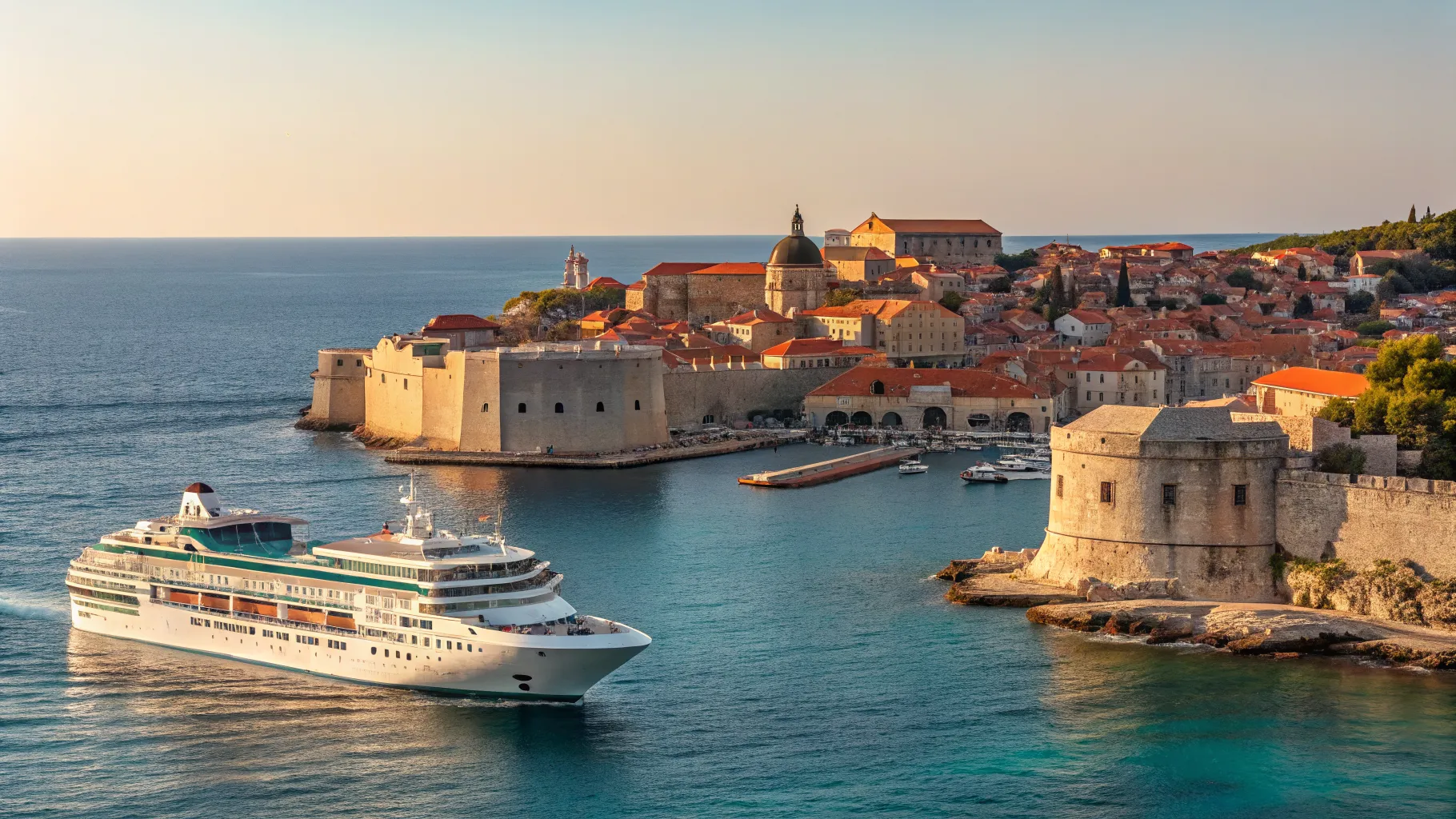
The Croatian coast is a major highlight of any Adriatic cruise. Dubrovnik, known as the 'Pearl of the Adriatic,' is a must-see destination. Its magnificent medieval walls, limestone-paved streets, and historic buildings are instantly recognizable. Visitors can walk the city walls for breathtaking views, explore the old town's monasteries and palaces, or take a cable car up Mount Srđ.
Split, another common stop, is famous for Diocletian's Palace, a vast Roman complex that forms the heart of the old city. You can wander through its ancient cellars, courtyards, and gates, which are now home to shops, cafes, and residences. Other Croatian ports might include Zadar, with its unique Sea Organ, or the picturesque islands of Hvar or Korčula, known for their beautiful beaches and historic towns.
Potential Stops in Neighboring Countries
With an 11-night itinerary, there is often time to include a port in a neighboring country, adding another layer to your travel experience. Kotor, Montenegro, is a frequent and spectacular addition. The ship's passage through the Bay of Kotor, often described as Europe's southernmost fjord, is a scenic event in itself. The town of Kotor is a beautifully preserved medieval city tucked between towering mountains and the bay.
Another possibility is a stop in Greece, typically on the island of Corfu. Located at the entrance to the Adriatic Sea, Corfu offers a unique blend of Greek, Venetian, French, and British influences. Its UNESCO-listed old town is a maze of narrow streets, and the island is dotted with lush landscapes and beautiful beaches.
Life Onboard the Ship
The cruise ship itself is a central part of the experience. The vessels that sail the Adriatic range from massive, modern ships with every imaginable amenity to smaller, more intimate luxury liners. Larger ships often feature multiple swimming pools, elaborate spas, Broadway-style shows, and a wide array of dining options, from casual buffets to upscale specialty restaurants.
Smaller ships may offer a more focused and quiet experience, often with an emphasis on gourmet dining and personalized service. Regardless of size, your time at sea can be as relaxed or active as you wish. Many travelers enjoy lectures on the history and culture of the upcoming ports, cooking demonstrations, or simply relaxing on their balcony with a book while enjoying the sea views.
Best Time to Travel and Packing Tips
The prime season for an Adriatic cruise is from late spring to early autumn, typically May through October. The shoulder months of May, June, September, and October often provide the best balance of pleasant weather and fewer crowds compared to the peak season of July and August. During the peak summer, temperatures can be very high, and popular sites will be at their busiest.
When packing, focus on comfort and versatility. Key items to include are:
- Comfortable walking shoes for exploring cobblestone streets and historic sites.
- Lightweight layers, as evenings on the water can be cool even in summer.
- Sun protection, including a hat, sunglasses, and high-SPF sunscreen.
- A reusable water bottle to stay hydrated during shore excursions.
- Slightly more formal attire for evening dinners onboard, depending on the cruise line's dress code.
- Modest clothing (covering shoulders and knees) if you plan to visit religious sites.