A Guide to Modern Men's Wellness Technology
The conversation around men's health has expanded significantly beyond traditional metrics of fitness and diet. Today, a holistic approach that includes mental, emotional, and intimate well-being is taking center stage. Supporting this shift is a new wave of sophisticated technology designed to provide men with deeper insights into their health, empowering them to take proactive control over their wellness journey.
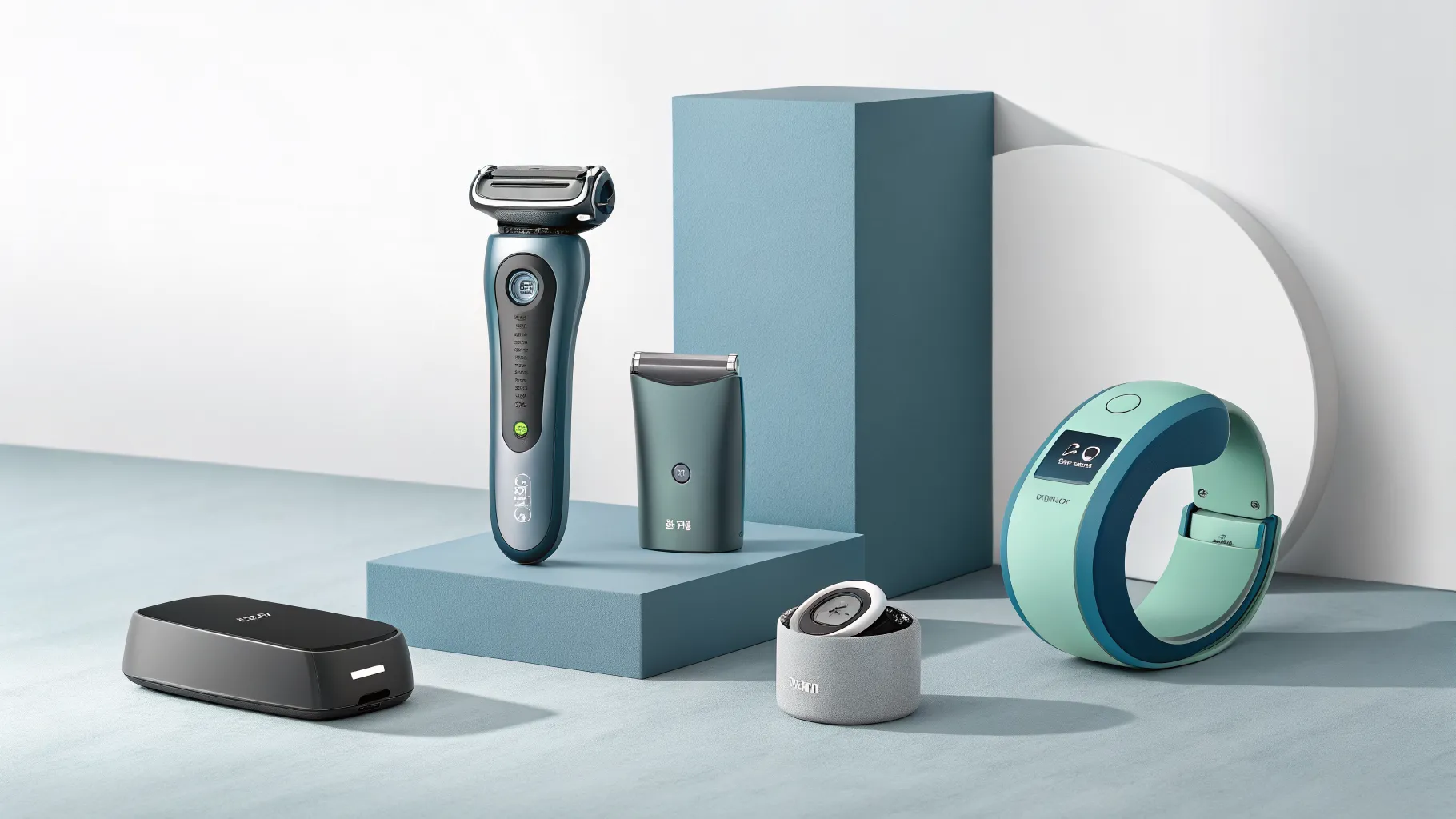
The New Wave of Men's Health Monitoring
For years, wellness technology for men was largely synonymous with wrist-worn step counters and heart rate monitors. While these devices were revolutionary in their own right, the latest generation of gadgets offers a much more comprehensive view of one's health. The focus has shifted from simply tracking activity to providing actionable insights on everything from stress levels and sleep quality to body composition and metabolic function.
These modern devices often use a suite of advanced sensors, including electrocardiogram (ECG) readers, skin temperature sensors, and electrodermal activity (EDA) sensors. This allows them to collect a rich dataset that, when analyzed by sophisticated algorithms, can reveal subtle trends and patterns in your health. This move towards preventative and personalized data empowers users to make informed lifestyle changes before minor issues become significant problems.
Beyond the Gym: Smart Fitness and Body Analysis
While tracking workouts remains a core feature, modern fitness tech goes far deeper than counting reps or miles. Smart scales, for instance, have evolved to provide detailed body composition analysis. Using bioelectrical impedance analysis (BIA), they can estimate metrics like body fat percentage, muscle mass, bone density, and body water percentage. This provides a more nuanced understanding of physical health than weight alone.
Other innovations include wearable devices that can measure blood oxygen saturation (SpO2), a key indicator of respiratory function, and even portable devices that claim to analyze muscle quality or metabolic rate. These tools are designed to help men optimize their training, nutrition, and overall physical conditioning by providing data that was once only available in a clinical or professional athletic setting.
Mastering Sleep and Recovery
The critical importance of sleep and recovery is now widely recognized, and technology has risen to meet the demand for better rest. Advanced sleep trackers, often found in smart rings, headbands, or under-mattress pads, monitor sleep stages (light, deep, REM), heart rate variability (HRV), and body temperature throughout the night. This data is used to generate a daily 'readiness' or 'recovery' score, helping you understand how prepared your body is for physical or mental strain.
Beyond tracking, recovery technology also includes active tools. Percussive therapy devices, or massage guns, have become popular for relieving muscle soreness and improving blood flow. Similarly, pneumatic compression systems for the legs and arms help reduce inflammation and accelerate recovery after intense physical activity. These gadgets are becoming staples for anyone serious about their physical performance and longevity.
Technology for Mental and Cognitive Health
Men's mental wellness is an area of growing focus, and new technologies are emerging to support it. Some of the most interesting innovations are in the field of neurotechnology. For example, consumer-grade EEG headbands can provide real-time feedback during meditation, helping users learn to achieve states of calm and focus more effectively. These devices essentially guide your practice by translating brainwave activity into audible cues.
Other wearables are designed to help manage stress by tracking physiological indicators like heart rate variability and skin conductance. When the device detects rising stress levels, it can prompt the user to engage in a guided breathing exercise or take a short break. This technology aims to build greater self-awareness and provide tools for managing stress in the moment, rather than after the fact.
Advances in Personal and Intimate Wellness
A newer and more sensitive category of men's wellness tech focuses on intimate health. This area has seen the development of devices aimed at improving pelvic floor strength. Strong pelvic floor muscles are important for bladder control, core stability, and overall sexual health. These gadgets often pair with an app to provide guided exercises and track progress over time, much like a personal trainer for a specific muscle group.
This field is moving towards providing men with more personalized, private, and proactive ways to understand and manage aspects of their health that have traditionally been difficult to discuss. The goal of these innovations is to destigmatize and provide data-driven tools for areas of men's health that are fundamental to their overall quality of life, focusing on function, performance, and long-term well-being.
What to Consider When Choosing Wellness Tech
Navigating the market for wellness technology can be overwhelming. With so many devices making bold claims, it is wise to be a discerning consumer. Before investing in a new gadget, it's helpful to consider several key factors to ensure it aligns with your goals and provides genuine value. Look beyond the marketing and evaluate the product on its practical merits.
Here are a few important points to keep in mind:
- Data Accuracy: How reliable are the sensors and algorithms? Look for information on whether the device has been validated against medical-grade equipment or has been used in independent research.
- Privacy Policy: You are trusting these devices with your most personal health data. Carefully review the company's privacy policy to understand how your data is stored, used, and protected.
- Usability and Comfort: A device is only useful if you use it consistently. Consider the battery life, comfort (if it's a wearable), and how easily it integrates into your daily routine.
- App and Ecosystem: Evaluate the companion app. Is it user-friendly and insightful? Does the device integrate with other health platforms you might use, like Apple Health or Google Fit?
- Hidden Costs: Be aware that some devices require a monthly or annual subscription to unlock their full features and data analysis. Factor these potential ongoing costs into your decision.