A Guide to Exploring the Baltic Capitals by Cruise
A cruise through the Baltic Sea offers a unique journey through history, culture, and stunning northern European landscapes. Visiting the grand capitals of Scandinavia and the Baltic states provides a seamless way to experience a diverse collection of destinations in a single trip. This guide explores what to expect from a Baltic capitals cruise, from popular itineraries to tips for planning your adventure.
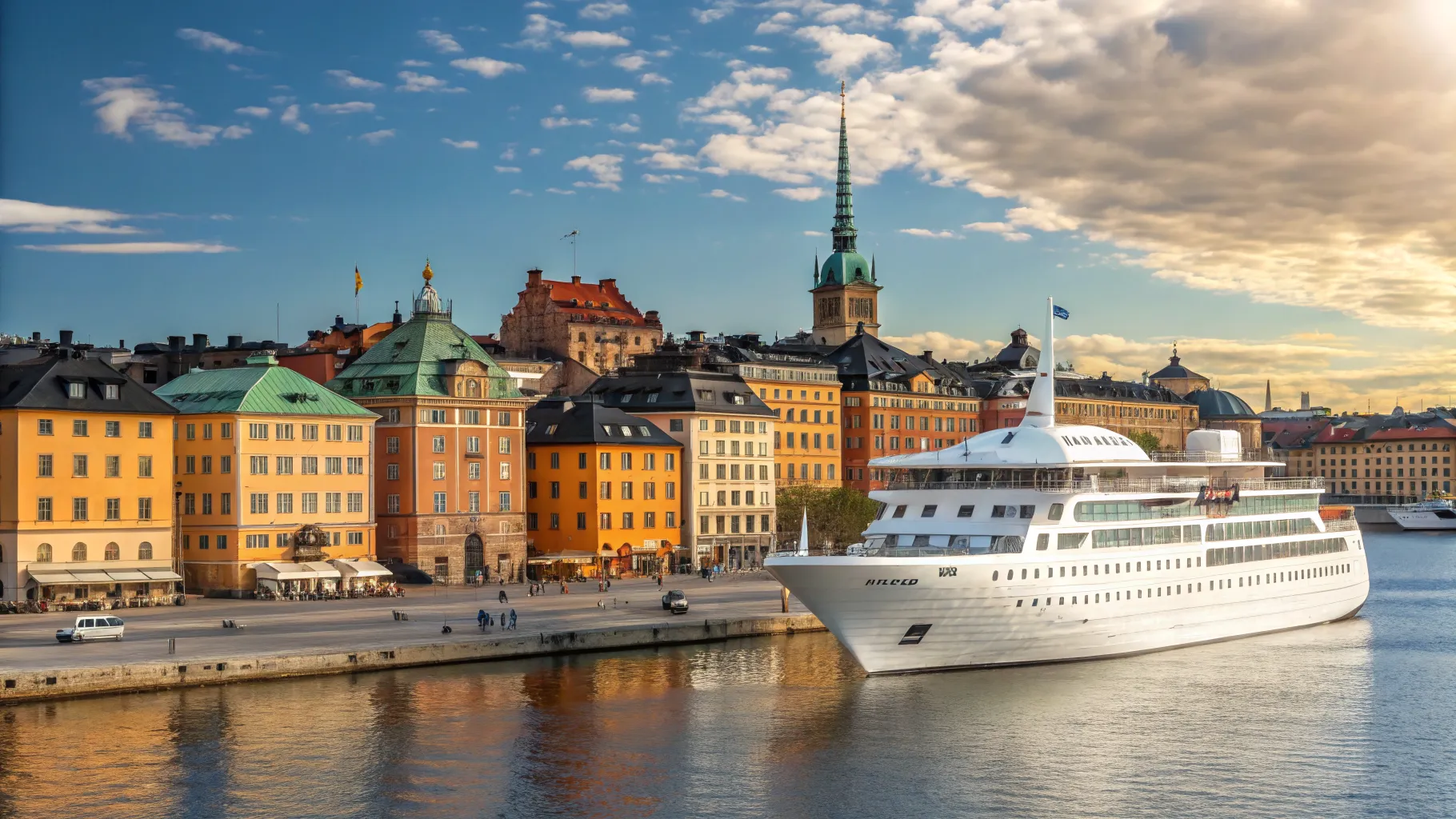
What Defines a Baltic Capitals Cruise?
A Baltic capitals cruise is a sea voyage that typically navigates the Baltic Sea, calling at the major port cities of the surrounding countries. These itineraries are designed to showcase the rich history and distinct cultural identities of Northern Europe. Travelers can wake up in a new country almost every day, exploring everything from medieval old towns to modern architectural marvels without the hassle of packing and unpacking or coordinating multiple hotel stays.
The appeal lies in its efficiency and breadth of experience. Within a week or two, you can immerse yourself in the Viking heritage of Sweden, the maritime history of Denmark, the Finnish design scene, and the fairy-tale charm of Estonia. The cruise ship serves as a floating hotel, providing transportation, lodging, and dining as it travels between these fascinating ports of call, making it a comfortable and convenient way to see this remarkable region.
Key Destinations and Common Itineraries
While itineraries can vary between cruise lines, most Baltic voyages feature a core group of celebrated capital cities. These trips offer a fantastic overview of the region's highlights. The duration typically ranges from 7 to 14 nights, allowing for ample time to explore several key locations.
- Copenhagen, Denmark: Often a starting or ending point, known for its charming Nyhavn harbor, Tivoli Gardens, and royal palaces.
- Stockholm, Sweden: Spread across 14 islands, this city features the historic Gamla Stan (Old Town) and the impressive Vasa Museum.
- Helsinki, Finland: A hub of modern design and architecture, famous for its unique rock church (Temppeliaukio) and bustling Market Square.
- Tallinn, Estonia: Boasts one of Europe's best-preserved medieval old towns, a UNESCO World Heritage site with cobblestone streets and ancient city walls.
- Riga, Latvia: Sometimes included, this city is renowned for its extensive collection of Art Nouveau architecture.
- Gdansk, Poland: Another potential port, offering a rich maritime history and a beautifully reconstructed Old Town.
Choosing the Best Time to Go
The Baltic cruise season is relatively short, running primarily from late spring to early autumn. The peak period is during the summer months of June, July, and August. This is when the weather is at its warmest and the days are exceptionally long, a phenomenon known as the 'White Nights,' where the sun barely sets. This extended daylight provides maximum time for sightseeing in port.
Traveling during the shoulder seasons, such as May or September, can also be a rewarding experience. During these months, the weather is still generally pleasant, but the crowds are thinner, and you may find more attractive pricing on cruise packages. While the days are shorter than in midsummer, you will still have plenty of daylight to enjoy the cities and landscapes.
The Spectrum of Cruise Experiences
The Baltic Sea is navigated by a wide variety of cruise lines, catering to different budgets and travel styles. You can find everything from large, resort-style ships to smaller, more intimate luxury vessels. The larger ships often appeal to families and those seeking a wide range of onboard activities, entertainment, and dining options. These cruises provide a bustling and social atmosphere.
On the other end of the spectrum, luxury and expedition-style cruise lines offer a more refined and in-depth experience. These smaller ships can sometimes access ports that larger vessels cannot and often feature inclusive pricing, gourmet dining, and expert-led lectures on the region's history and culture. When researching, consider what type of atmosphere you prefer, what's included in the fare, and the level of service you expect.
Onboard Life and Shore Excursions
Your cruise fare typically covers your accommodation, meals in main dining rooms and buffets, and a selection of onboard entertainment. Things like specialty dining, alcoholic beverages, spa treatments, and crew gratuities are usually extra costs. It is wise to review what is included with your specific cruise line before you book to manage your budget effectively.
Shore excursions are a major part of the Baltic cruise experience. While you can explore ports independently, cruise lines offer a wide range of organized tours. These can range from guided walking tours of historic centers and panoramic bus tours to more specialized experiences like canal boat trips in Stockholm or visits to palaces outside the city. Booking excursions through the cruise line offers convenience, but booking with local independent operators or simply exploring on your own are also great options.
Planning and Booking Your Journey
For the best selection of itineraries and cabins, it is advisable to book a Baltic cruise well in advance, sometimes a year or more, especially if you are planning for a specific season or ship. This is particularly true for travel in future years like 2026. Early booking can sometimes come with promotional offers or added perks.
Travelers from the UK and other regions will find many packages that can be bundled with flights to the port of embarkation, such as Copenhagen or Stockholm. When comparing prices, look at the total cost, including flights, transfers, and any pre-cruise hotel stays. Finally, always check the visa requirements for all the countries on your itinerary. While many Baltic states are in the Schengen Area, rules can vary based on your citizenship.