A Guide to Choosing Eczema Creams for Itch and Dryness
Living with eczema often means dealing with a cycle of dryness and itching that can be difficult to manage. The cornerstone of most eczema care routines is a quality moisturizer designed to soothe irritation and restore the skin's natural barrier. With countless options available, understanding what makes a cream effective is the first step toward finding lasting relief and comfort.
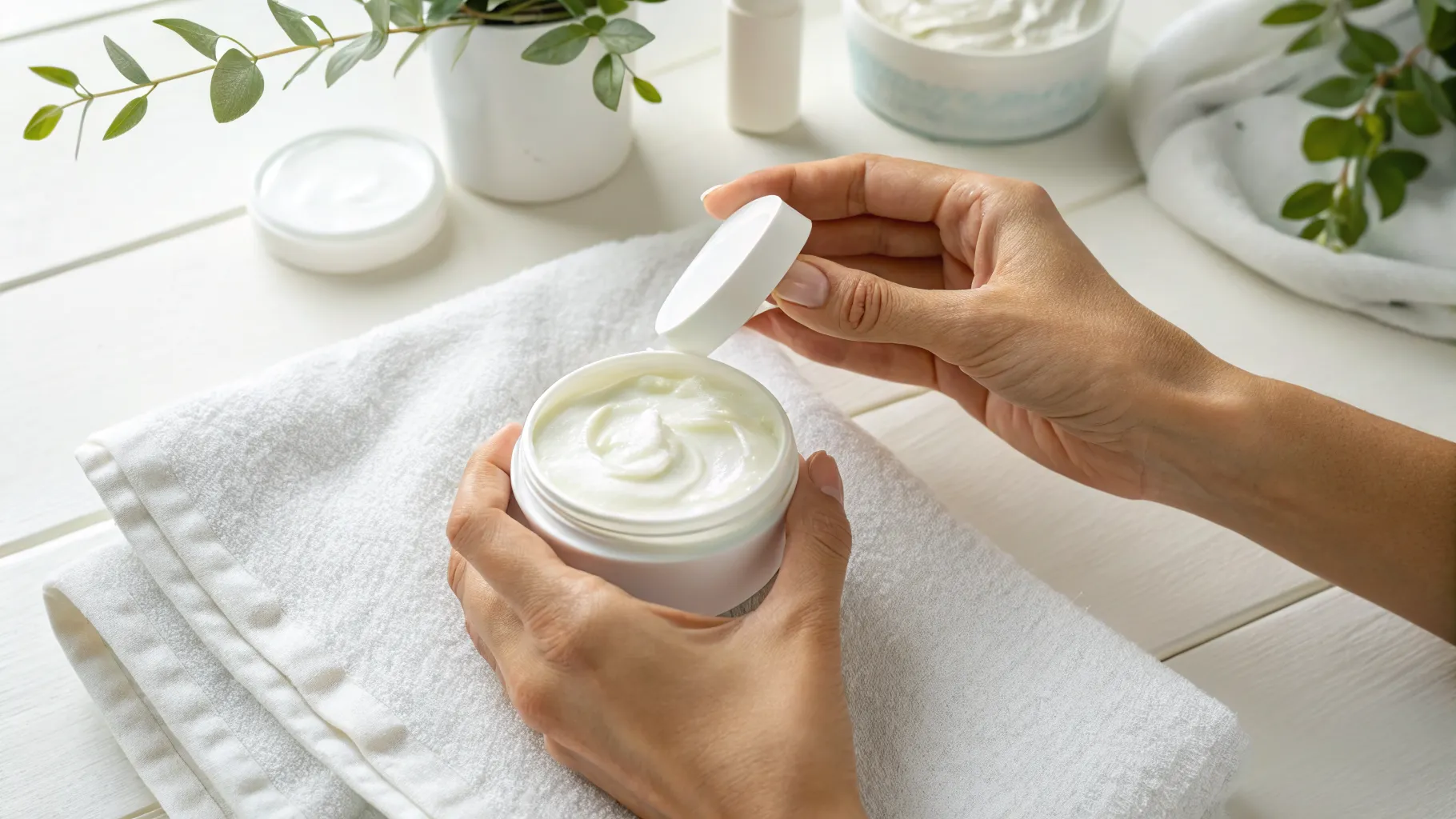
Understanding Eczema and Skin Barrier Function
Eczema, also known as atopic dermatitis, is a condition where the skin's barrier is compromised. A healthy skin barrier acts like a wall, keeping moisture in and irritants, allergens, and bacteria out. In people with eczema, this barrier is weakened, allowing moisture to escape easily, which leads to dryness, and making the skin more susceptible to external triggers, which causes inflammation and intense itching.
The primary goal of an eczema cream is to support and repair this barrier. By providing a protective layer and replenishing lost lipids and moisture, these creams help reduce symptoms and prevent flare-ups. Consistent moisturizing is crucial, even when the skin appears clear, to maintain the integrity of the skin barrier and keep symptoms at bay.
Key Ingredients That Soothe and Protect
When selecting an eczema cream, reading the ingredient list is essential. Certain components are particularly effective at hydrating the skin and calming irritation. Looking for products formulated with these ingredients can significantly improve your skincare outcomes.
- Ceramides: These are lipids (fats) that are naturally found in the skin and are crucial for its barrier function. Eczema-prone skin often has lower levels of ceramides, so creams containing them can help replenish what's missing.
- Hyaluronic Acid: A powerful humectant, hyaluronic acid attracts and holds onto water, drawing moisture into the skin to keep it hydrated.
- Glycerin: Another effective humectant, glycerin helps pull moisture from the air into the skin's outer layer, providing long-lasting hydration.
- Colloidal Oatmeal: Known for its soothing properties, colloidal oatmeal can help relieve itching and calm inflammation. It forms a protective film on the skin's surface.
- Niacinamide: A form of vitamin B3, niacinamide can help improve the skin's barrier function, reduce redness, and calm inflammation.
Common Irritants to Avoid in Skincare
Just as important as knowing what to look for is knowing what to avoid. Many common skincare ingredients can trigger an eczema flare-up or worsen existing symptoms by further irritating a compromised skin barrier. It is best to choose products specifically labeled as hypoallergenic or formulated for sensitive skin.
Be cautious of products containing fragrances, as both synthetic and natural scents (like essential oils) are common allergens. Dyes and colorants should also be avoided, as they serve no therapeutic purpose and can cause irritation. Some types of alcohol, particularly simple alcohols like ethanol or isopropyl alcohol, can be very drying and should be avoided. Instead, look for fatty alcohols like cetyl or stearyl alcohol, which are non-irritating and can be beneficial.
The Difference Between Ointments, Creams, and Lotions
Moisturizers come in several forms, and the right one for you may depend on the severity of your dryness and your personal preference. The main difference lies in their oil-to-water ratio. Ointments have the highest oil content, making them very thick and effective at locking in moisture. They are excellent for very dry, cracked skin, and are often best for overnight use.
Creams have a lower oil content than ointments but are still thicker than lotions. They provide a good balance of hydration and absorption without feeling overly greasy, making them a popular choice for daily use on both the body and face. Lotions have the highest water content, making them the lightest and easiest to spread. While they provide some hydration, they may not be sufficient for moderate to severe eczema as they evaporate more quickly.
Best Practices for Applying Eczema Cream
How and when you apply your moisturizer can make a significant difference in its effectiveness. Experts often recommend the 'soak and seal' method. This involves soaking the skin in a lukewarm bath or shower for 5 to 10 minutes, gently patting the skin partially dry with a towel, and then immediately applying a generous amount of cream to the still-damp skin. This technique helps lock in the moisture from the water.
Moisturizing should be done at least twice a day, and more often if your skin feels dry or during a flare-up. Don't be shy with the amount; use a liberal layer to ensure full coverage. For areas that are particularly itchy, storing your cream in the refrigerator can provide an extra cooling and soothing sensation upon application.
Lifestyle Habits to Complement Your Skincare
While creams are a vital tool, managing eczema often requires a holistic approach. Certain lifestyle adjustments can help reduce triggers and support overall skin health. Wearing soft, breathable fabrics like cotton and avoiding wool or synthetic materials can prevent irritation from clothing. Using a humidifier in dry environments can also add moisture to the air and, in turn, your skin.
It's also helpful to identify and avoid personal triggers, which can vary from person to person. Common triggers include certain foods, stress, allergens like dust mites or pet dander, and harsh soaps or detergents. Keeping a journal to track your symptoms and potential exposures can help you pinpoint what might be causing your flare-ups, allowing you to take proactive steps to avoid them.