A Comprehensive Guide to Skincare for Eczema-Prone Skin
Living with eczema, also known as atopic dermatitis, often involves navigating the daily challenge of dry, itchy, and inflamed skin. A consistent and gentle skincare routine is fundamental to managing symptoms, strengthening the skin's natural barrier, and reducing the frequency of flare-ups. Understanding which products to use and which to avoid can make a significant difference in finding comfort and relief.
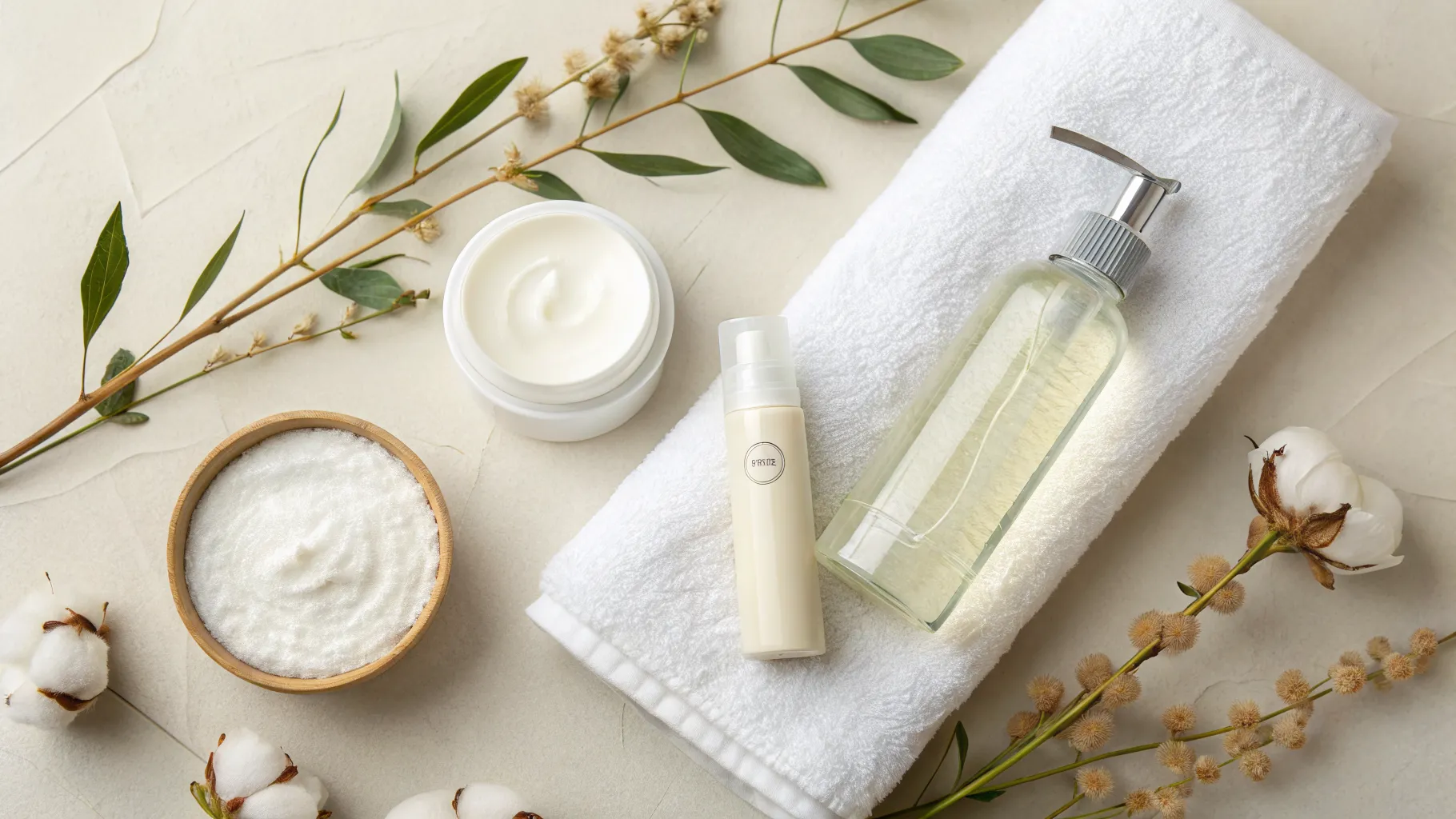
Understanding Eczema and Its Triggers
Eczema is a condition where the skin's barrier function is compromised. A healthy skin barrier acts like a wall, keeping moisture in and irritants out. In people with eczema, this barrier is weakened, leading to moisture loss and increased susceptibility to allergens, bacteria, and other external irritants. This results in the characteristic symptoms of dryness, inflammation, redness, and intense itching.
Flare-ups can be initiated by a wide range of triggers that vary from person to person. Common culprits include dry air, certain fabrics like wool, harsh soaps and detergents, stress, sweat, and allergens such as dust mites or pollen. Identifying and minimizing exposure to personal triggers is a key part of managing the condition alongside a proper skincare regimen.
The Foundation: Gentle Cleansing
Cleansing is the first step in any skincare routine, but for eczema-prone skin, it must be done with extreme care. The goal is to clean the skin without stripping away its essential natural oils, which can further weaken the skin barrier. Harsh soaps and cleansers with high pH levels can be very drying and irritating, often making the itchiness and inflammation worse.
Instead, opt for mild, hydrating, and fragrance-free cleansers. Look for products labeled as soap-free or formulated for sensitive skin. It's also best to use lukewarm water instead of hot water, as high temperatures can strip the skin of its moisture. After washing, gently pat the skin dry with a soft towel, avoiding vigorous rubbing which can cause friction and irritation.
Moisturizing: The Key to a Healthy Skin Barrier
Moisturizing is arguably the most critical step in caring for eczema-prone skin. Applying moisturizer regularly helps to lock in hydration, repair the skin barrier, and reduce symptoms like itching and dryness. The best time to moisturize is immediately after bathing or washing your hands, while the skin is still slightly damp. This technique, often called 'soak and seal,' helps to trap water in the skin for maximum hydration.
There are different types of moisturizers, and the best one often depends on the severity of the dryness. Ointments have the highest oil content and are very effective at sealing in moisture, making them ideal for very dry, thick patches of skin. Creams have a lower oil content but are still very hydrating and are less greasy than ointments. Lotions have the highest water content and are the lightest, but they may not be sufficient for very dry skin and can sometimes contain ingredients that sting when applied to broken skin.
Beneficial Ingredients to Look For
When selecting skincare products, reading the ingredient list can help you find formulations that actively support and soothe your skin. Certain ingredients are particularly beneficial for reinforcing the skin barrier and calming inflammation. A basic understanding of these components can empower you to make better choices for your skin's health.
- Ceramides: These are lipids (fats) that are naturally found in the skin and are essential for maintaining the skin barrier. Replenishing ceramides helps to restore the barrier and retain moisture.
- Hyaluronic Acid: A powerful humectant that draws water into the skin, providing significant hydration without feeling heavy or greasy.
- Glycerin: Another effective humectant that pulls moisture from the air into the skin's outer layer, keeping it hydrated.
- Niacinamide: Also known as vitamin B3, niacinamide can help improve the skin barrier function, reduce redness, and calm inflammation.
- Colloidal Oatmeal: Known for its soothing properties, colloidal oatmeal can help relieve itching and irritation associated with eczema.
Ingredients and Habits to Avoid
Just as important as knowing what to use is knowing what to avoid. Many common skincare ingredients and daily habits can trigger an eczema flare-up or worsen existing symptoms. Being mindful of these potential irritants is crucial for keeping sensitive skin calm and comfortable.
Steer clear of products containing fragrances, both synthetic and natural (like essential oils), as they are common allergens. Dyes and certain preservatives can also be irritating. Alcohols, particularly drying alcohols like SD alcohol or denatured alcohol, can strip the skin of moisture. It's also wise to avoid physical exfoliants with rough particles, as they can create micro-tears in the already compromised skin barrier. Beyond products, habits like taking long, hot showers and wearing scratchy fabrics such as wool can exacerbate dryness and itching.
Creating a Simple and Effective Daily Routine
Consistency is key when it comes to managing eczema. A simple, twice-daily routine can help maintain the skin's health and minimize flare-ups. The focus should always be on gentle cleansing, consistent moisturizing, and protection from environmental stressors.
In the morning, you might rinse your face with lukewarm water or use a very gentle cleanser if needed, followed by applying a thick layer of moisturizer. If you are going outside, finish with a broad-spectrum mineral sunscreen formulated for sensitive skin. In the evening, cleanse your skin to remove any dirt, irritants, or sunscreen from the day. Immediately follow up with your moisturizer to lock in hydration overnight while your skin repairs itself.
When to See a Dermatologist
While a diligent skincare routine can significantly help manage mild to moderate eczema, it is not always enough. If your symptoms are severe, persistent, or affecting your quality of life, it is important to consult a healthcare professional. A dermatologist can provide an accurate diagnosis and discuss a broader range of management options.
A professional can recommend prescription-strength topical creams, oral medications, or other therapies tailored to your specific condition. They can also help you identify specific triggers through testing and provide personalized advice for managing your eczema long-term. Do not hesitate to seek medical guidance if over-the-counter products and lifestyle adjustments are not providing adequate relief.