5 Wedding Colour Themes Viewed as Outdated for Modern Couples
Facts:
- Color psychology significantly impacts wedding guest mood.
- Current trend info shows a shift towards muted, earthy tones for modern weddings.
Navigating Nuptials: Why Certain Colour Palettes Lose Their Sparkle
Choosing a wedding colour palette is one of the most exciting parts of the planning process, setting the tone for your entire day. However, just like fashion, wedding trends evolve, and what was once the height of sophistication can quickly become dated. Many couples are now looking to avoid old wedding colour trends to ensure their celebration feels timeless and personal. Understanding which combinations have had their moment is key to creating a fresh and modern aesthetic. We will explore several past wedding colour palettes that are now frequently cited by wedding planners as choices to reconsider, helping you navigate away from themes that may no longer reflect a contemporary style.
The Definitive List of Outdated Wedding Palettes
As you plan your special day, being aware of which colour schemes are considered tired can be incredibly helpful. This isn't about criticizing past choices but about understanding the current landscape of wedding design. Below, we delve into the 5 outdated wedding colour themes that have seen a significant decline in popularity. We'll explore why these palettes are now seen as wedding colours outdated and offer modern alternatives that will make your celebration feel both personal and stylish.
1. Blush and Rose Gold
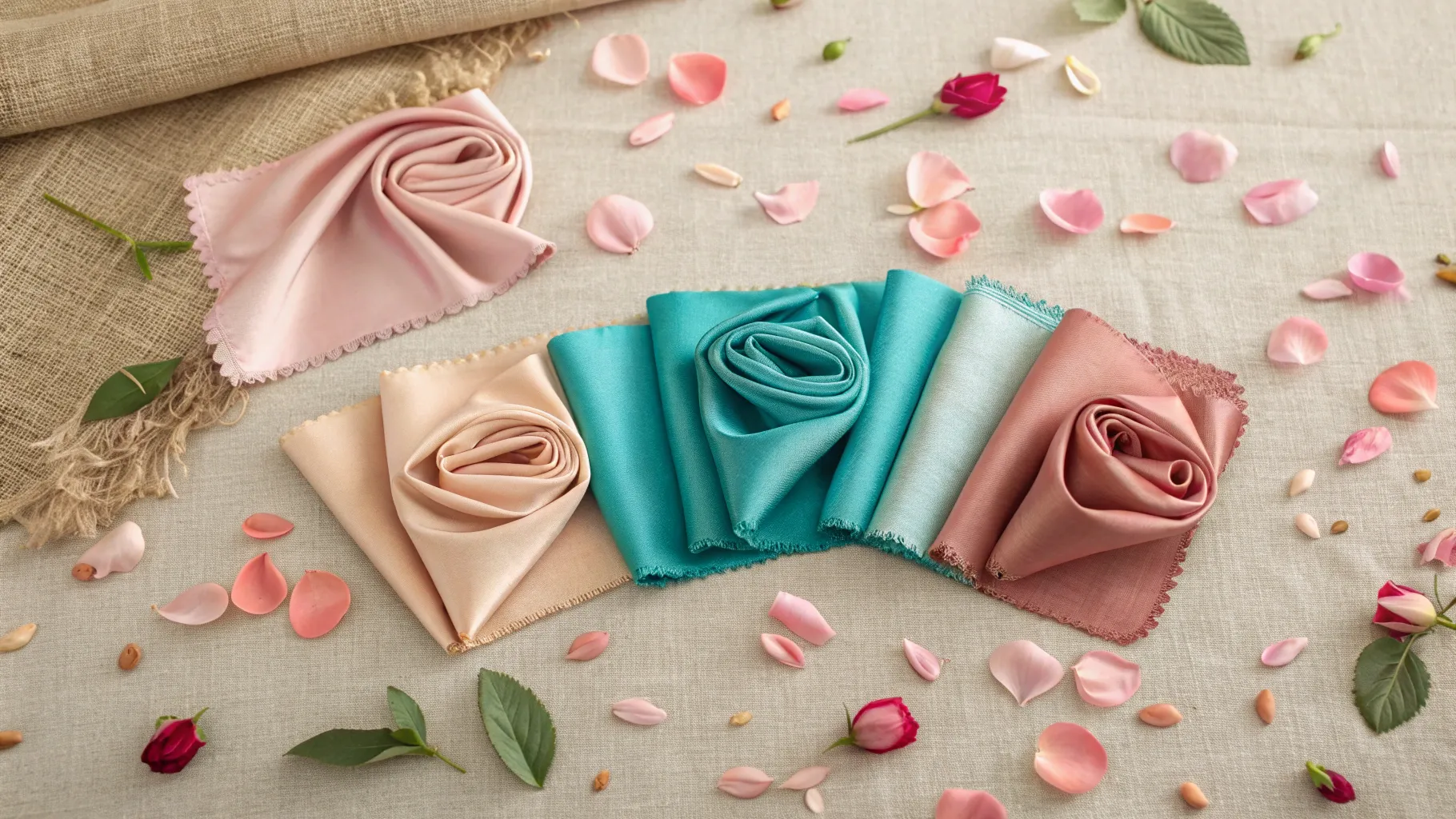
For nearly a decade, blush and rose gold dominated the wedding scene. From bridesmaid dresses to table settings, this combination was ubiquitous. While undeniably pretty, its oversaturation has led to it becoming one of the most recognizable old wedding colour trends. The ultra-feminine, almost glittery aesthetic can feel less sophisticated to the modern eye. Instead of this popular duo, consider palettes with more depth, such as dusty rose paired with copper, or terracotta with cream and sage green. These alternatives offer warmth and romance without feeling like a trend that has passed its peak.
2. Mint and Coral
A darling of the early 2010s, the mint and coral combination was a go-to for spring and summer weddings. Its bright, cheerful vibe was perfect for outdoor and rustic events. However, this specific pairing is now strongly associated with that particular era, making it one of the more prominent past wedding colour palettes. Its high contrast and specific shades can feel limiting and less organic than the colour stories popular today. For a fresh take on a colourful wedding, consider a broader palette of sorbet tones like lemon, raspberry, and peach, or a more grounded scheme of sage green, pale blue, and mustard.
3. Burlap, Lace, and Mason Jars
While not a colour combination in the strictest sense, the 'rustic chic' aesthetic defined by burlap brown, lace white, and neutral tones had a powerful reign. This look, heavily reliant on texture, is now often viewed as one of the 5 outdated wedding colour themes. The overuse of these materials can make a wedding feel less like a personal celebration and more like a recreation of a popular Pinterest board from 2014. To achieve a modern rustic feel, elevate the palette. Swap burlap for raw linen, and introduce a richer colour like deep emerald, navy, or burgundy to ground the neutrals. This approach retains the organic feel while adding a layer of modern sophistication, moving away from traditional wedding colours used in this specific context.
4. Bright Jewel Tones (Fuchsia & Turquoise)
In the early 2000s, bold and vibrant colour combinations like fuchsia and turquoise or bright purple and orange were all the rage. These palettes were meant to be fun, energetic, and eye-catching. Today, these highly saturated combinations are often seen as wedding colours outdated because they can be visually overwhelming and lack the subtlety of contemporary palettes. Modern approaches to colour favour nuance and complexity. If you love jewel tones, consider using a more muted version of a single colour, like emerald or sapphire, as a statement accent against a backdrop of sophisticated neutrals like charcoal, ivory, and taupe.
5. Tiffany Blue and White
This is a classic that has, for many, crossed the line into cliché. The iconic blue is so intrinsically linked to the famous jewelry brand that it can be difficult to make it feel unique to the couple. Because of its strong brand association, it's often listed among old wedding colour trends that can feel impersonal or theme-y. Instead of this specific, bright aqua, explore the broader family of blues. A dusty French blue, a deep navy, or a soft powder blue can offer the same classic, elegant feel without the brand baggage, allowing your wedding's style to be truly your own.
How to Choose a Timeless Wedding Colour Palette
Avoiding past wedding colour palettes is easier when you have a clear strategy. The goal is to select colours that will look as beautiful in your photos twenty years from now as they do today. Here is some actionable advice for creating a lasting and beautiful colour scheme.
- Look to Your Venue: Take cues from your ceremony and reception locations. Incorporate the existing colours of the architecture, landscape, and decor to create a cohesive and natural look.
- Draw from the Season: Let nature be your guide. Seasonal palettes—like soft pastels for spring, warm earth tones for autumn, or rich greens and berries for winter—tend to have a timeless quality.
- Focus on a Mood: How do you want your wedding to feel? Romantic and soft? Dramatic and elegant? Modern and minimalist? Choose colours that evoke that specific emotion.
- Build Around Neutrals: A strong foundation of neutral colours like ivory, cream, dove grey, or sand provides a timeless base. You can then layer in one or two accent colours for personality without the risk of the scheme feeling dated quickly.
- Create a Detailed Mood Board: Collect images that you love, from floral arrangements to fashion and interior design. This will help you identify a consistent colour story that feels authentic to you, rather than just chasing one of the fleeting old wedding colour trends.
Frequently Asked Questions
How can I modernize traditional wedding colours?
You can modernize traditional colours like navy, gold, or burgundy by adjusting their context and pairings. For instance, instead of a classic navy and gold, try a deep navy with a more contemporary metallic like copper. Pair burgundy with dusty pink and sage green for a softer, more romantic feel. It's about using them as a component of a larger, more nuanced palette.
Are there any wedding colours outdated for good?
While trends are cyclical, some colour combinations are so strongly tied to a specific decade that they may take a very long time to come back into style, if ever. The key is to avoid palettes that feel like a direct copy of a bygone era. The goal is to create a palette that is personal to you, which will inherently make it feel more timeless than simply adopting a trend, whether it's current or one of the past wedding colour palettes.
References
- Bridal Fashion and Decor Annual Reports
- Interviews with International Wedding Planners
- Pantone Color Institute Wedding Trend Archives
- Historical Analysis of Wedding Photography Styles