5 Stomach Cancer Warning Signals You Must Not Ignore: Early Signs & Symptoms
Facts:
- Stomach cancer is often diagnosed at a late stage.
- Early detection dramatically improves survival rates for patients with gastric cancer symptoms.
Decoding Your Body's Alarms: Key Gastric Cancer Symptoms to Monitor
Recognizing the early signs stomach cancer presents can be challenging, as they often mimic common digestive ailments. However, understanding these critical alerts is paramount for timely diagnosis and treatment. Many people dismiss initial discomfort, wondering, 'do i have stomach cancer?' only when symptoms become severe. This guide is designed to detail the top 5 stomach cancer warning signals, helping you differentiate between minor issues and potentially serious stomach cancer symptoms. Paying close attention to your body's signals is the first and most crucial step in proactive health management.
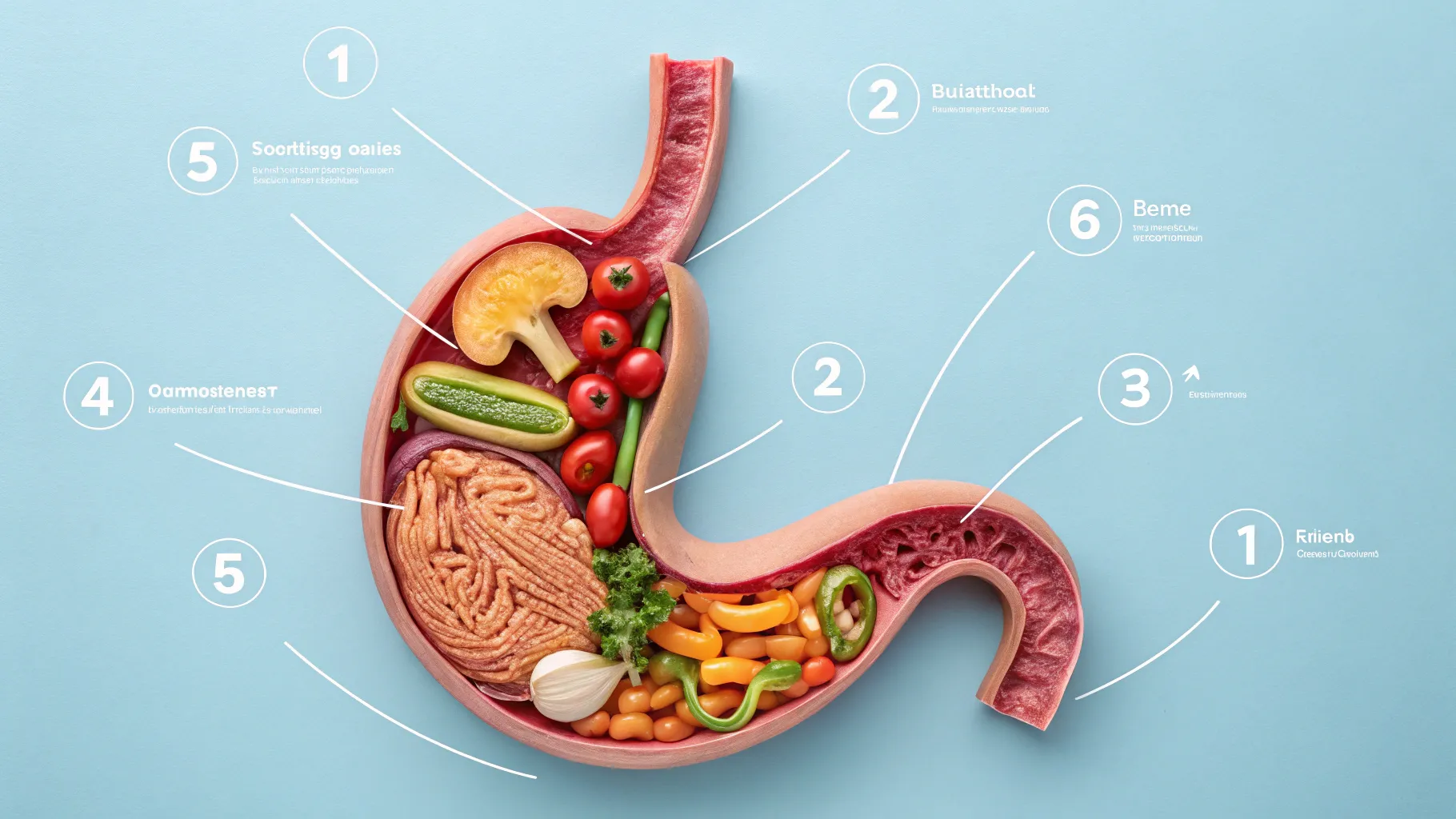
The 5 Stomach Cancer Warning Signals You Need to Know
When your body sends signals, it's vital to listen. While these symptoms can be caused by various other conditions, their persistence or worsening over time should prompt a medical consultation. Here are the crucial 5 stomach cancer warning signs that warrant your attention.
1. Persistent Indigestion, Heartburn, or Discomfort
One of the most common yet overlooked early signs stomach cancer might manifest as persistent indigestion (dyspepsia) or a burning sensation in the chest (heartburn). Unlike occasional indigestion after a heavy meal, this discomfort is chronic, recurring, and doesn't fully resolve with over-the-counter antacids. It's often described as a nagging pain or discomfort in the upper abdomen. This symptom arises as a tumor grows and interferes with the stomach's normal digestive processes. If you find yourself constantly reaching for antacids and the problem persists for more than a few weeks, it's a significant signal among the 5 stomach cancer warning signs to discuss with your doctor.
2. Unexplained and Unintentional Weight Loss
Losing weight without changing your diet or exercise routine can be a serious red flag. Significant, unexplained weight loss is one of the key stomach cancer symptoms. This can happen for several reasons related to the disease. The cancer itself can alter your metabolism. Furthermore, the discomfort and feeling of fullness caused by the tumor can lead to a loss of appetite, making you eat less than usual. If you've lost a noticeable amount of weight without trying, it's essential to investigate the underlying cause, as this is a critical component of potential gastric cancer symptoms.
3. Abdominal Pain or Vague Discomfort
Persistent pain in the abdomen, particularly in the upper region around the navel, is a worrying symptom. Initially, the pain might be vague and mild, but as the tumor grows, it can become more severe and constant. This is different from the occasional stomach ache; it's a consistent presence. This pain is a direct result of the tumor invading the stomach lining and surrounding tissues. If you're constantly asking yourself, 'do i have stomach cancer?' due to unyielding abdominal pain, seeking medical advice is crucial. This symptom is a cornerstone of the main 5 stomach cancer warning signals.
4. Feeling Full After a Small Meal (Early Satiety)
Early satiety, or the sensation of feeling full after eating only a small amount of food, is another important warning sign. A tumor can reduce the stomach's capacity to hold food or make the stomach wall less flexible, triggering the feeling of fullness much earlier than normal. This can lead to reduced food intake and contribute to the unintentional weight loss mentioned earlier. If you consistently find you can't finish even small meals that you previously enjoyed without issue, it's a significant change that should be evaluated as one of the key early signs stomach cancer.
5. Nausea, Vomiting, and Difficulty Swallowing
While occasional nausea is common, persistent nausea that isn't related to other illnesses is a concern. In some cases, this may progress to vomiting, which might contain blood (either bright red or dark, coffee-ground-like material). Additionally, difficulty swallowing (dysphagia) can occur if the tumor is located in the upper part of the stomach, near the esophagus. This creates a sensation that food is getting stuck in your throat. These are more advanced stomach cancer symptoms, and their presence demands immediate medical attention.
What to Do If You Notice These Warning Signs
If you experience one or more of these 5 stomach cancer warning signs, especially if they are persistent, it is essential not to panic but to take proactive steps. Early consultation can lead to a better prognosis.
- Consult Your Doctor: Schedule an appointment with your healthcare provider to discuss your symptoms in detail. Be specific about when they started, their frequency, and their severity.
- Keep a Symptom Diary: Track your symptoms, what you eat, and how you feel. This information can provide your doctor with valuable clues to understand the pattern of your gastric cancer symptoms.
- Discuss Your Risk Factors: Be prepared to talk about your personal and family medical history, including any history of stomach cancer, H. pylori infection, or other gastrointestinal issues.
- Undergo Diagnostic Testing: Your doctor may recommend tests such as an upper endoscopy, which allows them to look directly at your stomach lining and take a biopsy if necessary to confirm or rule out a diagnosis.
Frequently Asked Questions
Are these always considered stomach cancer symptoms?
No, not always. Many of these symptoms, such as indigestion and nausea, are common and can be caused by less serious conditions like gastritis, peptic ulcers, or gastroesophageal reflux disease (GERD). The key is persistence. If these symptoms are new, severe, or last for more than a few weeks, it's crucial to see a doctor to rule out serious causes.
When should I start to worry and think 'do i have stomach cancer'?
You should be concerned if the symptoms are persistent, worsening over time, or if you experience more than one of the key warning signs simultaneously, such as unexplained weight loss combined with abdominal pain. Additionally, if you have known risk factors like a family history of stomach cancer, you should have a lower threshold for seeking medical evaluation for any new digestive symptoms.
What are the main risk factors for developing gastric cancer symptoms?
Major risk factors include chronic infection with Helicobacter pylori (H. pylori) bacteria, a diet high in smoked, salted, or pickled foods, smoking, and a family history of stomach cancer. Age is also a factor, with risk increasing significantly after the age of 50. Recognizing these risk factors can help in being more vigilant about potential symptoms.
References
- National Cancer Institute: Stomach (Gastric) Cancer–Patient Version
- American Cancer Society: Signs and Symptoms of Stomach Cancer
- World Health Organization: Cancer Fact Sheets
- Mayo Clinic: Stomach Cancer Symptoms & Causes