Early Warning Signs of Stroke: A Comprehensive Guide to Symptoms
Facts:
- A stroke occurs every 40 seconds in the United States.
- Increasing global focus on public stroke awareness information.
Decoding the Onset: How to Identify Critical Stroke Symptoms
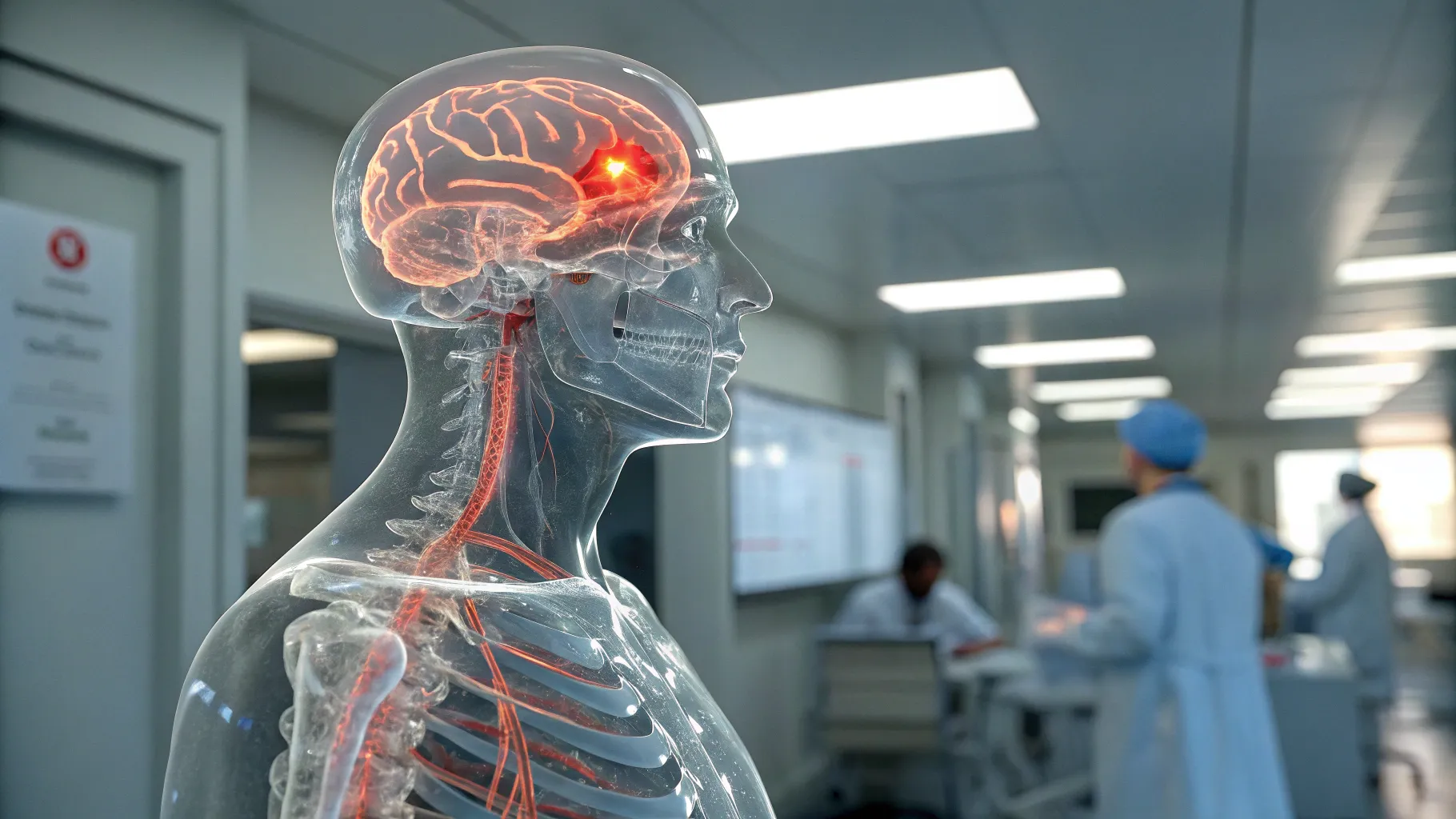
Recognizing the early warning signs of stroke is one of the most powerful tools you have to protect yourself and your loved ones. A stroke, often called a 'brain attack,' occurs when blood flow to an area of the brain is cut off, depriving brain cells of oxygen and causing them to die. The speed of intervention is paramount, and that intervention begins with public knowledge and accessible stroke awareness information. Understanding these signs is not just about medical knowledge; it's about empowering individuals to act decisively in a critical moment, which can significantly alter the outcome and reduce the risk of long-term disability. This guide provides essential details on the most common and subtle indicators.
The F.A.S.T. Acronym: A Lifesaving Checklist
The F.A.S.T. acronym is a cornerstone of public health campaigns for a reason: it's simple, memorable, and covers the most common stroke warning symptoms. Time is brain, and every second counts. Committing this to memory is a crucial step in being prepared.
F is for Face Drooping
One of the most visible early stroke signs is sudden facial weakness. Ask the person to smile. Does one side of the face droop or feel numb? The smile may appear uneven or lopsided. This is a clear indicator that something is wrong and requires immediate medical attention.
A is for Arm Weakness
Sudden weakness or numbness in one arm is another key symptom. A simple test is to ask the person to raise both arms. Does one arm drift downward? They may be unable to lift one arm as high as the other, which is significant neurological symptom information pointing towards a potential stroke.
S is for Speech Difficulty
A stroke can profoundly affect a person's ability to speak and be understood. They may slur their speech, use incorrect words, or be unable to speak at all. Ask the person to repeat a simple sentence, like 'The sky is blue.' If they cannot repeat it correctly, it's a serious warning sign.
T is for Time to Call Emergency Services
If you observe any of these signs, even if the symptoms seem to disappear, it is time to call your local emergency number immediately. Note the time when the first symptoms appeared, as this information is critical for medical professionals in determining treatment options.
Beyond F.A.S.T.: Subtle and Atypical Early Stroke Signs
While F.A.S.T. is an excellent tool, it doesn't encompass all possible stroke warning symptoms. Being aware of a wider range of signs improves the chances of prompt recognition. These symptoms can appear suddenly and without warning. Important brain health signs to watch for include a sudden, severe headache often described as the 'worst headache of my life,' sudden trouble seeing in one or both eyes, or sudden difficulty walking, accompanied by dizziness, loss of balance, or coordination. These are all part of the crucial body of stroke awareness information that the public should know.
Understanding Transient Ischemic Attacks (TIAs)
A Transient Ischemic Attack (TIA), often called a 'mini-stroke,' produces stroke-like symptoms but is temporary. The blockage is brief, and there is no permanent damage. However, TIAs are a massive red flag. They are often critical early stroke signs that a full-blown stroke may be imminent. Anyone who experiences TIA symptoms must seek immediate medical evaluation. Ignoring this crucial piece of neurological symptom information is a dangerous gamble, as it provides a valuable window for preventative action to protect your long-term brain health signs.
Proactive Steps and Reducing Your Stroke Risk
While knowing the symptoms is vital, prevention is always the best strategy. Managing key health metrics is essential. High blood pressure is the single biggest risk factor for stroke. Regular monitoring and management are crucial. Other important steps include quitting smoking, managing diabetes, maintaining a healthy diet low in saturated fats, engaging in regular physical activity, and maintaining a healthy weight. This kind of proactive health management is the most important stroke awareness information for long-term well-being.
What To Do When You Spot Stroke Warning Symptoms
If you suspect someone is having a stroke, your actions can make a life-changing difference. Here is what you must do:
- Call Emergency Services Immediately: Do not hesitate or wait for symptoms to improve. This is a medical emergency.
- Note the Time: Try to remember when the first symptoms appeared. This is critical for doctors to decide on treatments like tPA (tissue plasminogen activator), which must be administered within a specific time window.
- Do Not Give Medication: Avoid giving the person any medication, food, or drink, as it could pose a choking hazard if their swallowing ability is impaired.
- Stay with the Person: Offer reassurance and keep them comfortable until medical help arrives. If they are unconscious, position them on their side to prevent them from choking on any vomit.
Frequently Asked Questions
Can early warning signs of stroke appear and then disappear?
Yes, this can happen during a Transient Ischemic Attack (TIA). Even if symptoms resolve, it is a major warning of a future stroke and requires immediate medical attention. It's crucial stroke awareness information.
Are stroke warning symptoms different for men and women?
While both men and women experience common symptoms like facial drooping and arm weakness, women may be more likely to report atypical symptoms like general weakness, disorientation, or fatigue. Recognizing these diverse brain health signs is important.
What is the most important piece of neurological symptom information to remember?
The most critical thing to remember is that stroke symptoms are sudden. The abrupt onset of numbness, confusion, vision problems, or a severe headache is a hallmark of a stroke and demands an emergency response.
References
- American Stroke Association Guidelines
- National Institute of Neurological Disorders and Stroke (NINDS)
- Centers for Disease Control and Prevention (CDC) - Stroke Facts
- World Health Organization (WHO) - Stroke, Cerebrovascular Accident Data