5 Supplements That Are Being Studied for Dementia Prevention
As global populations age, interest in maintaining cognitive health and preventing conditions like dementia has grown significantly. While there is no guaranteed way to prevent cognitive decline, research has highlighted the importance of lifestyle factors, including diet and nutrition. Certain dietary supplements have garnered attention for their potential role in supporting brain health, although it's crucial to understand that they are not a substitute for a healthy lifestyle or medical treatment. This article explores five supplements that are being studied for their potential effects on the brain.
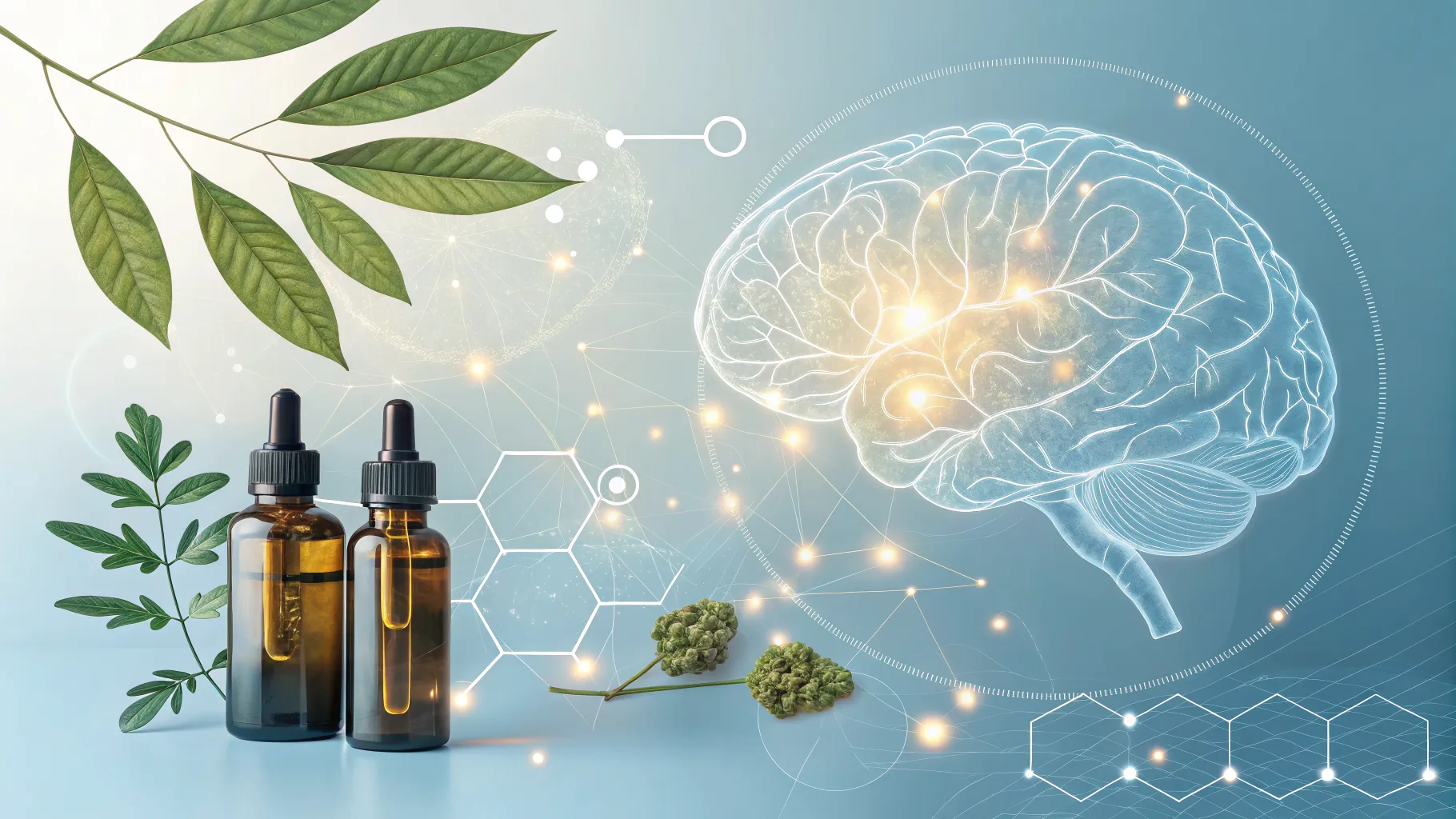
Understanding the Role of Supplements in Brain Health
Supplements can help fill nutritional gaps in a person's diet, providing compounds that may be beneficial for cellular function, including in the brain. The brain is a highly metabolic organ that is vulnerable to oxidative stress and inflammation, two processes implicated in the development of neurodegenerative diseases. Many supplements being investigated for dementia prevention possess antioxidant or anti-inflammatory properties.
It is important to approach this topic with a balanced perspective. Research is ongoing, and the evidence for many supplements is still emerging. A nutrient-rich diet, regular physical activity, and mental stimulation remain the cornerstones of any strategy for promoting long-term cognitive wellness. Supplements should be considered a potential addition to this foundation, not a replacement for it.
1. Omega-3 Fatty Acids
Omega-3 fatty acids, particularly docosahexaenoic acid (DHA), are fundamental components of brain cell membranes. DHA plays a vital role in neuronal structure and function, and maintaining adequate levels is believed to be essential for healthy cognitive aging. These fatty acids also have powerful anti-inflammatory effects, which can help protect the brain from damage.
The primary sources of beneficial omega-3s are fatty fish like salmon, mackerel, and sardines. For individuals who do not consume fish regularly, fish oil or algal oil supplements are common alternatives. Studies have suggested a link between higher omega-3 intake and a reduced risk of cognitive decline, though research continues to clarify the precise benefits and optimal dosages for dementia prevention.
2. B Vitamins (Folate, B6, and B12)
A group of B vitamins, specifically folate (B9), pyridoxine (B6), and cobalamin (B12), are critical for brain health because of their role in regulating homocysteine levels. Homocysteine is an amino acid, and elevated levels in the blood have been associated with an increased risk of cognitive impairment, stroke, and dementia. These B vitamins work together to help break down homocysteine, preventing it from accumulating.
Deficiencies in B vitamins, especially B12, are more common in older adults. Food sources include leafy greens, legumes, meat, and fortified cereals. When dietary intake is insufficient, supplementation may be recommended by a healthcare provider to help maintain normal homocysteine levels and support overall neurological function.
3. Vitamin D
Often called the 'sunshine vitamin,' Vitamin D is a hormone that plays numerous roles in the body, including in the brain. Receptors for vitamin D are found throughout brain tissue, and it is believed to have neuroprotective effects. It may help modulate the immune system and assist in clearing amyloid plaques, a key feature of Alzheimer's disease.
Several large observational studies have linked low levels of vitamin D to a significantly higher risk of developing dementia. While the body can produce vitamin D from sun exposure, many people have insufficient levels due to geographic location, skin tone, or lifestyle. Food sources are limited but include fatty fish and fortified milk, making supplementation a common strategy to ensure adequacy.
4. Antioxidants: Vitamins C and E
The brain consumes a large amount of oxygen, making it highly susceptible to oxidative stress caused by unstable molecules called free radicals. This cellular damage is thought to contribute to the aging process and the development of neurodegenerative diseases. Antioxidants are substances that can neutralize free radicals, protecting cells from harm.
Vitamins C and E are two powerful antioxidants that work together to defend the body. Vitamin E is a fat-soluble vitamin found in nuts, seeds, and vegetable oils, while Vitamin C is a water-soluble vitamin abundant in fruits and vegetables. Some research suggests that a diet rich in these vitamins may be associated with a lower risk of cognitive decline. While getting these nutrients from whole foods is best, supplements are also available.
5. Curcumin and Ginkgo Biloba
Beyond vitamins and minerals, certain herbal compounds are also being explored. Curcumin is the active ingredient in turmeric, a spice known for its potent anti-inflammatory and antioxidant properties. Preclinical studies suggest that curcumin may help clear amyloid plaques and reduce brain inflammation, but more human clinical trials are needed to confirm its effectiveness.
Ginkgo biloba is another herbal supplement that has been traditionally used to support cognitive function. It is thought to work by improving blood flow to the brain and acting as an antioxidant. However, scientific evidence regarding its ability to prevent dementia is mixed, with some major studies finding no significant benefit. As with any supplement, it's important to be aware of the state of the research and potential side effects.
Always Consult a Healthcare Professional
Before starting any new supplement regimen, it is essential to speak with a doctor or registered dietitian. Supplements are not regulated in the same way as pharmaceuticals, and their quality can vary. A healthcare professional can help you determine if you have any nutritional deficiencies and if a supplement is appropriate for you.
They can also provide guidance on proper dosage and warn you about potential interactions with any medications you are taking. Self-prescribing can be risky, and professional advice ensures that your approach to health is both safe and effective. This personalized guidance is key to making informed decisions about your well-being.