Your Guide to a 5-Day All-Inclusive Danube River Cruise
A five-day journey along the Danube River offers a wonderful snapshot of Central Europe's history, culture, and stunning landscapes. Unlike longer voyages, a shorter cruise provides a concentrated experience, perfect for those with limited time or who are new to river cruising. It allows you to visit iconic cities and charming towns without the stress of constant packing and travel planning.
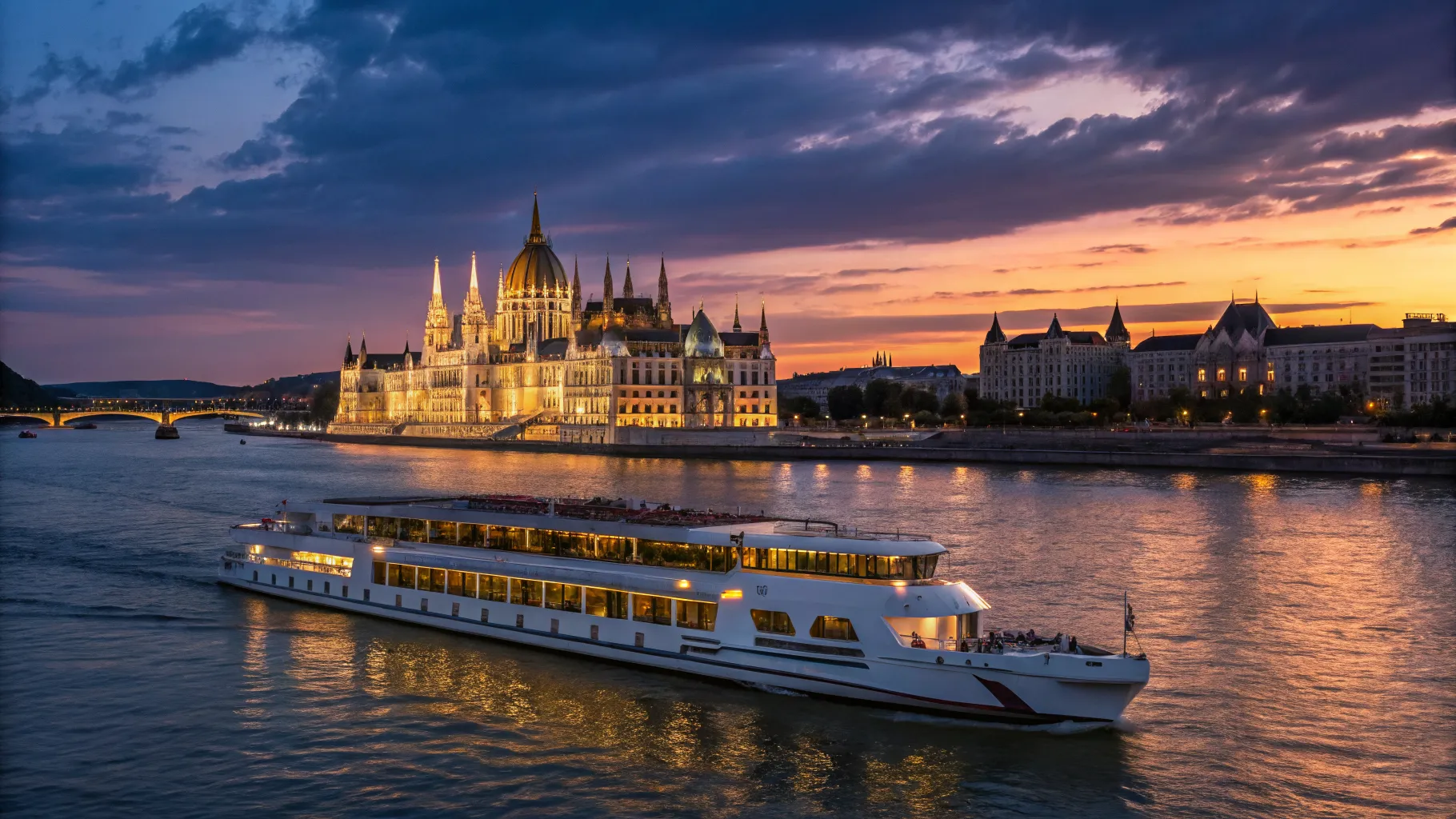
What to Expect from a 5-Day Itinerary
A 5-day Danube river cruise is designed to maximize your time, blending scenic sailing with immersive port visits. The pace is generally relaxed, allowing you to enjoy the views from the ship's sundeck or lounge as you glide past castles, vineyards, and forests. Because the duration is shorter, these itineraries typically focus on a specific, popular segment of the river, often between cities like Vienna, Budapest, and Bratislava, or exploring a scenic stretch like the Wachau Valley.
You can expect a well-organized schedule that includes guided shore excursions at each stop. These tours are usually led by local experts and provide deep insights into the history and culture of the destination. Free time is also built into the schedule, giving you the opportunity to explore on your own, shop for souvenirs, or simply relax at a riverside cafe.
Understanding the 'All-Inclusive' Experience
The term 'all-inclusive' can vary between cruise lines, so it is important to understand what is typically covered. Generally, an all-inclusive Danube river cruise includes your stateroom accommodation, all onboard meals (breakfast, lunch, and dinner), and a selection of beverages like wine, beer, and soft drinks, especially during mealtimes. Many lines also include Wi-Fi and at least one complimentary shore excursion in each port.
However, some items are often excluded from the base price. These can include gratuities for the crew, premium alcoholic beverages or specialty coffees, spa treatments, and optional, more specialized shore excursions. Before booking, it's wise to review the specific terms of the cruise package to understand exactly what is included and what will be an additional expense.
Common Routes and Itinerary Highlights
Most 5-day Danube cruises focus on the stretch of river that flows through Austria, Slovakia, and Hungary, which is rich with capital cities and UNESCO World Heritage sites. A popular route runs between Vienna and Budapest, often including a stop in Bratislava. This allows travelers to experience the imperial grandeur of Vienna, the historic charm of Bratislava's Old Town, and the dramatic beauty of Budapest, the 'Pearl of the Danube'.
Another common itinerary might explore the Wachau Valley in Austria, a region renowned for its vineyards, picturesque villages like Dürnstein, and the magnificent Melk Abbey. These shorter cruises provide a taste of the region's highlights, making them an excellent introduction. The journey itself is a key part of the experience, with daytime sailing designed to showcase the most scenic parts of the river.
Life and Amenities Onboard the Ship
River cruise ships are much smaller and more intimate than their ocean-going counterparts, typically hosting between 100 and 200 guests. This creates a friendly, sociable atmosphere onboard. Staterooms are comfortable and efficiently designed, with many featuring French balconies or full step-out verandas for private river views. Public areas usually include a main lounge with a bar, a restaurant, and a sundeck with ample seating for watching the scenery go by.
Dining is a central part of the river cruise experience. Meals are often served in a single, open-seating dining room, allowing you to dine with different people each night if you wish. Chefs frequently use locally sourced ingredients to create menus that reflect the regions you are sailing through. Onboard entertainment is typically low-key, consisting of live music from a resident musician, educational lectures, or local cultural performances brought onboard in the evenings.
Choosing the Right Cruise for You
When selecting a 5-day Danube cruise, it's helpful to consider several factors to find the best fit. Different cruise lines cater to different tastes and budgets, from ultra-luxury operators with butler service and gourmet dining to more budget-conscious options that offer excellent value. Consider the style of travel you prefer. Some lines focus on active excursions like guided cycling and hiking, while others may offer more traditional walking tours or culinary experiences.
Pay attention to the ship's age, amenities, and the guest-to-staff ratio, as these can significantly impact your experience. Reading reviews and comparing the inclusions of different packages is a crucial step. Look at the specific shore excursions offered to see if they align with your interests, as this is a major component of any river cruise.
Packing and Preparation Tips for Your Trip
Packing for a 5-day cruise is relatively straightforward. The key is to bring comfortable, layered clothing that can adapt to changing weather conditions. Even in summer, evenings on the river can be cool. Essential items to pack include:
- Comfortable walking shoes for shore excursions.
- Smart casual attire for evening dinners; formal wear is rarely required.
- A light, waterproof jacket and an umbrella.
- Sunscreen, a hat, and sunglasses for time spent on the sundeck.
- A reusable water bottle to stay hydrated during tours.
- A universal power adapter for European outlets to charge your devices.
Before you leave, ensure your passport is valid for at least six months beyond your travel dates. It is also a good idea to inform your bank of your travel plans to avoid any issues with your credit or debit cards. While many places accept cards, having some local currency (Euros or Hungarian Forint) on hand for small purchases can be very convenient.