The Ultimate 14-Day Trips to Japan for Seniors: A Complete Itinerary
Facts:
- Japan is known for its exceptional accessibility and public transport.
- Slow travel is a rising trend for retiree Japan travel guide seekers.
Crafting the Perfect Senior-Friendly Japanese Adventure
Embarking on a journey to Japan is a dream for many, and with careful planning, it can be an incredibly rewarding experience for mature travelers. This guide is specifically designed to outline the perfect 14 day trips to japan for seniors, focusing on comfort, accessibility, and cultural immersion. We will explore a thoughtfully paced schedule that blends iconic sights with relaxing experiences, ensuring your japan travel for seniors is both memorable and manageable. This comprehensive senior japan itinerary is the ultimate resource for your adventure.
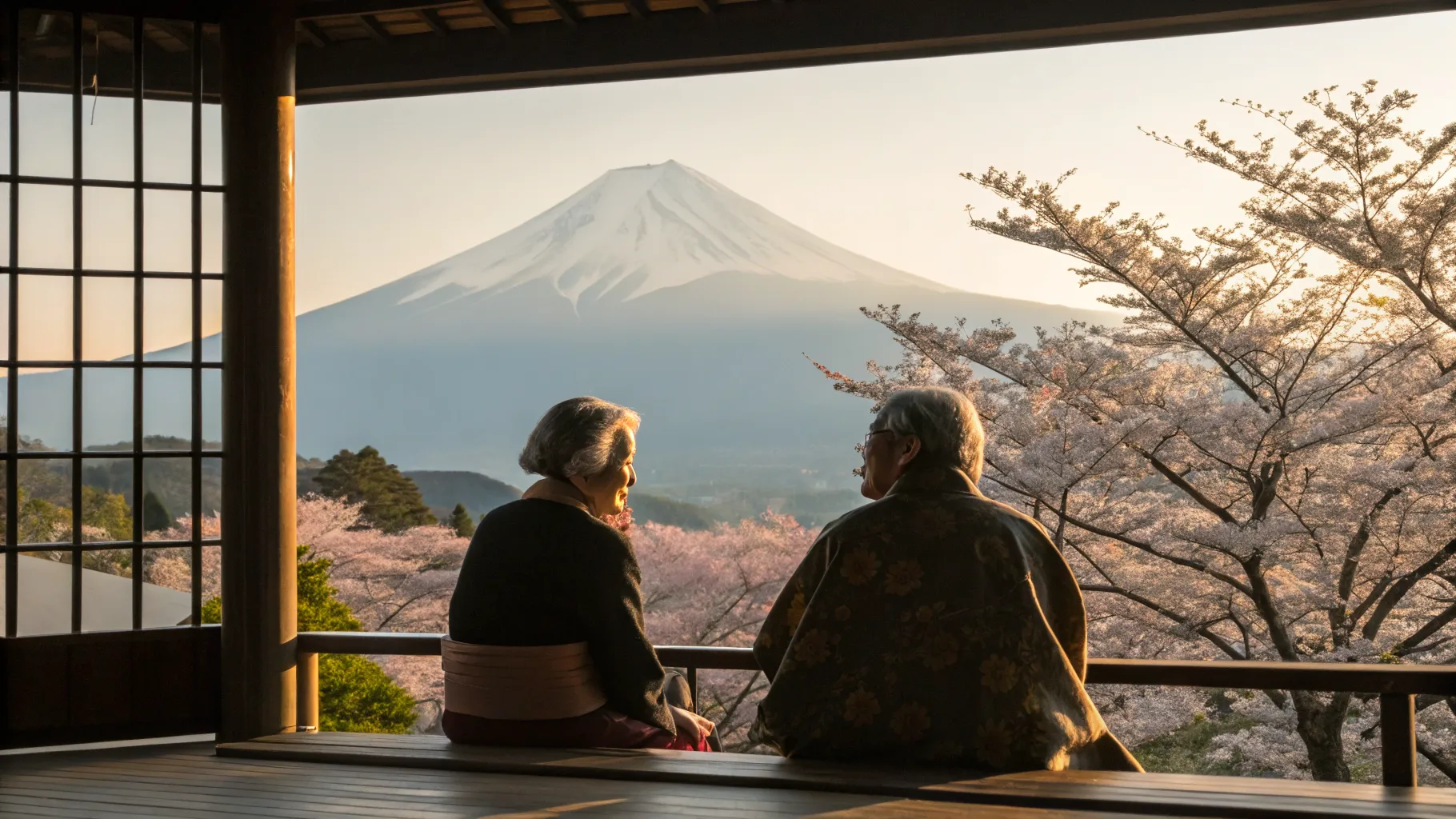
Your Detailed 14-Day Senior Japan Itinerary
This itinerary is designed with a relaxed pace, minimizing daily travel and maximizing enjoyment. It's a cornerstone of effective japan trip planning for older adults, ensuring you see the best of the country without feeling rushed. Each day is curated to be accessible and culturally rich.
Days 1-4: Tranquil Tokyo Exploration
Upon arrival at Narita (NRT) or Haneda (HND) airport, take a pre-booked accessible taxi or the comfortable Limousine Bus directly to your hotel. We recommend staying in areas like Shinjuku or Ginza for their excellent transport links and amenities. Spend your first four days exploring Tokyo's serene side. Visit the Meiji Jingu Shrine, stroll through the tranquil Shinjuku Gyoen National Garden, and explore the Ueno Park, home to several museums. Consider a relaxing Sumida River cruise for a different perspective of the city. This start to your 14 day trips to japan for seniors is all about acclimatization.
Days 5-6: Hakone's Majestic Views and Hot Springs
Travel via the Shinkansen (bullet train) to Odawara, then take a local train to Hakone. This part of the retiree japan travel guide focuses on relaxation. Stay in a traditional Ryokan with its own onsen (hot spring) for an authentic experience. Enjoy the Hakone Ropeway for stunning views of Mount Fuji (weather permitting) and a gentle cruise on Lake Ashi. The Hakone Open-Air Museum is also a fantastic, largely accessible attraction with beautiful sculptures set against a mountain backdrop.
Days 7-10: The Cultural Heart of Kyoto
Kyoto is the cultural soul of Japan and a must-see on any senior japan itinerary. We've allocated four days to explore its wonders at a leisurely pace. Visit the iconic Kinkaku-ji (Golden Pavilion), the serene Arashiyama Bamboo Grove (go early to avoid crowds), and the flat, easy-to-walk paths of Fushimi Inari Shrine's lower levels. Spend an evening in the Gion district, the famous geisha area. Prioritizing private tours or taxis can make navigating the city's temples much easier, a key tip for japan travel for seniors.
Days 11-12: Nara's Deer and Osaka's Delights
A short, comfortable train ride from Kyoto brings you to Nara, Japan's first permanent capital. The main attraction, Nara Park, is where friendly deer roam free. The Todai-ji Temple, housing a giant Buddha statue, is a flat walk from the park entrance. In the afternoon, continue to Osaka. Dedicate the next day to exploring Osaka Castle and the vibrant Dotonbori district for its incredible food scene. This is a culinary highlight in our japan trip planning for older adults.
Days 13-14: Return to Tokyo and Departure
Take a comfortable morning Shinkansen back to Tokyo. Spend your last full day enjoying some last-minute, relaxed souvenir shopping in the Nihonbashi district, known for its traditional crafts and department stores. Enjoy a final, high-quality Japanese dinner. On day 14, take your pre-arranged accessible transport to the airport for your flight home, filled with wonderful memories from your perfectly paced trip.
Essential Japan Trip Planning for Older Adults
Proper planning is crucial for a smooth journey. Here are some actionable tips to ensure your trip is comfortable and stress-free, forming a key part of any retiree japan travel guide.
- Accommodation: Choose hotels with Western-style beds and elevators. Many traditional ryokans now offer rooms with beds instead of futons on the floor. Always check accessibility features before booking.
- Transportation: The Japan Rail Pass is excellent value, but consider purchasing Green Car (first-class) passes for more space and comfort. Pre-booking seats is essential. For city travel, use Pasmo or Suica cards and don't hesitate to use taxis for shorter distances to save energy.
- Pacing: Do not over-schedule your days. Plan for one major sight in the morning and one in the afternoon, with plenty of time for rest, meals, and spontaneous discoveries. This is the most important aspect of a successful senior japan itinerary.
- Luggage: Utilize Japan's excellent luggage-forwarding services (takkyubin). Send your large suitcases from one hotel to the next and travel with only a small overnight bag. This is a game-changer for japan travel for seniors.
- Health & Insurance: Carry a list of your medications (both generic and brand names) and a doctor's note if necessary. Purchase comprehensive travel insurance that covers medical emergencies and trip cancellations.
Comparing Travel Styles: Guided Tours vs. Independent Travel
When considering 14 day trips to japan for seniors, a major decision is whether to join a guided tour or travel independently. Guided tours designed for seniors handle all logistics, from transport to accommodation, which can be very relaxing. They often move at a slower pace and include accessible activities. However, independent travel offers unparalleled flexibility. You can create a custom senior japan itinerary based entirely on your interests and pace. With tools like Google Maps and services like luggage forwarding, independent japan travel for seniors has become increasingly manageable and rewarding. A hybrid approach, where you travel independently but book day tours for specific locations, can also be an excellent compromise.
Best Time to Visit Japan for Seniors
The best time for a senior to visit Japan is during the spring (March to May) for cherry blossoms or autumn (October to November) for the vibrant fall foliage. These seasons offer pleasant, mild weather, which is ideal for walking and sightseeing. The summer is hot and humid, while winter can be cold, although less crowded. When undertaking japan trip planning for older adults, shoulder seasons like late May or early October can offer a great balance of good weather and fewer crowds, making the experience more comfortable.
Frequently Asked Questions
Is Japan a good travel destination for seniors with mobility issues?
Absolutely. Japan is one of the most accessible countries in the world. Major train stations have elevators and escalators, and many temples and attractions have accessible routes. The 'shinkansen' bullet trains are easy to board. This makes japan travel for seniors surprisingly manageable, even with some mobility limitations.
What should I pack for a 14-day trip to Japan?
Pack comfortable walking shoes, layers of clothing to adapt to changing temperatures, any necessary prescription medications with a doctor's note, and a travel adapter. It's also wise to have some yen in cash for smaller shops and temples, although credit cards are widely accepted.
How can I create a budget for a senior Japan itinerary?
Your budget will depend on your travel style. Key costs include flights, accommodation, the Japan Rail Pass, food, and entrance fees. A good retiree japan travel guide will suggest budgeting around $200-$300 USD per person per day for a comfortable mid-range trip, excluding international flights.
References
- Japan National Tourism Organization (JNTO)
- Accessible Japan Travel Guides
- Ministry of Health, Labour and Welfare of Japan
- Senior Travel Advisory Reports