Discover 10 Plants That Bloom With Little Water for a Thriving Drought-Tolerant Garden
Facts:
- Gardening in dry climates is a growing trend.
- Drought tolerant flowers are essential for sustainable landscapes.
Cultivating Beauty: Exploring 10 Resilient Low Water Flowering Plants
In an era where water conservation is paramount, cultivating a garden that thrives with minimal irrigation is not just an eco-conscious choice but a smart one. Many assume that a water-wise garden must sacrifice vibrant blooms, but this couldn't be further from the truth. This comprehensive guide unveils 10 plants that bloom with little water, proving that beauty and sustainability can coexist. From sun-baked patios to expansive desert landscapes, these resilient species offer a spectacular display of color without demanding constant hydration, making them perfect low water flowering plants for any climate-conscious gardener. Embrace the beauty of resilience and discover how to create a stunning, vibrant garden that requires significantly less water, contributing positively to local ecosystems and your utility bills.
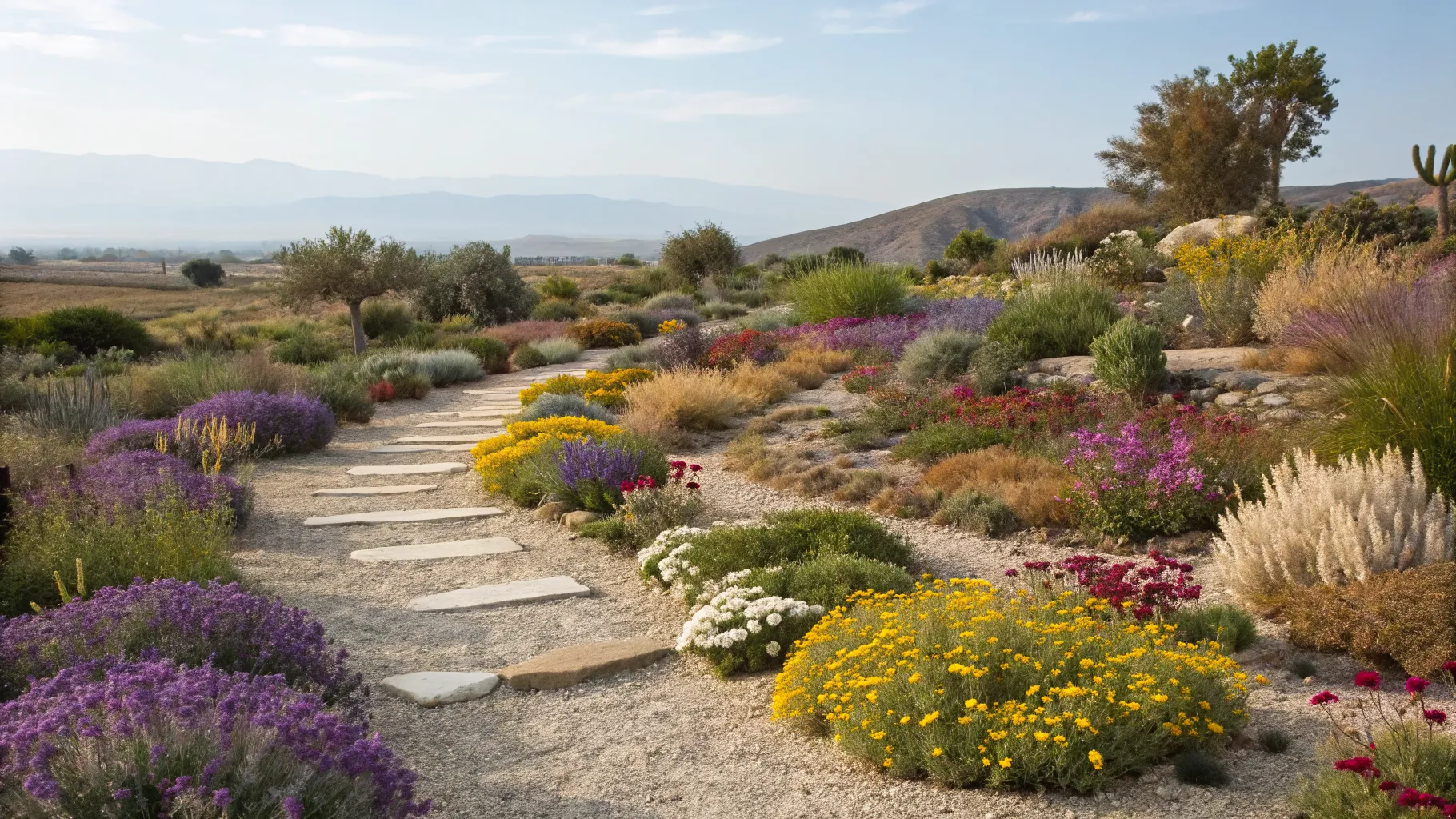
Top 10 Resilient Plants for Your Water-Wise Garden
Building a garden that is both beautiful and sustainable starts with selecting the right flora. The following list details 10 plants that bloom with little water, each chosen for its hardiness, aesthetic appeal, and minimal irrigation needs, making them ideal water wise garden plants for various climates.
1. Agastache (Hyssop)
Agastache, often known as Hyssop or Hummingbird Mint, is a spectacular choice for those seeking drought tolerant flowers. These herbaceous perennials produce airy spikes of tubular flowers in shades of purple, pink, orange, and white, which are irresistible to hummingbirds and bees. They thrive in full sun and well-drained soil, tolerating dry conditions once established. Agastache's aromatic foliage adds another layer of sensory pleasure to the garden, making it a multifaceted addition to any xeriscape.
2. Gaillardia (Blanket Flower)
Gaillardia, or Blanket Flower, is a perennial known for its bright, daisy-like blooms that typically feature warm hues of red, orange, and yellow, often with contrasting tips. These cheerful low water flowering plants bloom profusely from early summer until frost, providing continuous color even in arid conditions. They are incredibly tough, preferring full sun and poor to average, well-drained soil, making them perfect flowers for dry conditions and a favorite for naturalized areas and wildflower gardens.
3. Lavender (Lavandula)
Beyond its iconic fragrance, Lavender is one of the most beloved water wise garden plants. Hailing from the Mediterranean, it is perfectly adapted to dry, sunny climates. Its silvery-green foliage and spikes of fragrant purple flowers create a serene and elegant display. Once established, Lavender requires very little water, thriving in full sun and well-drained, even rocky, soil. It's an excellent choice for borders, rock gardens, and sensory gardens, enhancing any landscape with its charm and resilience.
4. Sedum (Stonecrop)
Sedum, or Stonecrop, encompasses a vast group of succulents renowned for their ability to store water in their fleshy leaves, making them exceptionally drought tolerant flowers. They come in various forms, from groundcovers to upright varieties, and produce clusters of star-shaped flowers that bloom from summer into fall, often attracting pollinators. Sedums require minimal care, flourishing in full sun and very well-drained soil, making them reliable low water flowering plants for virtually any dry spot in the garden.
5. Yarrow (Achillea)
Yarrow is a hardy perennial admired for its fern-like foliage and flat-topped clusters of flowers in shades of yellow, white, pink, and red. These vibrant blooms appear throughout the summer, providing long-lasting color. Yarrow is extremely resilient, thriving in full sun and poor, dry soils, which solidifies its position among the best flowers for dry conditions. It's a fantastic plant for cutting gardens, borders, and naturalized areas, known for its ability to withstand heat and drought with ease.
6. Coreopsis (Tickseed)
Coreopsis, also known as Tickseed, offers a burst of sunshine with its bright yellow, orange, and red daisy-like flowers. These prolific bloomers provide continuous color from late spring through fall, making them indispensable among 10 plants that bloom with little water. Coreopsis prefers full sun and well-drained soil and is highly tolerant of heat and drought. Its cheerful disposition and low-maintenance nature make it an ideal choice for borders, containers, and mass plantings in any water-wise landscape.
7. Salvia (Sage)
The Salvia genus is incredibly diverse, offering a wide range of sizes, colors, and forms, many of which are excellent drought tolerant flowers. From vibrant blues and purples to fiery reds, Salvias provide continuous spikes of bloom that attract hummingbirds and butterflies. Many varieties are native to arid regions, making them naturally adapted to dry conditions once established. They generally prefer full sun and well-drained soil, proving to be versatile and beautiful low water flowering plants.
8. Purple Coneflower (Echinacea purpurea)
Purple Coneflower is a quintessential American perennial, celebrated for its iconic daisy-like flowers with prominent central cones and rose-purple petals. These striking blooms appear in mid-summer and last for many weeks, providing a vital nectar source for pollinators. Echinacea is incredibly adaptable and, once established, is very tolerant of dry conditions, making it an excellent addition to any collection of water wise garden plants. It thrives in full sun and well-drained soil, bringing both beauty and ecological benefit.
9. Russian Sage (Perovskia atriplicifolia)
Russian Sage is a showstopper, offering a unique blend of silvery foliage and airy spikes of lavender-blue flowers. It blooms from mid-summer into fall, providing a long season of interest and an ethereal, softening effect in the garden. This plant is exceptionally hardy and one of the best flowers for dry conditions, thriving in full sun and very poor, dry, well-drained soil. Its strong, upright habit and delightful fragrance make it a superb choice for hot, dry borders and xeriscapes.
10. Verbena bonariensis (Brazilian Verbena)
Verbena bonariensis is an elegant and airy perennial known for its tall, slender stems topped with clusters of small, vivid purple flowers. It creates a see-through effect in the garden, allowing other plants to be viewed through its delicate structure. This plant is a fantastic choice for those seeking 10 plants that bloom with little water, as it is incredibly drought tolerant and thrives in full sun with well-drained soil. It's a magnet for butterflies and adds dynamic movement and continuous color to any landscape.
Choosing the Best Low Water Flowering Plants for Your Landscape
Selecting the right low water flowering plants for your specific microclimate and aesthetic preferences is key to a successful water-wise garden. Consider factors such as the amount of direct sunlight your garden receives, soil type, and the overall design you envision. Perennials like Lavender and Agastache offer long-term structure and return year after year, establishing deep root systems that enhance their drought tolerance. Annuals, though requiring replanting, can provide seasonal bursts of color in containers or as fillers while your perennial drought tolerant flowers become established. Native species, such as Echinacea, are often the most naturally adapted to local conditions, requiring minimal intervention once planted. When integrating these flowers for dry conditions, think about their mature size and spread to ensure they have adequate space to thrive without competing for the limited moisture available. Grouping plants with similar water needs, known as hydrozoning, is also a highly effective strategy to conserve water and ensure all your water wise garden plants flourish optimally. This thoughtful approach not only maximizes the visual impact but also reinforces the sustainability principles of your garden.
Tips for Nurturing Your Water Wise Garden Plants
- Proper Soil Preparation: Even though these are drought tolerant flowers, good drainage is crucial. Amend heavy clay soils with organic matter like compost to improve aeration and drainage, preventing root rot.
- Strategic Planting: Plant your 10 plants that bloom with little water during the cooler seasons (fall or early spring) to allow them to establish a strong root system before the intense heat of summer.
- Efficient Watering Techniques: While established plants need little water, young plants require consistent watering. Water deeply and infrequently to encourage roots to grow deeper into the soil, seeking moisture, rather than shallowly.
- Mulching for Moisture Retention: Apply a 2-4 inch layer of organic mulch (e.g., wood chips, bark, or gravel) around your low water flowering plants. This reduces evaporation, suppresses weeds, and moderates soil temperature, significantly cutting down on water needs.
- Pruning for Health: Deadhead spent blooms to encourage more flowers and maintain a tidy appearance. Prune for shape and to remove any dead or diseased foliage, which also helps improve air circulation.
- Pest and Disease Management: While often more resilient, monitor your water wise garden plants for pests and diseases. Healthy plants are better able to withstand stressors, and early detection can prevent minor issues from escalating.
Frequently Asked Questions
Can 10 plants that bloom with little water truly create a colorful garden?
Absolutely! The plants listed, such as Gaillardia, Coreopsis, and Salvia, offer a wide spectrum of colors and bloom profusely. By carefully selecting a variety of species, you can achieve a vibrant and continuous display of color throughout the growing season, proving that drought tolerant flowers are anything but dull.
What's the best time to plant drought tolerant flowers?
The ideal time to plant most low water flowering plants is in the fall or early spring. This allows the plants to establish strong root systems in cooler, moister soil before the summer heat and dry conditions set in, enhancing their natural resilience and reducing initial watering needs.
Do low water flowering plants require special soil?
While most flowers for dry conditions prefer well-drained soil, they don't necessarily need