10 Incredible Places to Visit in Europe for Your Next Adventure
Planning a trip across the Atlantic or organizing a cross-continental journey requires knowing the best places to visit in Europe. With countless countries packed closely together, travelers can easily experience diverse cultures, languages, and landscapes in a single trip.
Whether you are looking for ancient history, world-class culinary scenes, or breathtaking natural vistas, Europe has a destination suited to your travel style. The following ten locations stand out as essential stops for anyone building their Europe travel guide.
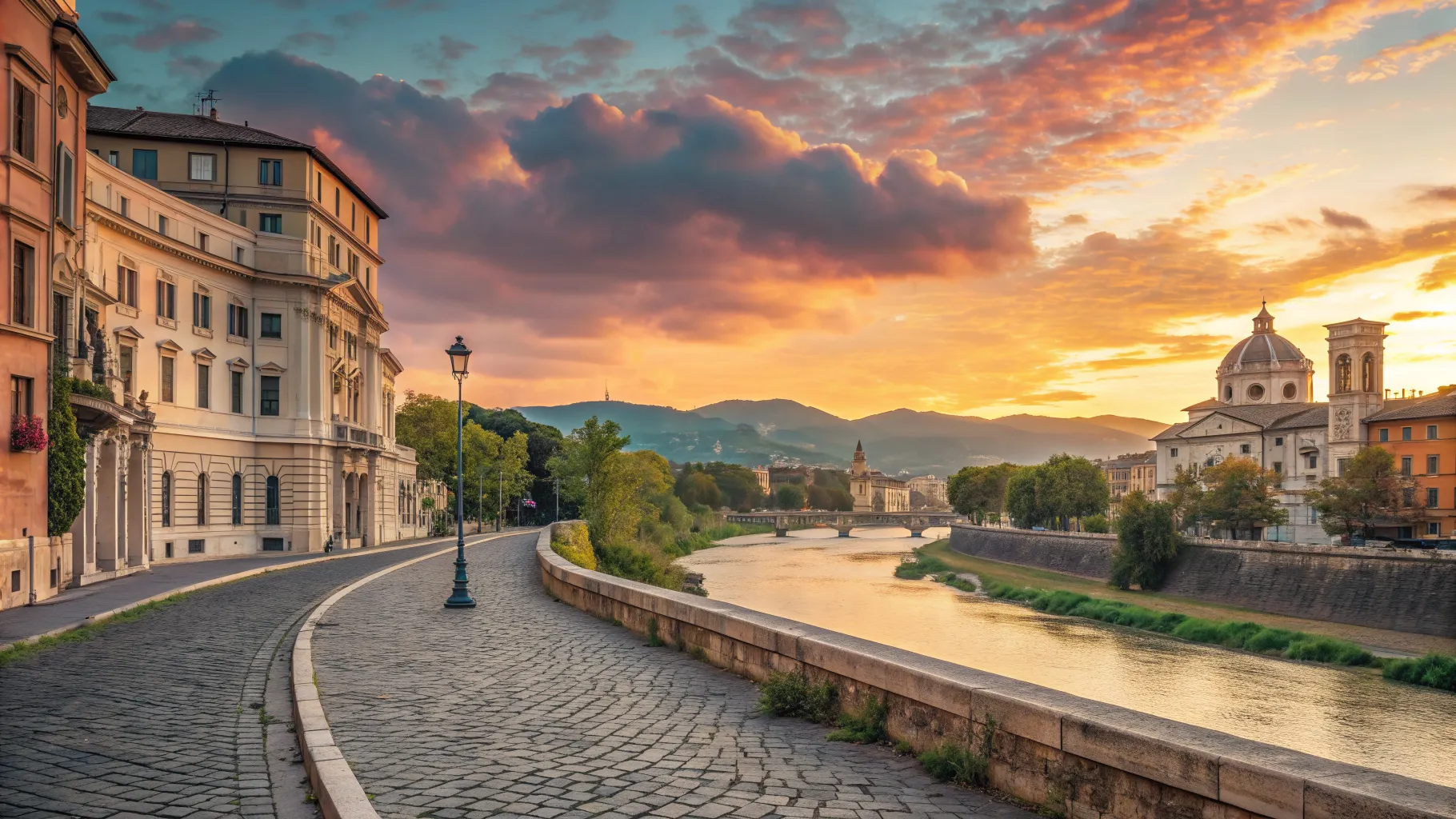
1. Paris, France
Paris remains one of the most iconic Europe travel destinations, drawing millions of visitors eager to see its world-famous landmarks. From the towering iron lattice of the Eiffel Tower to the intricate gothic architecture of Notre-Dame Cathedral, the city is a living museum of art and history. The Louvre Museum alone houses thousands of masterpieces, including the Mona Lisa, requiring days to fully appreciate.
Beyond the major monuments, the true charm of Paris lies in its neighborhoods. Strolling through the cobblestone streets of Montmartre or enjoying a coffee at a sidewalk cafe in the Marais district allows travelers to experience the daily rhythm of Parisian life. The culinary scene is equally celebrated, offering everything from fresh morning croissants at local bakeries to exquisite multi-course meals at Michelin-starred restaurants.
2. Rome, Italy
Known as the Eternal City, Rome offers a mesmerizing blend of ancient ruins, Renaissance art, and vibrant modern life. Walking through the city center feels like stepping back in time, especially when encountering the massive Colosseum or the sprawling ruins of the Roman Forum. These archaeological sites provide a tangible connection to the powerful empire that once ruled much of the known world.
Within the city limits lies Vatican City, the smallest independent state in the world and home to St. Peter's Basilica and the Sistine Chapel. After exploring these historic and religious sites, visitors can easily transition to enjoying traditional Roman cuisine. Neighborhoods like Trastevere are famous for their lively evening atmosphere and authentic trattorias serving classic pasta dishes like cacio e pepe and carbonara.
3. Barcelona, Spain
Barcelona stands out among beautiful European cities due to its unique architectural heritage and coastal location. The city is deeply intertwined with the work of Antoni Gaudi, whose fantastical designs dot the urban landscape. The Sagrada Familia, his unfinished masterpiece, features towering spires and incredibly detailed facades that look unlike any other religious structure in the world.
The Catalan capital also boasts a vibrant street life, best experienced by walking down the bustling Las Ramblas or exploring the narrow alleys of the Gothic Quarter. Because the city sits right on the Mediterranean Sea, travelers can seamlessly combine urban exploration with a relaxing afternoon on the beach. Tapas bars and fresh seafood markets further cement Barcelona as a top destination for food enthusiasts.
4. Amsterdam, Netherlands
Amsterdam is renowned for its picturesque canal system, historic houses, and extensive network of bicycle paths. The concentric rings of waterways were built during the Dutch Golden Age and are now recognized as a UNESCO World Heritage site. Taking a boat tour or simply walking along the tree-lined canals provides endless opportunities for scenic photography and peaceful reflection.
The city is also a major cultural hub, housing impressive collections of art and history. The Rijksmuseum features vast displays of Dutch masterpieces, while the Van Gogh Museum holds the largest collection of the artist's work in the world. The Anne Frank House offers a sobering but essential historical experience, reminding visitors of the city's complex past during World War II.
5. Santorini, Greece
For those seeking spectacular coastal scenery, the Greek island of Santorini is one of the most breathtaking Europe trip ideas. Famous for its whitewashed cubic buildings with bright blue domes, the island's architecture contrasts beautifully against the deep azure waters of the Aegean Sea. The towns of Oia and Fira are perched high on volcanic cliffs, offering panoramic views that are especially famous during sunset.
Beyond its postcard-perfect towns, Santorini has a fascinating geological history shaped by a massive volcanic eruption thousands of years ago. This volcanic past has left the island with unique beaches featuring red and black sand. Visitors can also explore ancient ruins, such as the Minoan site of Akrotiri, and sample distinct local wines produced from grapes grown in the mineral-rich volcanic soil.
6. Prague, Czech Republic
Prague, often called the City of a Hundred Spires, is widely considered one of the best-preserved historical centers in Europe. Unlike many other major cities, Prague largely escaped the destruction of 20th-century wars, leaving its medieval, baroque, and renaissance architecture intact. The Charles Bridge, adorned with statues and busy with local artisans, connects the Old Town with the Lesser Town across the Vltava River.
Overlooking the entire city is Prague Castle, a massive complex of palaces, churches, and fortifications that has served as the seat of power for centuries. In the Old Town Square, visitors gather to watch the intricate Astronomical Clock perform its hourly mechanical show. The city is also famous for its historic pub culture, where travelers can enjoy traditional hearty Czech cuisine alongside globally respected local pilsners.
7. Vienna, Austria
Vienna exudes imperial grandeur, reflecting its long history as the capital of the Habsburg Empire. The city is defined by magnificent palaces such as Schonbrunn and the Hofburg, which feature lavish interiors and expansive manicured gardens. Architecture enthusiasts will appreciate the grand boulevards of the Ringstrasse, lined with monumental public buildings, museums, and the renowned Vienna State Opera.
The Austrian capital is synonymous with classical music, having been home to legendary composers like Mozart, Beethoven, and Strauss. Experiencing a live concert in one of the city's historic venues is a highlight for many visitors. Additionally, Vienna's traditional coffeehouse culture invites travelers to slow down, order a slice of Sachertorte, and soak in the elegant, intellectual atmosphere that has characterized the city for generations.
8. Edinburgh, Scotland
Edinburgh offers a dramatic skyline dominated by an ancient castle perched atop an extinct volcano. The Scottish capital is divided into two distinct areas: the medieval Old Town with its winding cobblestone streets, and the Georgian New Town known for its neoclassical elegance. Both districts are recognized together as a UNESCO World Heritage site, offering a fascinating architectural contrast.
The Royal Mile serves as the main artery of the Old Town, connecting Edinburgh Castle at the top with the Palace of Holyroodhouse at the bottom. The city is deeply atmospheric, often shrouded in a light mist that adds to its mysterious charm. Visitors can explore hidden underground vaults, hike up to Arthur's Seat for sweeping views of the region, or time their visit to coincide with one of the city's massive summer arts festivals.
9. Swiss Alps, Switzerland
While not a single city, the Swiss Alps region is an indispensable inclusion in any comprehensive Europe travel guide. This mountainous area offers some of the most dramatic and awe-inspiring natural landscapes on the continent. Towering peaks, deep valleys, and pristine alpine lakes provide year-round opportunities for outdoor recreation and scenic exploration.
In the winter, the region transforms into a premier destination for skiing and snowboarding, with world-class resorts located in towns like Zermatt and St. Moritz. During the warmer months, the snow melts to reveal lush green meadows and hundreds of miles of hiking trails. The iconic Matterhorn stands as a symbol of the region, and scenic railway journeys like the Glacier Express offer comfortable ways to witness the breathtaking alpine vistas.
10. Dubrovnik, Croatia
Situated on the coast of the Adriatic Sea, Dubrovnik is surrounded by massive stone walls that have protected the city for centuries. Known as the Pearl of the Adriatic, the city features a stunning historic center paved in gleaming limestone and lined with well-preserved baroque buildings. Walking the full circuit of the ancient city walls provides unbeatable views of the terracotta roofs on one side and the sparkling sea on the other.
The city has gained significant popularity in recent years, making it one of the most sought-after Europe travel destinations. Beyond exploring the pedestrian-only streets of the Old Town, visitors can take a short cable car ride up Mount Srd for panoramic views of the coastline. The nearby Elaphiti Islands also offer excellent day-trip opportunities for those looking to escape the crowds and enjoy quiet coves and pine-shaded beaches.