10 Hairstyles That May Unintentionally Add Years
Hair is a powerful form of self-expression, but it can also significantly influence how old we are perceived to be. Certain classic styles can become dated, while some color and cutting techniques can create harsh lines or unflattering shadows. Understanding these common hair mistakes can help you choose a style that feels fresh, modern, and complementary to your features. The goal is not to follow rigid rules but to be aware of how different elements of a hairstyle can impact your overall look.
The Impact of Harsh Hair Color
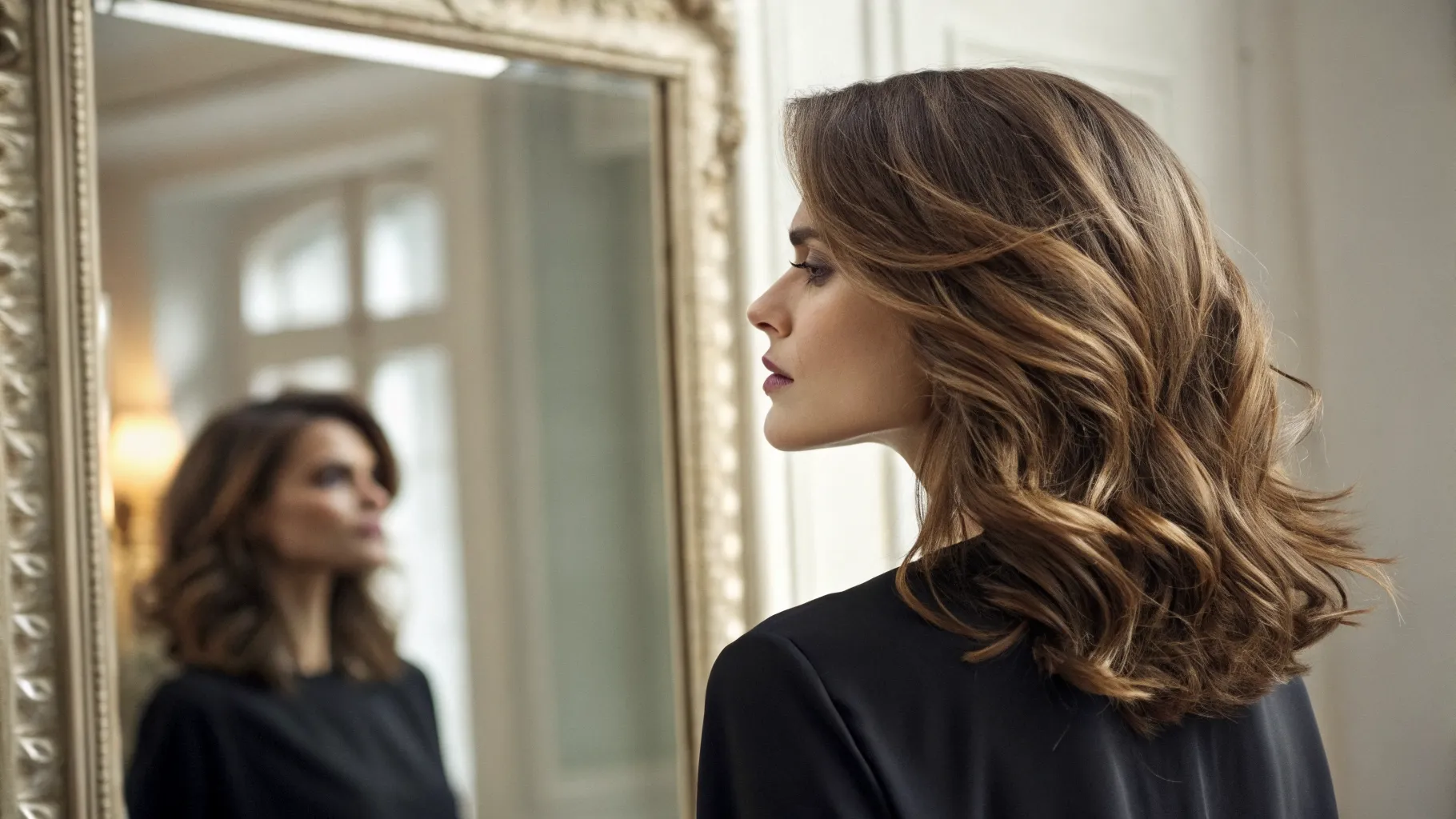
One of the most significant factors in a hairstyle is its color. A shade that is too dark or lacks dimension can have an aging effect. Solid, jet-black, or deep brunette dyes can look severe against skin that has naturally softened with age. This harsh contrast can emphasize fine lines and create unflattering shadows under the eyes and around the jawline, making you look tired and drawn.
Similarly, going too light can also be problematic. A uniform, platinum blonde or a color that has become brassy can wash out your complexion, making your skin appear dull. The key is often dimension. Adding subtle highlights, lowlights, or a balayage can break up a solid block of color, creating a softer, more natural effect that brightens the face and adds an illusion of volume and movement to the hair.
When Length Weighs You Down
Extremely long hair can sometimes work against a youthful appearance. While long, healthy hair is beautiful at any age, hair that is one length and without layers can hang heavily, visually dragging down your facial features. This effect can pull the eye downward, accentuating sagging in the jowl and eye area. The lack of movement can make the hair appear lifeless and flat.
Introducing strategic layers can solve this problem. Soft, face-framing layers add movement, create volume, and draw attention to your best features, like cheekbones or eyes. This doesn't mean you have to opt for a short haircut. Simply incorporating shaping and texture into long hair can provide a significant lift, making the overall style look more dynamic and energetic.
Outdated or Severe Cuts
Certain haircut shapes can look dated or create severe lines that are not flattering. For example, a very sharp, blunt bob that ends directly at the chin can create a hard, horizontal line that accentuates the jaw in an unflattering way. Likewise, extremely short, spiky cuts that were popular in previous decades can instantly date your look if not executed with a modern twist.
These styles often lack the softness that is more forgiving and flattering as we age. Modern interpretations of classic cuts tend to incorporate more texture and softer edges. A textured bob with subtle layers, for instance, offers a more contemporary and less severe alternative to a traditional blunt cut. The goal is to create a shape that moves with you and complements your facial structure rather than working against it.
Styling Habits That Might Age You
How you style your hair day to day is just as important as the cut and color. Overly teased hair, often called 'helmet hair' because of its stiff, immovable appearance, is a clear sign of a dated style. This look relies on heavy amounts of hairspray and backcombing that create an artificial, rigid shape. It lacks the natural movement and touchable texture that defines modern hairstyling.
Another common mistake is pulling hair back into an extremely tight, severe updo. While a sleek ponytail can be chic, a style that pulls harshly at the temples and hairline can look severe. It can also draw attention to thinning around the hairline and put unnecessary stress on the hair follicles. A softer approach, such as a looser bun or a ponytail with some volume at the crown and face-framing tendrils, often provides a more relaxed and youthful effect.
Rethinking Perms and Tight Curls
The tightly-wound, uniform curls of a traditional perm can often look unnatural and dated. While curls are timeless, the specific style of perm popular in the 80s and 90s can instantly add decades to your appearance. These perms created a very structured, poodle-like curl that lacks the variation and softness of natural waves or modern, looser perms.
If you love curls, the key is to aim for a more natural and less uniform pattern. Modern texturizing services can create soft waves or bouncy, varied curls that look more authentic. Using a curling iron with a larger barrel or learning techniques to create beachy waves can also help you embrace texture in a way that feels current and fresh rather than stuck in a past decade.
The Parting and Bangs Predicament
Even something as simple as where you part your hair can make a difference. A severe, dead-center part can be unforgiving, especially if your hair is thinning. It can draw direct attention to any sparseness at the crown or a widening part line. An off-center or side part is often a softer, more flattering option that can also create the illusion of more volume on top.
Bangs can be a fantastic way to look more youthful, but the wrong kind can have the opposite effect. Micro-bangs or extremely blunt, heavy bangs can look severe and close off the face. A softer, wispier bang or a side-swept fringe is generally easier to wear and does a better job of framing the eyes and cheekbones without creating harsh lines. The right bangs can conceal forehead lines, but the wrong ones can be difficult to style and unflattering.