10 Brain-Boosting Foods That May Help Prevent Dementia
As awareness of cognitive health grows, many people are exploring lifestyle changes that can support brain function well into their later years. While no single food can guarantee protection against dementia, a growing body of research suggests that certain dietary patterns and nutrient-rich foods can play a significant role. Incorporating specific foods packed with antioxidants, healthy fats, vitamins, and minerals can help protect the brain from damage and support its complex functions.
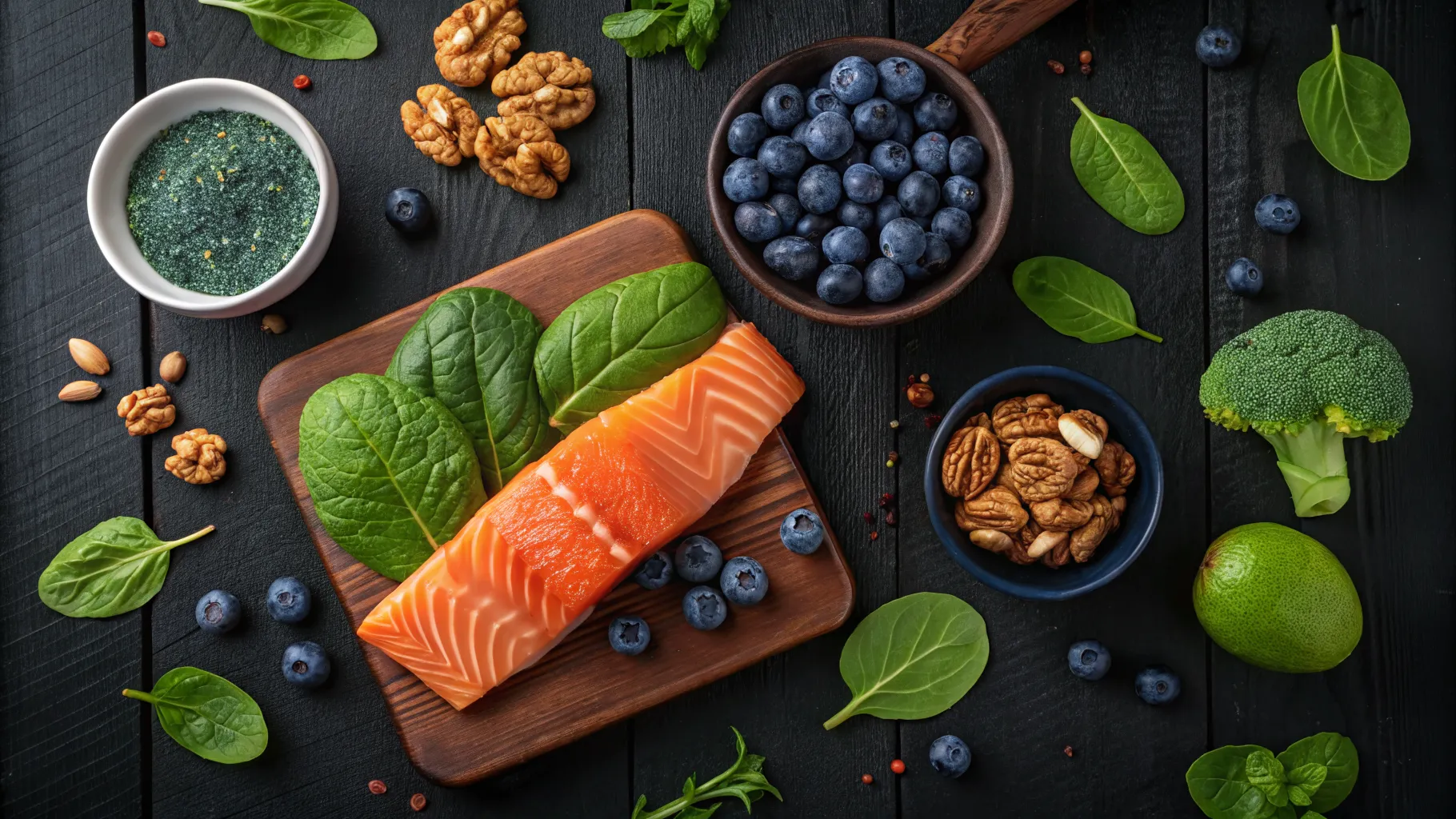
The Connection Between Nutrition and Brain Health
The brain is an incredibly active organ, consuming about 20 percent of the body's calories and nutrients. This means that what you eat directly impacts its structure and function. Diets rich in anti-inflammatory compounds and antioxidants help combat oxidative stress, a process that contributes to the aging of brain cells. Similarly, healthy fats are fundamental building blocks for the brain, while a steady supply of energy from complex carbohydrates keeps it running smoothly.
Adopting a brain-healthy eating pattern is not about restriction but about inclusion. By focusing on whole, unprocessed foods, you provide your brain with the diverse nutrients it needs to thrive. This approach supports not only cognitive health but also overall well-being, particularly cardiovascular health, which is closely linked to brain function. A healthy heart helps ensure the brain receives the oxygen-rich blood it needs to operate at its best.
1. Leafy Green Vegetables
Leafy greens are nutritional powerhouses for brain health. Vegetables like spinach, kale, collard greens, and arugula are loaded with nutrients linked to better cognitive outcomes. These include vitamin K, lutein, folate, and beta-carotene. Studies suggest that regular consumption of these vegetables may help slow down cognitive decline associated with aging.
These nutrients work in various ways to protect the brain. For instance, vitamin K is involved in the formation of sphingolipids, a type of fat that is densely packed into brain cells. Folate is crucial for neurological development and function, while antioxidants like lutein and beta-carotene help protect the brain from damaging free radicals.
2. Berries
Berries are not just delicious; they are also packed with flavonoids, the natural pigments that give them their vibrant colors. Research indicates that these flavonoids have antioxidant and anti-inflammatory effects that are beneficial for the brain. Blueberries, in particular, have been studied extensively for their potential to improve memory and delay the onset of age-related cognitive issues.
Including a variety of berries in your diet, such as strawberries, blackberries, and raspberries, can help reduce inflammation and improve communication between brain cells. These effects are thought to contribute to better learning capacity and motor control, making berries a valuable addition to any brain-focused diet.
3. Fatty Fish
When it comes to brain foods, fatty fish is often at the top of the list. Varieties like salmon, mackerel, tuna, and sardines are rich sources of omega-3 fatty acids. About half of the fat in the brain is composed of omega-3s, specifically docosahexaenoic acid (DHA), which is essential for maintaining the structure and function of brain cells.
Omega-3s are vital for learning and memory, and adequate levels may help lower the risk of cognitive decline and dementia. These healthy fats also have anti-inflammatory properties that protect the brain from cellular damage. For those who do not eat fish, other sources of omega-3s include flaxseeds, avocados, and walnuts, though the type of omega-3 they contain is different from that in fish.
4. Nuts and Seeds
Nuts and seeds are excellent sources of brain-healthy nutrients. They contain a mix of healthy fats, antioxidants, and vitamin E, which has been shown to protect cell membranes from free radical damage. Walnuts are particularly beneficial, as they are also a good plant-based source of omega-3 fatty acids.
Different nuts and seeds offer unique benefits. For example, almonds and sunflower seeds are rich in vitamin E, while pumpkin seeds are a great source of zinc, an important mineral for nerve signaling. A small handful of mixed nuts and seeds each day can be a simple way to support long-term brain health. Consider adding them to salads, yogurt, or oatmeal.
5. Whole Grains
The brain relies on a steady supply of energy, primarily in the form of glucose, to function correctly. Whole grains, with their low glycemic index, provide this sustained energy release. Unlike refined carbohydrates that can cause spikes and crashes in blood sugar, whole grains help maintain mental alertness throughout the day.
Foods like oats, quinoa, brown rice, and whole-wheat bread are also good sources of B vitamins, which are crucial for brain function. For instance, vitamin B6, B12, and folic acid (B9) are known to help reduce levels of homocysteine in the blood. Elevated levels of homocysteine have been linked to an increased risk of cognitive impairment and dementia.
6. More Powerful Foods for Cognitive Function
Beyond the primary categories, several other foods and spices offer unique brain-protective benefits. Incorporating a variety of these items can create a more robust, brain-healthy diet.
7. Turmeric
This deep yellow spice contains a compound called curcumin. Curcumin is a potent anti-inflammatory agent and antioxidant. It is capable of crossing the blood-brain barrier, which means it can directly enter the brain and benefit the cells. Research suggests it may help clear amyloid plaques, a hallmark of Alzheimer's disease.
8. Broccoli
Broccoli is another powerhouse vegetable, packed with antioxidants and vitamin K. A single cup of broccoli provides more than 100% of the recommended daily intake of vitamin K, which, as mentioned, is vital for healthy brain cell structure. It also contains compounds that have anti-inflammatory effects.
9. Dark Chocolate
Good news for chocolate lovers. Dark chocolate and cocoa powder are rich in flavonoids, caffeine, and antioxidants. The flavonoids in chocolate gather in the areas of the brain that deal with learning and memory. Researchers suggest these compounds may enhance memory and help slow down age-related mental decline. Look for dark chocolate with a high cocoa content for the most benefits.
10. Coffee and Tea
Your morning cup of coffee or tea may do more than just boost your focus. The caffeine in these beverages can increase alertness and improve concentration. Furthermore, both are sources of antioxidants. Green tea, in particular, contains L-theanine, an amino acid that can increase calming neurotransmitter activity, providing a smoother energy boost without the jitteriness some experience from coffee.
Putting It All Together: Brain-Healthy Diets
While individual foods have specific benefits, overall dietary patterns appear to have the greatest impact on brain health. Diets like the Mediterranean diet and the MIND diet (Mediterranean-DASH Intervention for Neurodegenerative Delay) are consistently associated with better cognitive function and a lower risk of dementia.
These eating patterns emphasize fresh vegetables and fruits, whole grains, nuts, seeds, legumes, and fish, while limiting red meat, sweets, and processed foods. The key takeaway is to focus on a balanced, varied diet rich in whole foods. By consistently making nutrient-dense choices, you can effectively support your brain's health for years to come.