Early Signs of Liver Problems You Shouldn't Ignore
The liver is one of the body's most vital organs, performing hundreds of essential functions, from filtering toxins to aiding digestion. Because it works so hard behind the scenes, problems can sometimes develop quietly. Recognizing the early signs of liver trouble is crucial for seeking timely medical advice and maintaining overall health.
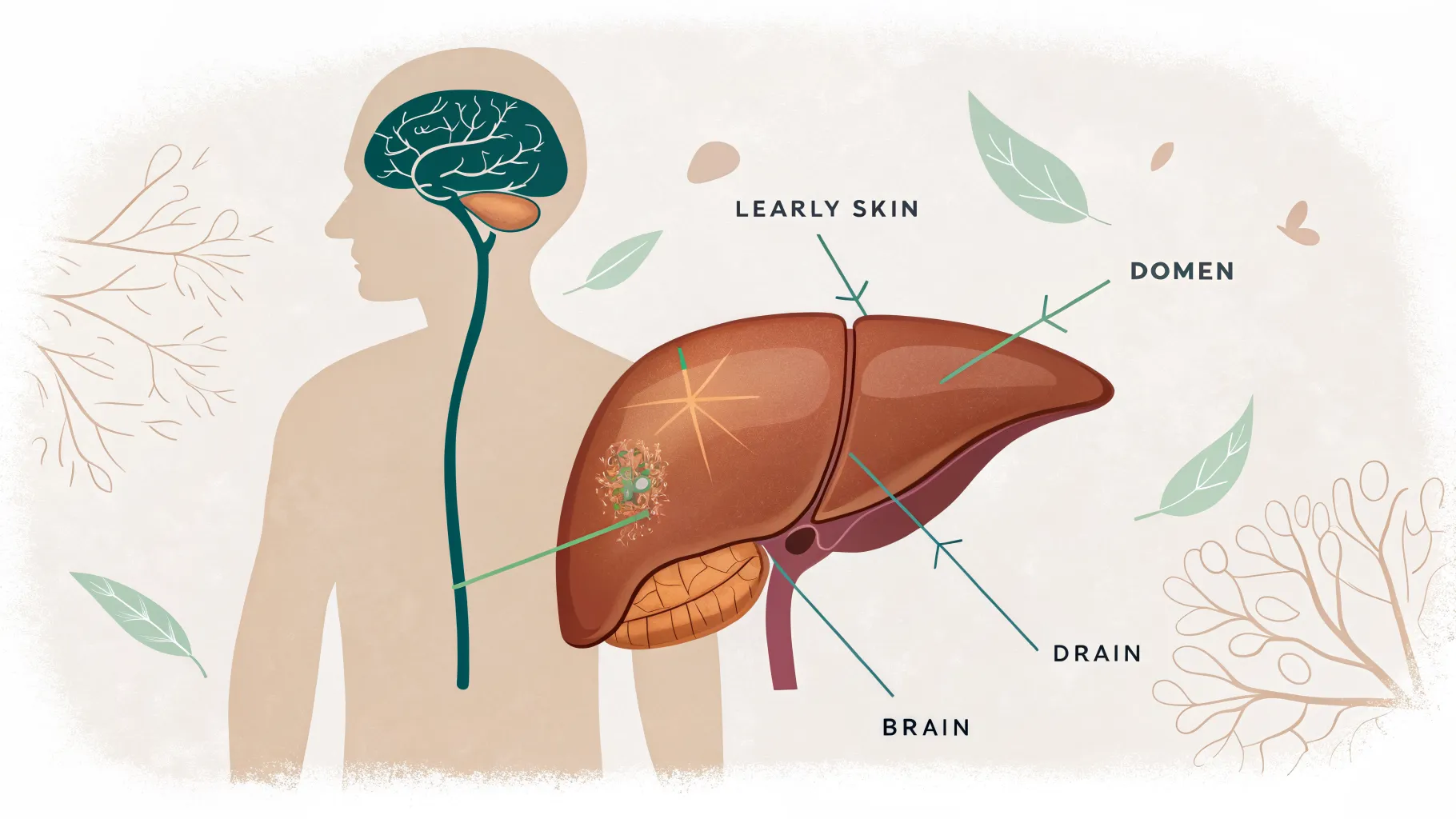
Subtle Skin Changes as a Warning Sign
Changes in your skin can be one of the first visible indicators that your liver isn't functioning properly. While many associate yellowing of the skin and eyes (jaundice) with liver disease, this is often a sign that the condition has progressed. Earlier, more subtle signs can appear first and should not be overlooked.
Pay attention to persistent itchy skin, known medically as pruritus, that occurs without a visible rash. This can happen when bile products build up in the blood. Other signs include the appearance of small, spider-like blood vessels on the skin (spider angiomas) or a tendency to bruise or bleed easily. The liver produces proteins necessary for blood clotting, so when it's impaired, you may notice more frequent bruising or prolonged bleeding from minor cuts.
Digestive Discomfort and Abdominal Changes
Since the liver plays a key role in digestion, it's not surprising that early problems can manifest as digestive issues. You might experience a persistent feeling of nausea, a sudden loss of appetite, or unexplained weight loss. These symptoms occur because the liver's ability to process nutrients and produce bile, which helps break down fats, may be compromised.
Another significant sign is discomfort or pain in the upper right area of your abdomen, where the liver is located. This can feel like a dull, persistent ache. In some cases, you might notice swelling in your abdomen, a condition called ascites. This is caused by a buildup of fluid and is a serious sign that points to significant liver dysfunction and requires prompt medical evaluation.
Changes in Urine and Stool Color
The appearance of your waste products can provide important clues about your liver's health. The liver processes bilirubin, a yellow pigment formed from the breakdown of red blood cells. When the liver is unable to process bilirubin properly, it can be excreted through the kidneys, causing urine to become unusually dark, like the color of tea or cola, even if you are drinking enough water.
Similarly, changes in your stool can be revealing. Healthy stool gets its typical brown color from bile salts released by the liver. If the liver isn't producing enough bile or if its flow is blocked, stools may become very pale, clay-colored, or even white. Noticing these changes consistently is a clear signal to consult a healthcare provider.
Persistent Fatigue and General Weakness
Feeling tired all the time is a common complaint, but chronic fatigue that isn't relieved by rest can be a symptom of an underlying health issue, including liver problems. This type of profound exhaustion can interfere with daily activities and significantly reduce your quality of life. It's one of the most frequently reported symptoms in individuals with liver conditions.
The fatigue may be linked to the liver's diminished capacity to store and release glycogen, the body's main source of energy. Additionally, when the liver isn't filtering blood effectively, toxins can accumulate. These toxins can affect brain function and other bodily systems, contributing to a constant state of tiredness and a general feeling of being unwell.
Cognitive Symptoms and Mood Swings
When the liver is unable to filter toxins from the blood effectively, these substances can travel to the brain and impact cognitive function. This condition is known as hepatic encephalopathy, and its early signs can be quite subtle. You might not immediately connect them to a liver issue, attributing them instead to stress or lack of sleep.
Early symptoms can include mild confusion, difficulty concentrating, short-term memory loss, or forgetfulness. Some people may also experience changes in their personality, such as unusual irritability, anxiety, or mood swings. If you or someone you know begins to show these signs, especially in combination with other potential liver-related symptoms, it's important to seek a medical opinion.
When to Seek Medical Advice
It's important to remember that many of these symptoms are non-specific and can be caused by a wide range of other health conditions. Having one or two of these signs does not automatically mean you have a liver problem. However, the persistence of these symptoms or the appearance of several of them together should prompt a visit to a doctor.
Do not attempt to self-diagnose based on symptoms alone. A healthcare professional can take a full medical history, perform a physical examination, and order specific tests to assess your liver health. These may include blood tests to check liver enzyme levels, imaging studies like an ultrasound, or other procedures to get a clear picture of what is happening and determine the appropriate course of action.