A Guide to Sewing Classes for Adults Over 60
Sewing is a timeless skill that offers a wonderful blend of creativity, practicality, and relaxation. For adults over 60, taking up sewing or returning to it can be an especially rewarding hobby. Whether you're a complete novice or looking to refresh old skills, there's a class perfectly suited to your needs and interests.
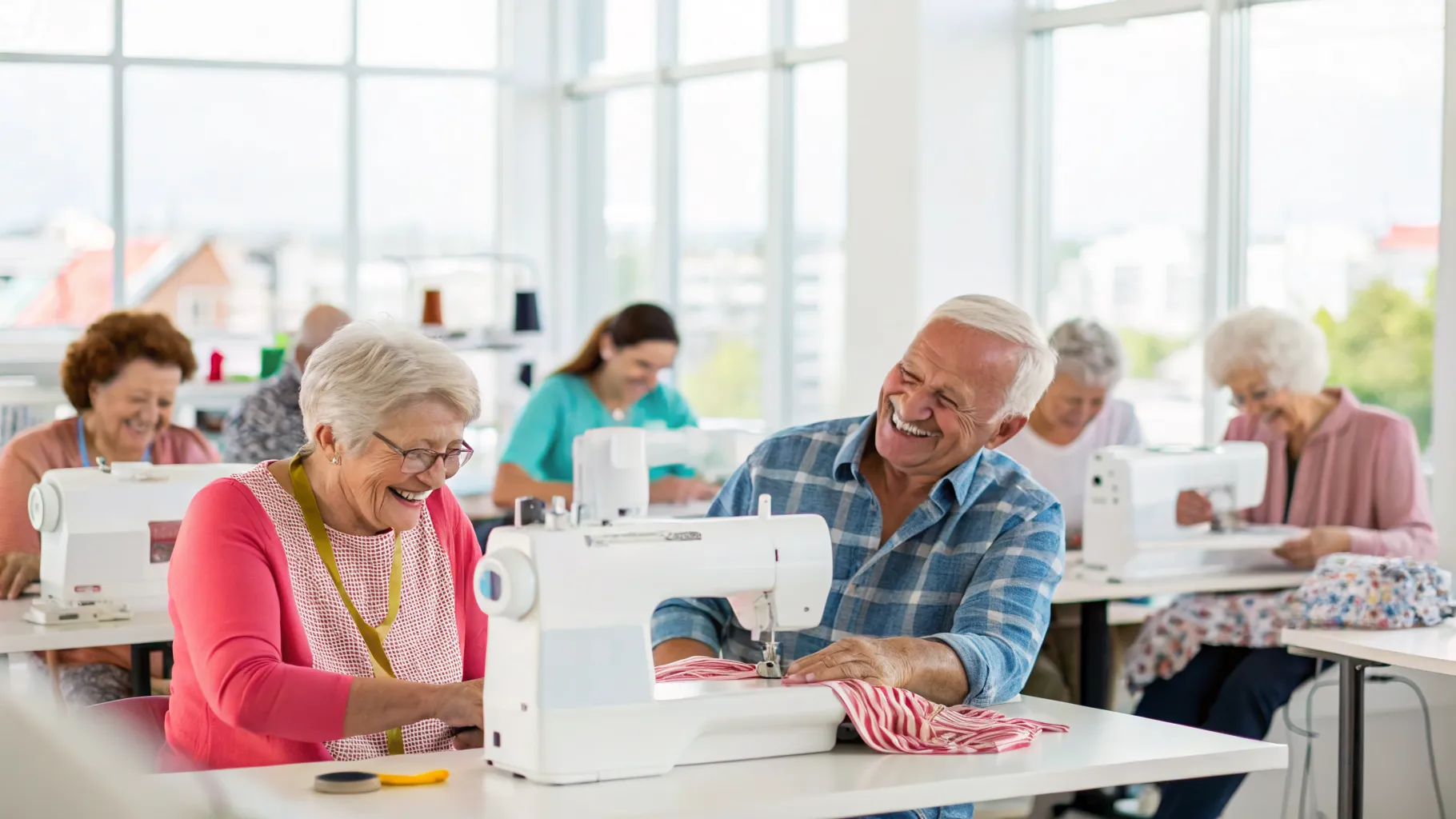
Why Take a Sewing Class After 60?
Joining a sewing class offers numerous benefits beyond simply learning how to stitch. It's a fantastic way to keep your mind sharp, as it requires focus, problem-solving, and learning new techniques. The fine motor skills involved in handling fabric, needles, and thread can also help maintain dexterity.
Furthermore, these classes provide a wonderful social outlet. They bring together people with a shared interest, creating opportunities for new friendships and community connections. The sense of accomplishment that comes from creating something with your own hands, be it a simple pillowcase or a complex garment, is a significant confidence booster.
Types of Sewing Classes Available
The world of sewing is vast, and classes are designed to cater to all levels and interests. It's helpful to understand the different formats to find the one that's right for you.
- Beginner Basics: These courses are ideal for those who have never touched a sewing machine. They typically cover machine setup, threading, basic stitches, and completing a simple first project.
- Project-Based Workshops: If you have a specific goal in mind, a project-based class is a great choice. Popular options include quilting, dressmaking, bag making, or home decor items like curtains and cushions.
- Skill-Specific Courses: For those looking to advance their abilities, there are classes that focus on particular techniques like pattern reading, tailoring, embroidery, or working with tricky fabrics like silk or denim.
- Online vs. In-Person: In-person classes offer hands-on guidance and social interaction, while online courses provide flexibility to learn at your own pace from the comfort of home.
Where to Find Senior-Friendly Sewing Classes
Finding a local class is often easier than you might think. Many organizations offer courses specifically geared towards older adults, featuring a relaxed pace and a welcoming environment. A great place to start is your local community or senior center, as they frequently host a variety of hobbyist workshops.
Fabric and craft stores are another excellent resource. They often have dedicated classroom spaces and run regular classes for all skill levels. Also, check the schedules at community colleges or adult education centers, which may offer more structured, semester-long courses. Finally, independent sewing studios and local artisans often provide specialized, small-group instruction.
What to Look for in a Quality Class
When choosing a class, a few key factors can ensure you have a positive experience. First, consider the instructor's experience, particularly their ability to teach adult learners with patience and clarity. Small class sizes are often preferable, as they allow for more one-on-one attention and help from the teacher.
Check the accessibility of the location, ensuring it's easy to get to and navigate. It's also important to understand what's included in the class fee. Find out if sewing machines are provided or if you need to bring your own. Ask about the materials list and any additional costs for fabric, thread, and other supplies so you can budget accordingly.
Preparing for Your First Sewing Class
A little preparation can help you feel confident and ready for your first lesson. If a materials list is provided, gather your supplies in advance. This might include fabric scissors, pins, a measuring tape, and thread. Having your own basic kit means you'll always have your preferred tools on hand.
Don't worry about being perfect from the start. Learning to sew is a process, and every expert was once a beginner. Approach your first class with an open mind, a willingness to learn, and a dose of patience for yourself. The most important thing is to enjoy the creative journey.
The Social Aspect of Sewing Groups
Beyond the formal classroom setting, the community aspect of sewing is a major draw for many. Once you've learned the basics, you might find local sewing circles or guilds. These groups meet regularly to work on projects, share tips, and simply enjoy each other's company.
These informal gatherings can be a source of great inspiration and support. You can see what others are making, get advice on a challenging project, and build lasting friendships. The shared passion for creating creates a strong bond and makes the hobby even more enjoyable and fulfilling.