10 Foods to Eat If You Have Kidney Disease: A Guide to Kidney Friendly Foods
Facts:
- Over 37 million Americans live with kidney disease.
- Dietary management is a critical trend for kidney disease patients.
Navigating Kidney Health Nutrition: The Right Choices
Understanding what to eat can significantly impact the progression and management of kidney disease. For individuals seeking to improve their well-being, focusing on kidney health nutrition is paramount. This guide will explore 10 foods to eat if you have kidney disease, helping you make informed decisions that support your renal function and overall health. Making conscious choices about kidney friendly foods can empower you to take an active role in your care.
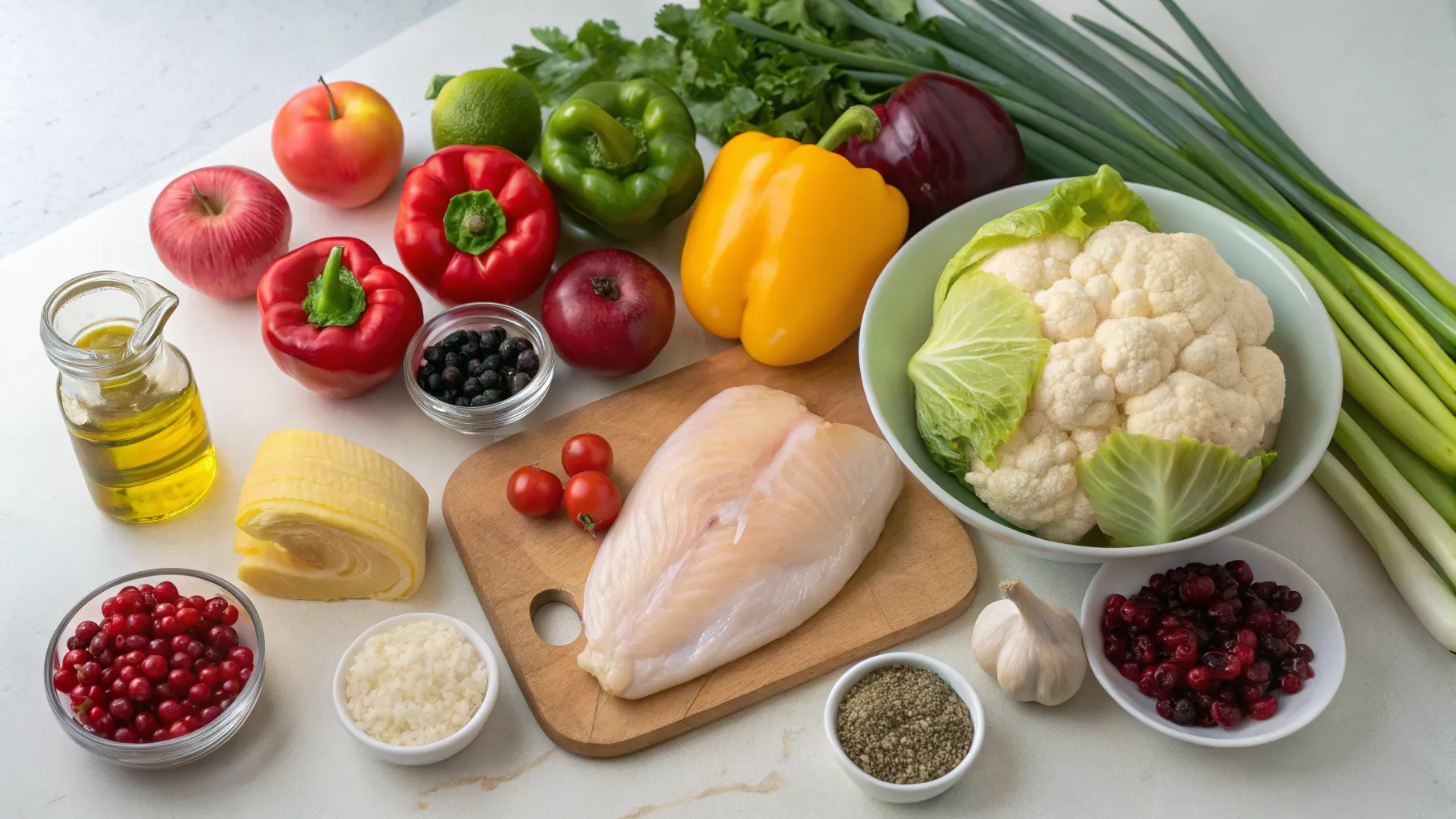
The Top 10 Foods to Eat If You Have Kidney Disease
When managing kidney disease, dietary restrictions often focus on limiting sodium, potassium, and phosphorus. However, many delicious and nutritious options remain. Incorporating these kidney friendly foods can help you maintain a balanced diet and support your renal health, contributing positively to your kidney wellness journey.
1. Red Bell Peppers
Red bell peppers are low in potassium and rich in vitamins A and C, as well as vitamin B6 and folic acid. They also contain an antioxidant called lycopene, which offers protection against certain cancers. These vibrant vegetables are excellent kidney friendly foods that can be enjoyed raw, roasted, or added to various dishes, providing a flavorful boost without overloading your system with problematic minerals. They are a staple in many kidney diet discussions for their versatility and nutritional value.
2. Cabbage
Cabbage is a cruciferous vegetable packed with vitamins K and C, and a good source of fiber. It is very low in potassium, phosphorus, and sodium, making it an ideal choice for a renal diet. Whether eaten raw in salads or cooked as a side dish, cabbage provides bulk and nutrients without burdening the kidneys. Including cabbage regularly is a smart move for anyone looking for foods for kidney wellness.
3. Apples
Apples are a classic fruit that is low in potassium, phosphorus, and sodium. They are also a good source of fiber and contain an anti-inflammatory compound called pectin, which can help lower cholesterol and blood sugar levels. Enjoy them raw, baked, or as a healthy snack. Apples are widely recognized as excellent kidney friendly foods and frequently feature in recommendations for kidney health nutrition due to their easy digestibility and beneficial properties.
4. Cranberries
Cranberries are well-known for their benefits to urinary tract health, preventing infections that can exacerbate kidney problems. They are low in potassium and phosphorus, making them suitable for a renal diet. Fresh or unsweetened cranberry juice can be a delicious and protective addition to your diet, supporting overall kidney wellness and standing out among foods for kidney wellness.
5. Fatty Fish (e.g., Salmon, Mackerel)
Fatty fish, such as salmon, mackerel, and tuna, are excellent sources of omega-3 fatty acids, which possess anti-inflammatory properties that can help reduce inflammation throughout the body, including the kidneys. While fish contains phosphorus, selecting varieties low in mercury and portion control are key. These are vital kidney friendly foods for those looking to boost their omega-3 intake as part of a comprehensive kidney health nutrition plan.
6. Olive Oil
Olive oil is a healthy fat rich in monounsaturated fats and antioxidants, particularly oleic acid, which has anti-inflammatory properties. It’s a great substitute for butter and other unhealthy fats in cooking and salad dressings. Using olive oil supports cardiovascular health, which is crucial for individuals with kidney disease, and is often highlighted in kidney diet discussions for its health benefits.
7. Garlic
Garlic is a fantastic flavoring agent that can reduce the need for extra sodium in dishes. It offers anti-inflammatory benefits and can help lower cholesterol. Garlic is low in potassium, phosphorus, and sodium, making it a powerful addition to any renal diet. It's an indispensable component when considering foods for kidney wellness, adding depth of flavor without detrimental effects.
8. Onions
Like garlic, onions are a great way to add flavor to meals without relying on salt. They are low in potassium and a good source of vitamin C, manganese, and sulfur compounds, which have antioxidant benefits. Onions can be used in a variety of dishes, contributing to the richness of your meals while adhering to dietary restrictions for kidney friendly foods.
9. Cauliflower
Cauliflower is a versatile cruciferous vegetable that can be mashed, roasted, or added to stir-fries. It's low in potassium and rich in vitamin C, vitamin K, and folate. Cauliflower also contains compounds that help detoxify the body. It’s an excellent alternative to higher-potassium vegetables like potatoes and is a highly recommended component of kidney health nutrition.
10. Skinless Chicken
When choosing protein sources, skinless chicken is a good option due to its lower phosphorus content compared to organ meats or processed options. Lean protein is essential, but portion control is vital to prevent excessive protein intake, which can strain the kidneys. Including modest portions of skinless chicken fits well within the framework of 10 foods to eat if you have kidney disease.
Lifestyle and Kidney Wellness Beyond Diet
While focusing on 10 foods to eat if you have kidney disease is crucial, managing kidney wellness involves a holistic approach. Regular physical activity, maintaining a healthy weight, controlling blood pressure and blood sugar, and avoiding smoking are all vital components. Engaging in proactive kidney diet discussions with healthcare professionals can provide personalized guidance, ensuring your lifestyle choices complement your nutritional strategy. The synergy of diet and lifestyle provides the most robust defense against the progression of kidney disease, offering a path towards improved health outcomes and a better quality of life.
Practical Tips for Integrating Kidney Friendly Foods
- Plan Meals Ahead: Meal planning helps ensure you always have appropriate kidney friendly foods available, reducing the temptation for non-compliant options. This is a cornerstone of effective kidney health nutrition.
- Read Food Labels Carefully: Always check sodium, potassium, and phosphorus levels on packaged foods. This becomes second nature for those diligently following a kidney diet.
- Cook at Home More Often: Preparing meals at home gives you full control over ingredients, allowing you to limit sodium and choose healthier cooking methods. This is central to mastering foods for kidney wellness.
- Experiment with Herbs and Spices: Use garlic, onions, herbs like parsley, oregano, and basil to flavor your food instead of salt. This enhances taste without adding harmful minerals, enriching your experience with kidney friendly foods.
- Consult a Renal Dietitian: A dietitian specializing in kidney disease can provide personalized advice and help navigate complex dietary restrictions, making kidney diet discussions more productive.
Frequently Asked Questions
Why are certain foods restricted in a kidney diet?
Foods are restricted primarily due to their high content of potassium, phosphorus, and sodium. Damaged kidneys struggle to filter these minerals effectively, leading to buildup in the blood, which can cause serious health issues. Adhering to guidelines for 10 foods to eat if you have kidney disease helps mitigate these risks.
Can I still eat my favorite foods occasionally?
With careful planning and portion control, some favorite foods might be enjoyed in moderation. It’s crucial to discuss these indulgences with your healthcare provider or a renal dietitian to understand the potential impact and ensure it fits within your broader kidney health nutrition plan.
How can I ensure I'm getting enough protein?
Lean protein sources like skinless chicken, fish, and egg whites are good options, but portion control is key. A renal dietitian can help you determine your individual protein needs to ensure you’re getting adequate nutrition without overworking your kidneys, especially when focusing on kidney friendly foods.
References
- National Kidney Foundation.
- American Heart Association.
- Dietary Guidelines for Americans.