10 Everyday Foods That Support Heart Health
Maintaining a healthy heart involves many factors, and diet is a cornerstone of cardiovascular wellness. Incorporating foods rich in specific vitamins, minerals, antioxidants, and healthy fats can make a positive impact. Understanding which foods offer these benefits is the first step toward building a heart-supportive eating plan.
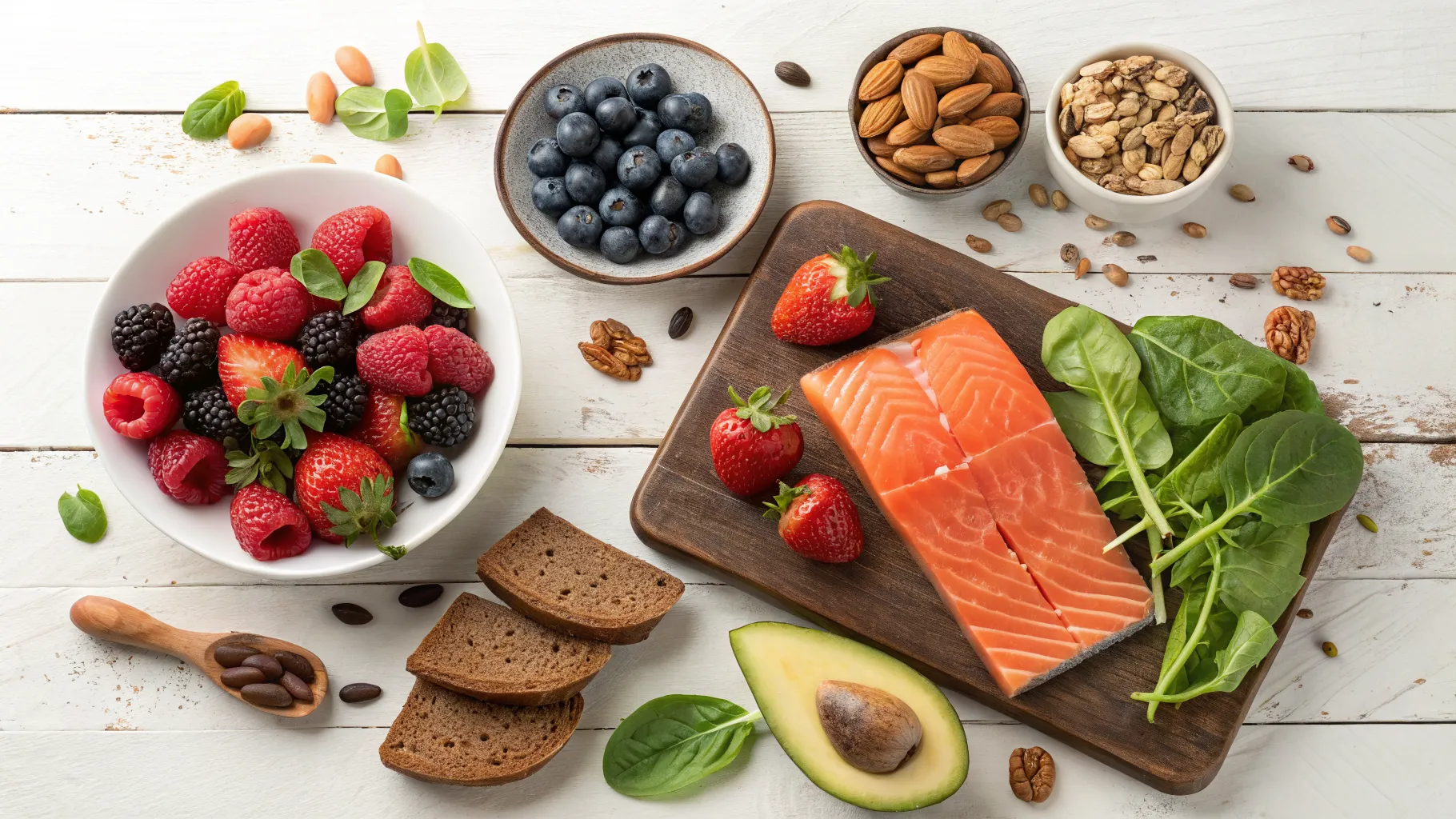
Leafy Green Vegetables
Leafy greens like spinach, kale, and collard greens are well-known for their wealth of vitamins, minerals, and antioxidants. In particular, they are a great source of vitamin K, which helps protect your arteries and promote proper blood clotting. They are also high in dietary nitrates, which have been shown to reduce blood pressure, decrease arterial stiffness, and improve the function of cells lining the blood vessels.
Including more of these greens in your diet is simple. They can be added to salads, blended into smoothies, or sautéed as a side dish. Increasing your intake of leafy green vegetables is an easy way to pack your meals with heart-healthy nutrients that support overall cardiovascular function.
Whole Grains
Whole grains include all three nutrient-rich parts of the grain: bran, germ, and endosperm. Common types of whole grains include oats, brown rice, barley, quinoa, and whole wheat. They are a great source of fiber, which can help reduce the 'bad' LDL cholesterol and may decrease the risk of heart disease. Specifically, a type of soluble fiber called beta-glucan, found in oats and barley, is known for its cholesterol-lowering effects.
When shopping, look for products that list a whole grain as the first ingredient, such as '100% whole wheat flour'. Swapping refined grains like white bread and pasta for their whole-grain counterparts is a practical step toward a more heart-friendly diet. These grains provide sustained energy and help you feel fuller for longer, which can also aid in weight management.
Berries
Berries are packed with important nutrients and antioxidants. Strawberries, blueberries, raspberries, and blackberries are rich in compounds called anthocyanins, which are antioxidants that protect against oxidative stress and inflammation, both of which contribute to the development of heart disease. These compounds are responsible for the vibrant red, blue, and purple colors of many berries.
Enjoying berries is easy, as they can be eaten fresh as a snack, added to oatmeal or yogurt, or blended into a smoothie. Consuming a variety of berries regularly can contribute to better heart health by helping to manage blood pressure and improve blood vessel function, making them a delicious and valuable part of any diet.
Fatty Fish
Fatty fish such as salmon, mackerel, sardines, and tuna are loaded with omega-3 fatty acids. These healthy fats have been extensively studied for their heart benefits. Omega-3s may decrease triglycerides, lower blood pressure, reduce blood clotting, and decrease the risk of stroke and heart failure. They are an essential part of a diet focused on cardiovascular wellness.
For those who do not eat fish, other sources of omega-3s include flaxseeds, chia seeds, walnuts, and canola oil. However, the types of omega-3s found in fatty fish (EPA and DHA) are the most potent and well-researched for heart health. Aiming for about two servings of fatty fish per week is a common recommendation for adults.
Nuts and Seeds
Almonds, walnuts, pistachios, flaxseeds, and chia seeds are excellent sources of heart-healthy nutrients. They provide a good mix of fiber, protein, and unsaturated fats, which can help lower cholesterol and blood pressure. Walnuts, in particular, are a great plant-based source of omega-3 fatty acids, while almonds are packed with vitamin E.
A handful of nuts or a tablespoon of seeds as a snack or added to a meal can be a great way to boost your nutrient intake. It is important to be mindful of portion sizes, as nuts and seeds are calorie-dense. Opting for unsalted and raw or dry-roasted varieties is the best way to get their benefits without added sodium or unhealthy oils.
Avocados
Avocados are an excellent source of monounsaturated fats, which have been linked to reduced levels of LDL cholesterol and a lower risk of heart disease. They are also packed with potassium, a nutrient that is essential for heart health. Potassium helps control blood pressure by lessening the effects of sodium in the body.
This versatile fruit can be added to salads, spread on whole-grain toast, or blended into smoothies. Its creamy texture makes it a satisfying addition to many dishes. A single serving of avocado can provide a significant amount of your daily potassium and fiber needs, making it a powerful food for supporting your cardiovascular system.
Beans and Legumes
Beans, lentils, and chickpeas are rich in soluble fiber, the same type found in oats that helps lower cholesterol. They also contain resistant starch, which is fermented by beneficial bacteria in your gut. Studies suggest that consuming beans and legumes regularly can help lower blood pressure, reduce inflammation, and improve overall heart health markers.
This food group is also an excellent source of plant-based protein, making it a great substitute for animal proteins that may be higher in saturated fat. Adding black beans to a salad, making a lentil soup, or enjoying hummus with vegetables are all simple ways to incorporate more of these heart-friendly foods into your meals.
Dark Chocolate
In moderation, dark chocolate can be a heart-healthy treat. It is rich in antioxidants like flavonoids, which can help improve blood flow, lower blood pressure, and reduce inflammation. For the most benefit, it is important to choose high-quality dark chocolate with a cocoa content of 70% or higher, as this indicates a higher concentration of flavonoids and typically less added sugar.
While it offers benefits, dark chocolate is still a calorie-dense food. A small square a day is enough to reap the potential rewards without consuming excess sugar and fat. It's a satisfying way to get a dose of antioxidants while enjoying a delicious treat.
Tomatoes
Tomatoes are high in lycopene, a natural plant pigment with powerful antioxidant properties. Antioxidants help neutralize harmful free radicals, preventing oxidative damage and inflammation, which can contribute to heart disease. Studies have linked the consumption of lycopene-rich foods to lower levels of 'bad' LDL cholesterol.
Cooking tomatoes, such as in a sauce or soup, can increase the bioavailability of lycopene, making it easier for your body to absorb. Fresh tomatoes in salads and sandwiches are also beneficial. Including this versatile fruit in your diet provides a good source of both vitamin C and potassium, further supporting heart function.
Olive Oil
Extra virgin olive oil is a staple of the heart-healthy Mediterranean diet. It is a rich source of monounsaturated fats and antioxidants, which can help protect against heart disease by improving cholesterol levels and lowering blood pressure. The antioxidants in olive oil may also reduce inflammation and prevent the oxidation of LDL cholesterol, a key step in the development of atherosclerosis.
When choosing an olive oil, opt for extra virgin, as it is the least processed and retains the most antioxidants and nutrients. Use it for salad dressings, as a finishing oil over cooked vegetables, or for low-to-medium heat cooking. Replacing other fats, like butter or margarine, with olive oil is a simple dietary change that supports cardiovascular health.