A Guide to Continuous Glucose Monitors for Diabetes Management
For individuals managing diabetes, tracking blood glucose levels is a fundamental part of daily life. Traditionally, this has involved frequent fingerstick tests with a standard blood glucose meter. However, technology has evolved, introducing Continuous Glucose Monitors (CGMs) as a powerful tool that provides a more comprehensive view of glucose patterns, often reducing or eliminating the need for routine fingerpricks.
What is a Continuous Glucose Monitor (CGM)?
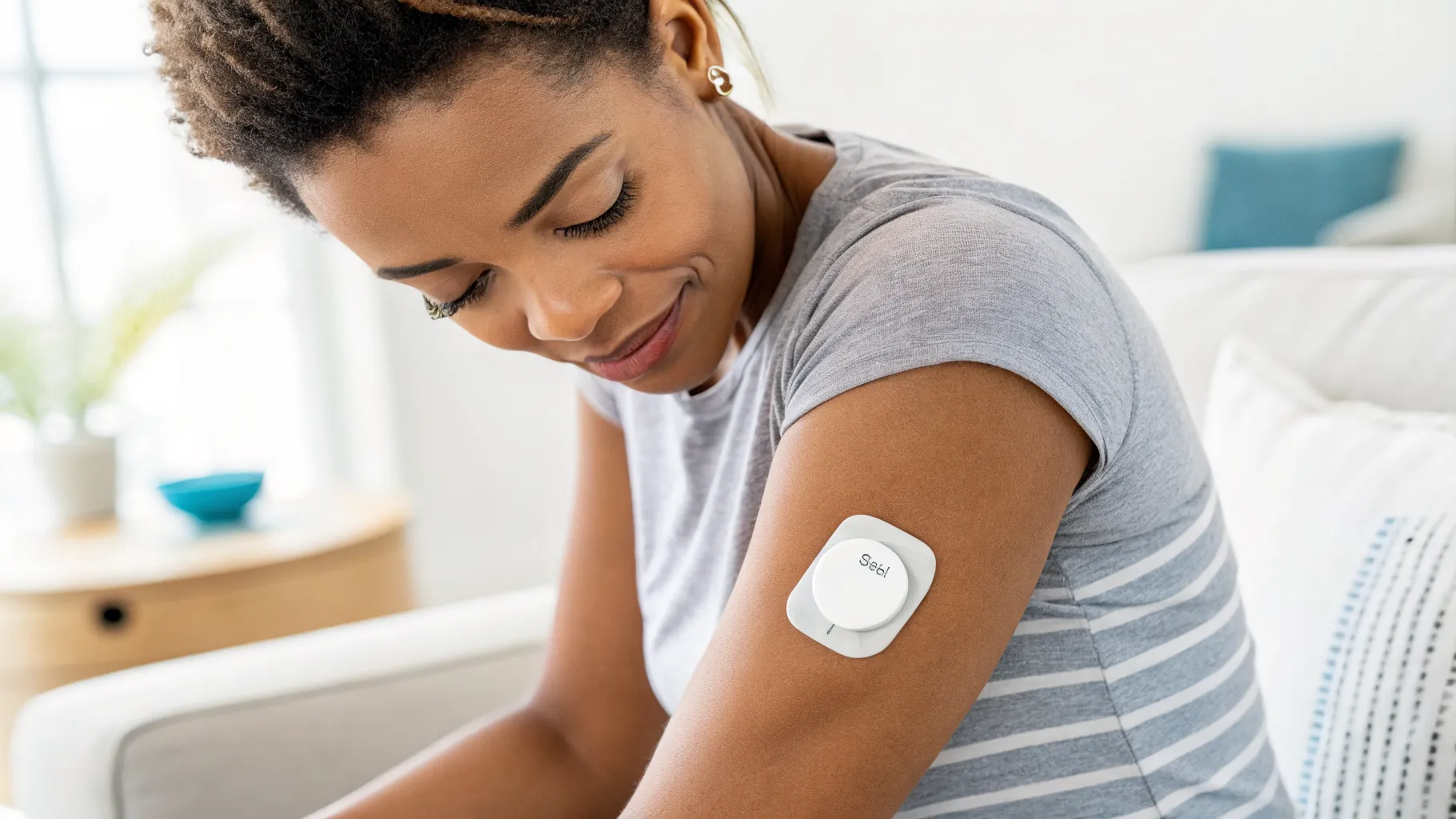
A Continuous Glucose Monitor is a compact medical system that automatically tracks your glucose levels 24 hours a day. It provides real-time readings, trend information, and alerts, offering a dynamic picture of how food, exercise, medication, and stress affect your glucose. This continuous data stream empowers users and their healthcare providers to make more informed decisions about diabetes management.
The system typically consists of three main parts. First is a small sensor with a tiny filament that is inserted just beneath the skin, usually on the arm or abdomen. This sensor measures glucose levels in the interstitial fluid, which is the fluid surrounding the cells. Second, a transmitter is attached to the sensor, which wirelessly sends the glucose data. Finally, a receiver, which can be a dedicated handheld device, a compatible smartphone app, or an insulin pump, displays the readings.
How CGMs Work Without Frequent Fingersticks
Unlike traditional meters that measure glucose in the blood at a single moment, CGMs measure glucose in the interstitial fluid. There is a short lag time between changes in blood glucose and interstitial fluid glucose, but modern CGM algorithms account for this to provide highly accurate readings. By taking measurements automatically every few minutes, the device creates a continuous data flow that reveals patterns and trends that would be missed with intermittent fingerstick tests.
Many current CGM systems are approved by regulatory bodies for making treatment decisions, meaning you can use the readings to dose insulin without a confirmatory fingerstick. However, it's important to understand that a healthcare provider may still recommend occasional fingerstick checks. This might be necessary during the initial sensor warm-up period, if you suspect the reading is inaccurate, or when your symptoms do not match the CGM's data.
Key Features to Compare in CGM Systems
When considering a CGM, several features differentiate one system from another. Understanding these differences can help you and your doctor choose the best device for your lifestyle and management needs. It is wise to review the specifications of different models before making a decision.
- Accuracy and Calibration: Some systems are factory-calibrated and do not require any fingerstick calibrations. Others may require one or two daily fingersticks to ensure accuracy. The overall accuracy, often measured by the MARD (Mean Absolute Relative Difference) value, is another critical factor.
- Sensor Wear Time: The duration a single sensor can be worn varies by brand and model, typically ranging from 7 to 14 days. Longer wear time means fewer sensor changes and can be more convenient.
- Data Display and Integration: Consider how you want to view your data. Many systems send information directly to a smartphone app, while others use a dedicated receiver. Some CGMs can also integrate with insulin pumps to create a hybrid closed-loop system.
- Alerts and Alarms: Most CGMs offer customizable alerts for high and low glucose levels, as well as for rapid changes in glucose. This feature is crucial for preventing severe hypoglycemia or hyperglycemia, especially overnight.
Understanding the Benefits of Continuous Monitoring
One of the most significant advantages of a CGM is its ability to show trend arrows, indicating whether your glucose is rising, falling, or remaining stable. This predictive information allows you to act proactively. For example, if you see your glucose is dropping quickly, you can consume carbohydrates to prevent a low, rather than reacting after it has already occurred.
CGMs also provide insights into your 'Time in Range' (TIR), which is the percentage of time your glucose levels stay within your target range. Many clinicians now consider TIR a key metric for assessing glucose control, alongside the traditional A1C test. By seeing your overnight glucose patterns and how your body responds to different meals and activities, you can make more precise adjustments to your diabetes care plan.
Affordability and Access to CGM Technology
The cost of a CGM system can be a concern, as it involves ongoing expenses for sensors and sometimes transmitters. The initial and recurring costs can vary significantly between different brands and models. It's important to factor in the price of each component when evaluating your options for long-term use.
Fortunately, insurance coverage for CGMs has improved substantially. Many plans now cover these devices for people with Type 1 diabetes and, increasingly, for those with Type 2 diabetes, especially if they use insulin. To understand your potential out-of-pocket costs, you should contact your insurance provider directly to inquire about their coverage policies, deductibles, and co-pays for durable medical equipment or pharmacy benefits related to CGMs. Some manufacturers also offer financial assistance programs for eligible individuals.
How to Get Started with a CGM
The first step toward using a CGM is to have a conversation with your healthcare provider. A prescription is required to obtain a CGM system, so discussing your diabetes management goals with your doctor, endocrinologist, or a certified diabetes educator is essential. They can help you determine if a CGM is an appropriate tool for you and which system would best suit your specific needs.
Once a CGM is prescribed, you will receive training on how to properly insert the sensor, operate the device, and interpret the data it provides. The pharmacy or durable medical equipment supplier will typically handle the dispensing of the system. Proper education is key to using the technology effectively and safely, so be sure to ask any questions you have during your training session.