Advanced Safety Features in Luxury Sedans: A Comprehensive Guide
The automotive landscape has dramatically shifted, with luxury vehicles now setting benchmarks not only for opulence and performance but also for pioneering safety innovations. Today's premium sedans are engineered to offer a sanctuary of safety, integrating sophisticated technologies designed to prevent collisions, protect occupants during an impact, and even assist the driver in complex driving scenarios. This guide delves into the world of luxury sedans, highlighting the advanced safety features that define the segment and what buyers should consider.
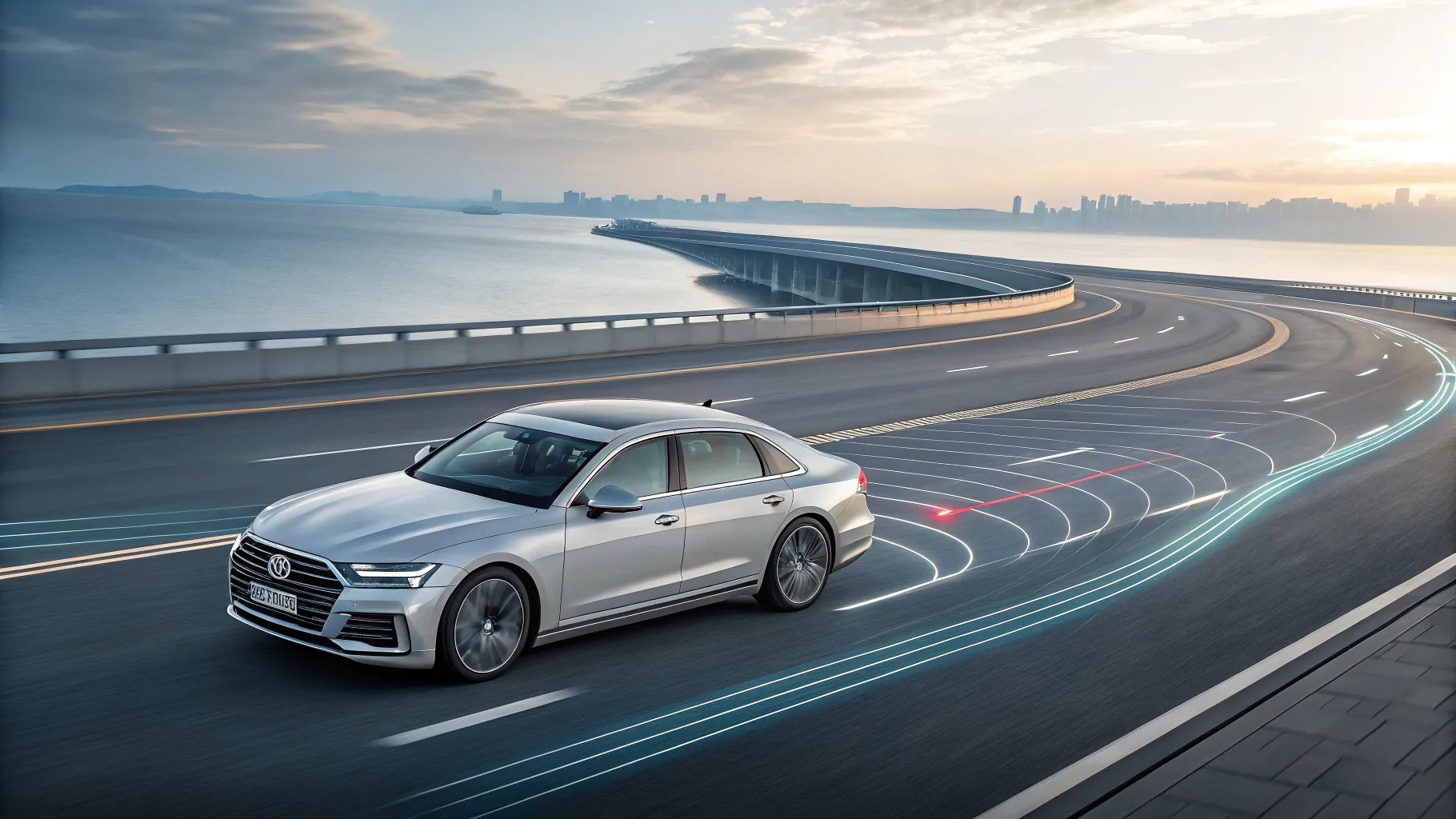
The Evolution of Automotive Safety
For decades, automotive safety primarily revolved around passive systems such as seatbelts, airbags, and robust chassis design. While these remain fundamental, the focus has expanded dramatically to include active safety measures. These systems are designed to actively prevent accidents from happening in the first place, or to mitigate their severity significantly. This shift has been driven by advancements in sensor technology, artificial intelligence, and computing power.
Luxury sedans are typically at the forefront of this evolution, often introducing new safety technologies before they become standard across the broader market. This commitment to innovation means that buyers in this segment can expect a comprehensive suite of features aimed at enhancing both driver awareness and vehicle responsiveness.
Core Advanced Driver-Assistance Systems (ADAS)
Advanced Driver-Assistance Systems, or ADAS, form the backbone of modern vehicle safety. In luxury sedans, these systems are typically highly refined and seamlessly integrated, offering a sophisticated layer of protection and assistance.
Adaptive Cruise Control: This system automatically adjusts the vehicle's speed to maintain a safe distance from the car ahead, even in stop-and-go traffic. Many luxury implementations offer predictive capabilities, anticipating traffic flow changes.
Lane Keeping Assist and Lane Centering: These features help keep the vehicle within its lane by providing subtle steering inputs. Lane centering goes a step further, actively working to keep the car precisely in the middle of the lane, reducing driver fatigue on long journeys.
Automatic Emergency Braking (AEB) with Pedestrian and Cyclist Detection: Perhaps one of the most critical ADAS features, AEB detects potential frontal collisions with vehicles, pedestrians, or cyclists and can automatically apply the brakes if the driver does not respond in time.
Blind Spot Monitoring: Warns the driver of vehicles in their blind spots, often with visual indicators in the side mirrors and audible alerts.
Rear Cross-Traffic Alert: Useful when backing out of a parking spot, this system detects approaching vehicles from either side and alerts the driver.
Innovative Safety Technologies Beyond ADAS
Beyond the core ADAS features, luxury sedans often incorporate even more sophisticated and often exclusive safety technologies that provide an extra layer of protection and convenience.
These innovations leverage advanced sensors, cameras, and processing power to offer unparalleled awareness and proactive intervention. From systems that monitor driver attentiveness to those that provide enhanced visibility in challenging conditions, the aim is to create a driving experience that is as safe as it is luxurious.
Night Vision Assist: Utilizes infrared cameras to detect pedestrians and animals far beyond the reach of headlights, displaying them on a screen in the instrument cluster or head-up display.
Driver Drowsiness Monitoring: Analyzes steering patterns, eye movements, or other indicators to detect signs of driver fatigue and suggests taking a break.
360-Degree Surround View Cameras: Provides a top-down view of the vehicle's surroundings, making parking and maneuvering in tight spaces significantly easier and safer by eliminating blind spots around the vehicle.
Evasive Steering Assist: Works in conjunction with AEB to help the driver steer around an obstacle if braking alone is insufficient to prevent a collision.
Pre-Collision Systems with Side Impact Protection: Some systems can sense an imminent side impact and physically prepare the cabin by adjusting seats, tightening seatbelts, and even raising the vehicle or inflating external airbags to absorb impact energy.
Passive Safety and Structural Integrity
While active safety systems aim to prevent accidents, passive safety remains crucial for occupant protection during an impact. Luxury sedans are built with an emphasis on superior structural integrity and advanced crash absorption technologies.
High-strength steel alloys, aluminum, and even carbon fiber are strategically used in their construction to create extremely rigid passenger cells that can withstand significant impact forces. Coupled with an array of multi-stage airbags strategically placed throughout the cabin, these vehicles are designed to dissipate crash energy effectively and minimize injury to occupants. Ongoing research in material science and crash kinematics ensures that passive safety measures continue to evolve, even as active systems take center stage.
Leading Luxury Sedans Known for Safety Features
Several luxury sedan lines are consistently recognized for their commitment to integrating advanced safety features and achieving high safety ratings. These models often serve as industry benchmarks for protection and driver assistance.
When considering vehicles in this segment, it's worth exploring brands that have a long-standing reputation for safety innovation. These include models from manufacturers that frequently invest in cutting-edge research and development to enhance both active and passive safety measures, ensuring their flagship sedans offer state-of-the-art protection.
Mercedes-Benz S-Class: Known for its extensive PRE-SAFE systems, which can prepare the car for an imminent collision by tightening seatbelts, adjusting seats, and even emitting a 'pink noise' to protect hearing.
BMW 7 Series: Features a comprehensive Driving Assistant Professional package, offering highly advanced semi-autonomous driving capabilities, including traffic jam assist and evasion aid.
Audi A8: Integrates sophisticated sensor fusion, allowing its various ADAS systems to work together seamlessly for predictive safety and advanced parking assistance systems.
Volvo S90: Volvo has a brand identity built around safety. The S90 typically includes features like City Safety, which can detect vehicles, pedestrians, cyclists, and large animals, and Run-off Road Mitigation.
Lexus LS: Offers the Lexus Safety System+, a suite of integrated active safety technologies that include advanced pre-collision systems and dynamic radar cruise control.
What to Look For When Choosing a Luxury Sedan for Safety
When evaluating luxury sedans with a focus on safety, several key factors should guide your decision. Beyond simply checking off a list of features, understanding the integration and effectiveness of these systems is paramount.
It is also important to consider independent safety ratings from organizations. These ratings provide an objective assessment of how vehicles perform in various crash tests and how effective their preventive safety systems are in real-world scenarios. Always compare available packages and options, as certain advanced safety features may be part of optional upgrades.
Independent Crash Test Ratings: Consult reputable organizations like the Insurance Institute for Highway Safety (IIHS) in the US or Euro NCAP in Europe for detailed crash test results and safety awards. Look for vehicles that achieve the highest possible ratings.
ADAS Suite Completeness: Ensure the vehicle offers a full suite of ADAS features, not just a few basic ones. Pay attention to how well these systems integrate and whether they offer multi-level warnings and interventions.
Driver Monitoring Systems: Look for systems that actively monitor driver attentiveness, as these can be crucial in preventing fatigue-related accidents.
Robust Passive Safety: Inquire about the vehicle's body structure, materials used, and the number and type of airbags. A strong foundation is essential for occupant protection.
User Reviews and Reliability: While not directly safety-related, reliable operation of all vehicle systems, including safety features, is important. Research owner experiences and any reported issues with specific technologies.
Future Trends in Automotive Safety
The trajectory of automotive safety continues towards greater automation and connectivity. Future luxury sedans are expected to push boundaries even further, integrating technologies that promise a more proactive and predictive approach to safety.
Vehicle-to-everything (V2X) communication, for instance, will allow cars to communicate with each other and with infrastructure, providing early warnings about road hazards, traffic conditions, and potential collision threats far beyond the driver's line of sight. Artificial intelligence will play an even larger role in refining ADAS, enabling systems to make more nuanced decisions and adapt to unique driving environments. As autonomous driving capabilities advance, the definition of vehicle safety will evolve, shifting from driver assistance to comprehensive vehicle self-protection and collision avoidance. These ongoing developments underscore a future where luxury and unparalleled safety become even more intrinsically linked.