Why Do My Bones Hurt? Understanding the Causes of Bone Pain
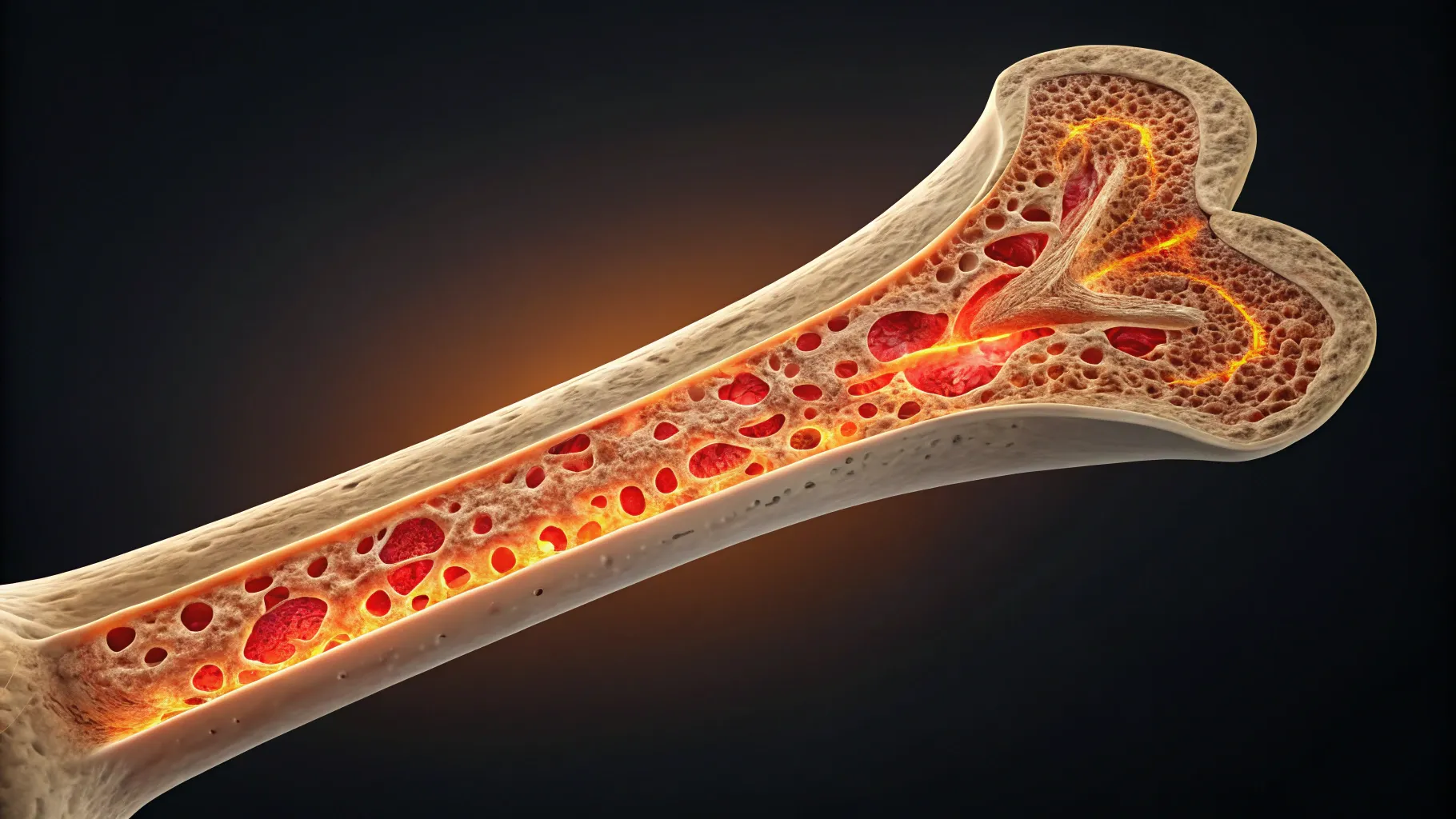
Bone pain is a discomfort that can range from a dull ache to a sharp, debilitating sensation. Unlike muscle or joint pain, it can be present whether you're moving or at rest. If you find yourself asking, 'why do my bones hurt?', it's important to recognize that the answer can be complex. This guide explores the common reasons for bone discomfort to help you in understanding causes of bone pain.
Injury: The Most Common Culprit
One of the most straightforward causes of bone pain is trauma. A fall, car accident, or sports-related incident can lead to a fracture (a broken bone), which causes severe, sharp pain. However, even less severe injuries like deep bruises or stress fractures from repetitive strain can result in significant discomfort. The pain is typically localized to the site of the injury and may be accompanied by swelling and tenderness.
Underlying Medical Conditions and Infections
Sometimes, bone pain is a symptom of a deeper medical issue. Several conditions can be responsible for persistent aching. Osteoporosis, a condition that weakens bones and makes them brittle, doesn't usually cause pain until a fracture occurs. However, severe osteoporosis can lead to vertebral fractures, causing back pain. Another one of the common causes of bone pain is osteomyelitis, an infection in the bone, which can cause intense, throbbing pain along with fever and fatigue. Arthritis, while primarily a joint disease, can also cause discomfort that feels like it's originating in the bones.
Nutritional Deficiencies and Bone Health
Your diet plays a crucial role in bone strength. A deficiency in key nutrients is one of the common reasons for bone discomfort. Vitamin D is essential for calcium absorption, and a lack of it can lead to a condition called osteomalacia, which softens the bones and causes a deep, aching pain. Similarly, inadequate calcium intake can weaken the skeletal structure over time, contributing to aches and increasing fracture risk. Ensuring a balanced diet rich in these nutrients is fundamental to preventing this type of pain.
Bone Pain Symptoms Linked to Cancer
While less common, bone pain can be a sign of cancer. This can occur either as primary bone cancer, which originates in the bone, or as metastatic cancer, where cancer spreads from another part of the body to the bones. The pain is often described as a dull ache that worsens at night and is not relieved by rest. It is a persistent and progressive symptom that warrants immediate medical attention for a proper diagnosis and treatment plan.
Disruptions in Blood Supply
Certain conditions can interfere with the blood supply to the bones, leading to the death of bone tissue. This condition, known as avascular necrosis or osteonecrosis, causes significant pain and can lead to tiny breaks in the bone, eventually causing it to collapse. It most often affects the ends of long bones, such as the femur in the thigh. Understanding the causes of bone pain in this context is crucial, as it requires specialized medical intervention.
References:
www.mayoclinic.org/symptoms/bone-pain/basics/causes/sym-20050858
my.clevelandclinic.org/health/symptoms/17795-bone-pain
www.niams.nih.gov/health-topics/osteoporosis