21 Grocery Shopping Tips People Actually Use to Save Money on Groceries
Facts:
- The average family can waste up to 25% of purchased groceries.
- Using a shopping list is a top trend for consumers aiming to reduce grocery spending.
Unlock Major Savings: 21 Grocery Shopping Tips That Actually Work
In an era of rising food costs, mastering your grocery shopping routine is more critical than ever. Many people struggle with impulse buys and inefficient planning, leading to budgets that are stretched thin by the end of the month. This guide provides 21 grocery shopping hacks designed to help you navigate the aisles like a pro. By implementing these practical and effective strategies, you can significantly save money on groceries and take control of your household expenses. These aren't just theories; they are tried-and-true smart grocery tips that people use every day to make their money go further.
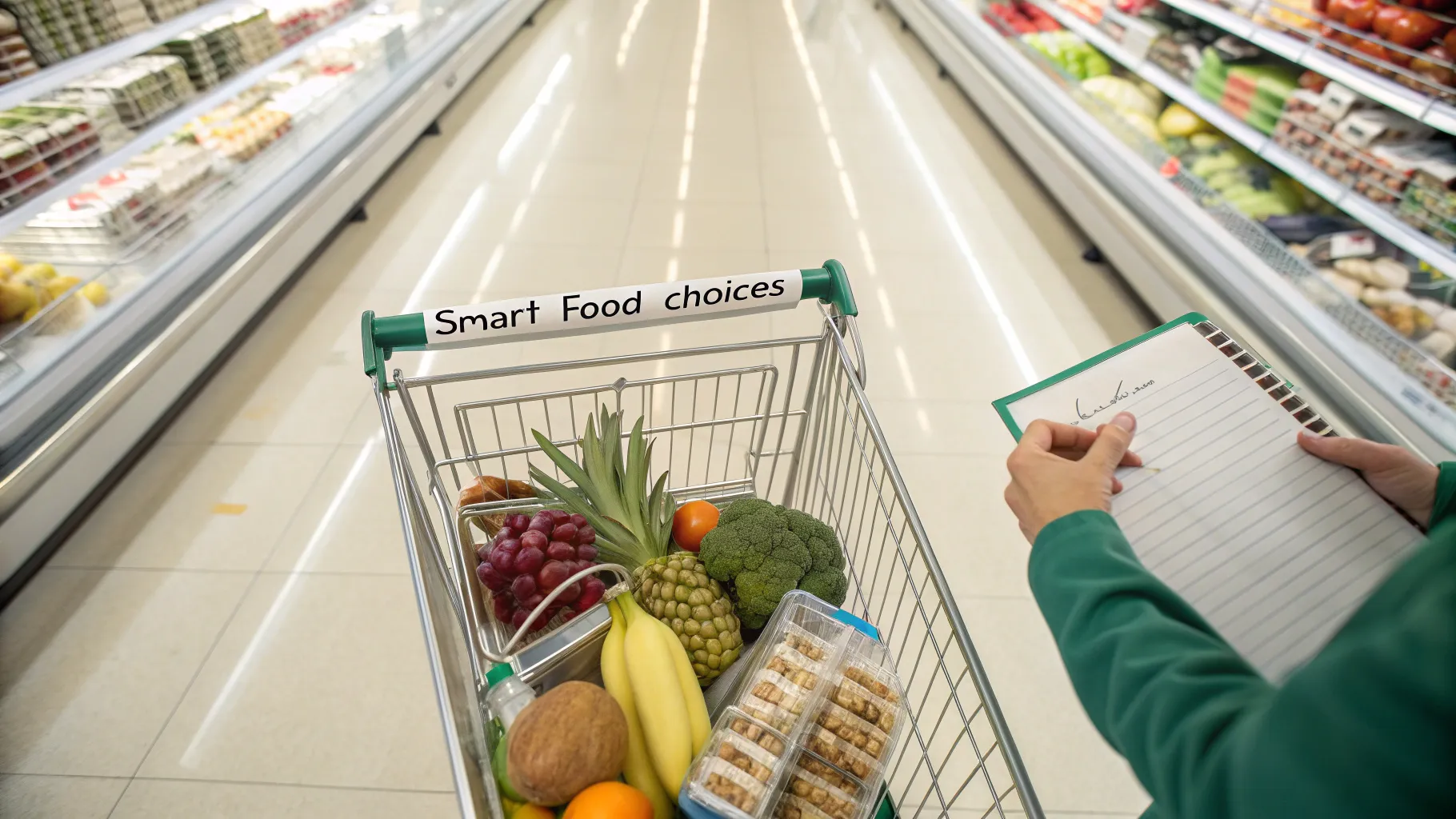
Your Ultimate Checklist: 21 Smart Grocery Tips
Transforming your shopping habits doesn't happen overnight, but incorporating these tips one by one will lead to substantial savings. Here are the 21 most effective supermarket shopping tips to help you get started.
1. Master the Art of Meal Planning
Before you even think about creating a list, plan your meals for the week. Knowing exactly what you'll eat for breakfast, lunch, and dinner prevents overbuying and ensures every item you purchase has a purpose. This is a foundational step to reduce grocery spending.
2. Never Shop on an Empty Stomach
This is one of the most classic and effective smart grocery tips. Shopping while hungry makes you susceptible to impulse buys, especially for snacks and unhealthy options. Eat a meal or a snack before you go to keep your decision-making sharp and focused on your list.
3. Stick to Your Shopping List
A well-thought-out list is your best defense against impulse purchases. Treat it as your mission plan. If an item isn't on your list, you don't need it. This simple discipline is a powerful way to save money on groceries.
4. Embrace Generic and Store Brands
Many store-brand products are manufactured by the same companies as their name-brand counterparts. By opting for generic labels on staples like pasta, canned goods, and cleaning supplies, you can achieve significant savings without sacrificing quality. This is one of the easiest 21 grocery shopping hacks to implement.
5. Buy in Bulk (Wisely)
For non-perishable items or foods you consume regularly, buying in bulk can offer a lower cost per unit. However, only buy bulk if you are certain you will use the item before it expires. Wasted food is wasted money.
6. Understand Unit Pricing
Don't just look at the total price; check the unit price on the shelf tag (e.g., price per ounce or per 100 grams). This helps you accurately compare the value between different sizes and brands, ensuring you get the most for your money.
7. Shop the Sales and Use Coupons
Plan your meals around what's on sale. Check weekly flyers and digital coupon apps before you shop. Combining sale prices with coupons is a classic strategy to reduce grocery spending effectively.
8. Leverage Cash-Back Apps and Loyalty Programs
Sign up for your store's loyalty program to access exclusive discounts. Additionally, use cash-back apps that offer rebates on your purchases. Scanning your receipt after a shopping trip can put money back in your pocket.
9. Go Meatless Once a Week
Meat is often the most expensive item on a grocery list. Incorporating a 'Meatless Monday' or another vegetarian meal into your weekly plan can drastically lower your bill. Plant-based proteins like beans and lentils are nutritious and incredibly cost-effective.
10. Buy Produce That's in Season
Out-of-season fruits and vegetables are more expensive because they have to be shipped from further away. Buying seasonal produce is not only cheaper but also often fresher and more flavorful. This is a key part of effective supermarket shopping tips.
11. Visit a Farmers Market at the End of the Day
If you have access to a local farmers market, try visiting near closing time. Vendors are often willing to offer discounts on remaining produce rather than transport it back. You can find great deals on fresh, local food.
12. Check the 'Reduced for Quick Sale' Section
Most grocery stores have a section for items nearing their sell-by date. You can find great deals on meat, dairy, and bakery items that are perfectly fine to consume that day or freeze for later. This is a fantastic way to save money on groceries.
13. Avoid Pre-Cut and Pre-Packaged Items
You pay a premium for convenience. Pre-cut vegetables, grated cheese, and individual snack packs cost significantly more than their whole counterparts. Invest a little time in food prep at home to save money.
14. Shop Alone If Possible
Shopping with partners or children can lead to more impulse buys and requests for items not on your list. A solo trip to the supermarket is often faster and more budget-friendly.
15. Look High and Low on Shelves
Stores often place the most expensive, name-brand items at eye level. Cheaper store brands and bulk items are typically on the top and bottom shelves. A simple scan up and down the aisle can reveal better deals.
16. Use a Basket Instead of a Cart
If you're only planning to buy a few items, grab a basket. The limited space discourages you from picking up unnecessary extras, making it a simple but effective one of our 21 grocery shopping hacks.
17. Pay with Cash
The envelope system works. By bringing a set amount of cash, you physically cannot overspend. This forces you to prioritize items on your list and make tough decisions in the aisle, rather than at the checkout.
18. Inventory Your Pantry and Fridge First
Before you make your list, check what you already have. This prevents you from buying duplicates and encourages you to use up ingredients you've already purchased, which is key to reducing food waste and spending.
19. Learn to Preserve and Freeze Food
Take advantage of sales on produce or meat by buying extra and freezing it. Learning simple preservation techniques like canning or pickling can extend the life of your food and save you money in the long run.
20. Shop Less Frequently
Every trip to the store is an opportunity to make an impulse buy. By switching from daily trips to a single weekly or bi-weekly shop, you reduce your exposure to temptation and save time and gas money.
21. Rethink Your 'Essentials'
Regularly evaluate what you consider essential. Can you make your own coffee instead of buying expensive cold brew? Can you bake your own granola bars? Small changes in your purchasing habits can lead to big savings over time.
Putting Your Grocery Savings Plan into Action
Knowing these tips is one thing; applying them is another. The key is consistency. Choose a few of these supermarket shopping tips to start with and build them into your routine. Over time, these practices will become second nature, leading to sustained financial benefits.
- Start with a Weekly Audit: For one week, save all your grocery receipts. At the end of the week, review them and identify at least three impulse buys. This helps you recognize your personal spending triggers.
- Create a 'Price Book': Keep a small notebook or use a phone app to track the regular prices of your most frequently purchased items at different stores. This will help you recognize a genuinely good sale and know where to find the best deals.
- Dedicate Time to Prep: Set aside an hour or two after your shopping trip to wash and chop vegetables, portion out snacks, and prep ingredients for upcoming meals. This makes it easier to stick to your meal plan and avoid costly takeout.
Frequently Asked Questions
What are the most effective 21 grocery shopping hacks for a beginner?
For someone just starting, the three most impactful hacks are: 1) Always make a detailed meal plan and shopping list, 2) Never shop when you're hungry, and 3) Switch to store brands for at least five of your staple items. Mastering these three will build a strong foundation for significant savings.
How can technology help me save money on groceries?
Technology offers many tools. Use store-specific apps for digital coupons and loyalty points. Utilize cash-back apps like Ibotta or Fetch Rewards to earn money back on your purchases. There are also meal planning apps that can help you create shopping lists based on recipes, reducing food waste.
Is it always cheaper to buy in bulk?
Not necessarily. While the unit price is often lower for bulk items, it's only a good deal if you use the entire product before it expires. For perishable goods or items you use infrequently, buying a smaller quantity is often a better way to reduce grocery spending and avoid waste.
References
- The Bureau of Labor Statistics - Consumer Expenditure Surveys
- Journal of Consumer Research - Studies on Shopping Behavior
- The USDA - Food Price Outlook Reports