Myelodysplastic Syndrome: An Informative Guide to This Blood Disorder
Facts:
- MDS is a group of cancers affecting immature blood cells.
- A key trend is personalized treatment based on genetic markers for patients with this myelodysplastic syndrome blood disorder.
Decoding Myelodysplastic Syndrome: From Bone Marrow to Blood Cells
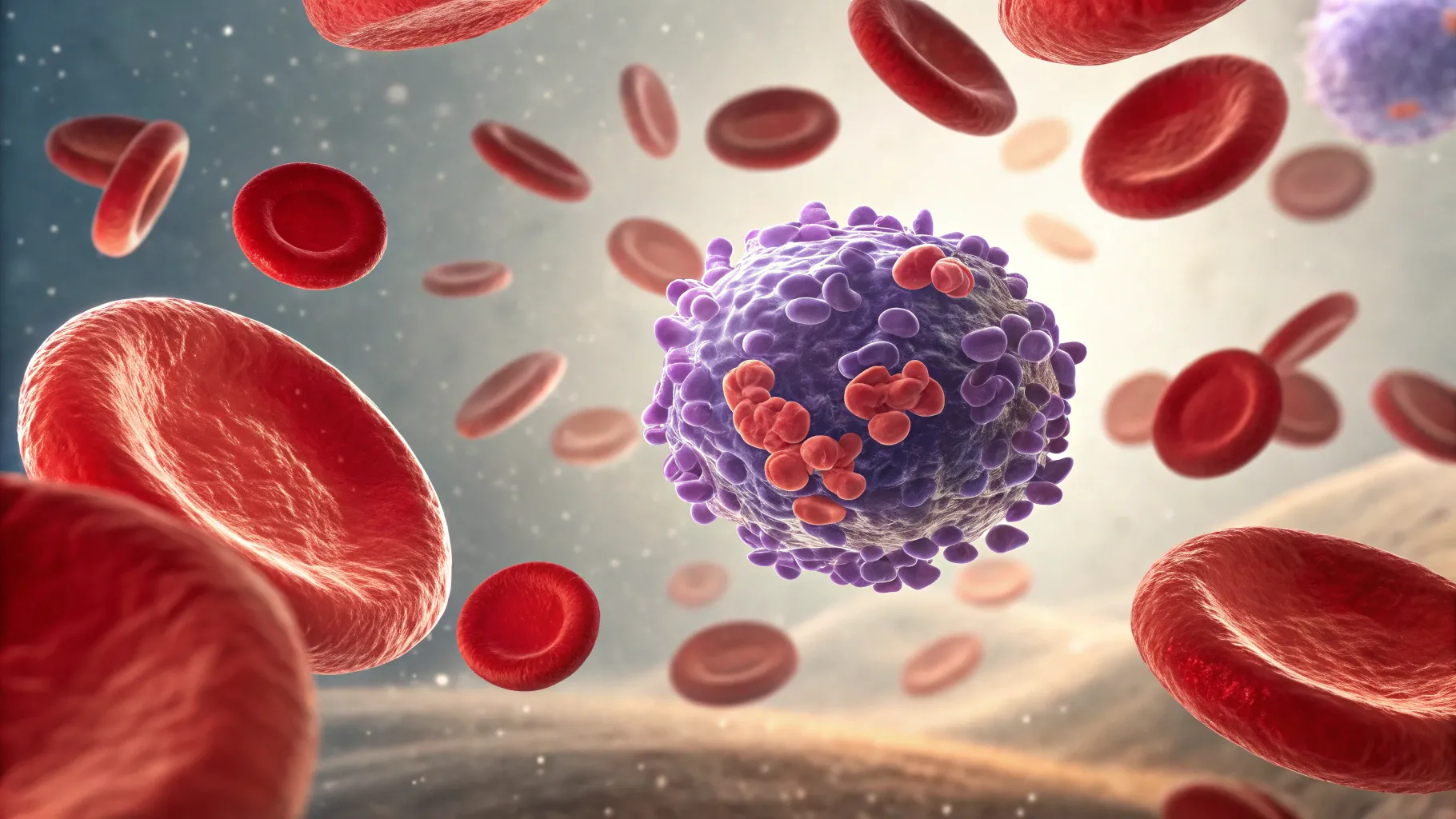
Myelodysplastic Syndromes (MDS) are a group of complex and diverse bone marrow disorders. At its core, MDS is a type of cancer where the bone marrow fails to produce enough healthy, mature blood cells, leading to a shortage of red blood cells, white blood cells, and platelets. This failure results from abnormalities in the blood-forming stem cells. For anyone seeking to grasp the fundamentals, understanding myelodysplastic syndrome begins with recognizing it as a disease of cellular production. Instead of developing normally, the immature blood cells, or blasts, may die in the bone marrow or remain in an underdeveloped state. This process, known as dysplasia, is the hallmark of this challenging myelodysplastic syndrome blood disorder, leading to various health complications due to low blood counts.
Unraveling the Primary Myelodysplastic Syndrome Causes
The exact trigger for MDS remains unknown in the majority of cases, which are classified as 'de novo' or primary MDS. However, researchers have identified several risk factors that significantly increase the likelihood of developing the condition. Age is the most prominent risk factor, with most diagnoses occurring in individuals over 65. The exploration of myelodysplastic syndrome causes also points towards genetic mutations acquired over a person's lifetime rather than inherited ones. Certain environmental or occupational exposures, such as long-term contact with chemicals like benzene, have been linked to an increased risk. Additionally, a small percentage of MDS cases are therapy-related, meaning they develop after a patient has undergone chemotherapy or radiation therapy for a previous cancer. A thorough informative guide to myelodysplastic syndrome overview must consider these multifaceted origins to provide a complete picture of the disease's etiology.
Symptoms and Diagnosis: Recognizing this Myelodysplastic Syndrome Blood Disorder
The symptoms of MDS are often vague and can be attributed to other conditions, making early diagnosis a challenge. Most symptoms arise directly from the shortage of healthy blood cells, a condition known as cytopenia. Anemia, a lack of red blood cells, is the most common issue and leads to persistent fatigue, shortness of breath, and pale skin. A shortage of white blood cells (neutropenia) can result in frequent or severe infections, while a low platelet count (thrombocytopenia) can cause easy bruising or bleeding. Diagnosis involves a series of tests. A complete blood count (CBC) is the first step, often revealing the low blood cell counts characteristic of this myelodysplastic syndrome blood disorder. To confirm the diagnosis and rule out other diseases, a bone marrow aspiration and biopsy are essential. This procedure allows a pathologist to examine the cells directly for signs of dysplasia, providing a definitive basis for understanding myelodysplastic syndrome in a specific patient.
Navigating the Myelodysplastic Syndrome Life Expectancy
One of the most pressing concerns for patients and their families is the myelodysplastic syndrome life expectancy. It is crucial to understand that MDS is not a single disease but a spectrum of disorders with varying levels of severity. Prognosis can range from months to many years. To provide a more accurate outlook, hematologists use scoring systems, with the most common being the Revised International Prognostic Scoring System (IPSS-R). This system assesses several factors, including the percentage of blasts in the bone marrow, the specific chromosome abnormalities (cytogenetics), and the severity of the low blood cell counts. Based on these factors, patients are categorized into risk groups from very low to very high. This risk stratification is a cornerstone in the informative guide to myelodysplastic syndrome overview, as it directly influences treatment decisions and helps manage expectations regarding the disease's progression.
An Overview of Modern Treatment Approaches
Treatment for MDS is highly individualized and depends on the specific subtype, the patient's risk category, age, and overall health. The primary goals are to improve quality of life, manage symptoms, reduce the need for blood transfusions, and slow the progression of the disease to acute myeloid leukemia (AML). For lower-risk patients, treatment may focus on supportive care, such as blood transfusions and growth factors to stimulate blood cell production. For higher-risk individuals, more intensive therapies may be employed. These can include hypomethylating agents like azacitidine or decitabine, which are chemotherapy drugs designed to improve bone marrow function. In some younger, healthier patients, an allogeneic stem cell transplant is the only potentially curative option, though it carries significant risks. A comprehensive plan for tackling this myelodysplastic syndrome blood disorder requires a multidisciplinary team of healthcare professionals.
Practical Advice for Living with Myelodysplastic Syndrome
Managing life with MDS extends beyond medical treatments. Adopting certain lifestyle strategies can help manage symptoms and improve overall well-being. Here is some actionable advice for patients and caregivers:
- Manage Fatigue: Fatigue is a pervasive symptom. Balance rest with light activity as tolerated. Prioritize tasks and don't be afraid to ask for help from friends and family to conserve energy.
- Prevent Infections: With low white blood cell counts, infection prevention is critical. Practice frequent hand washing, avoid crowds and sick individuals, and maintain good oral hygiene. Report any signs of infection, such as fever, to your doctor immediately.
- Nutritional Support: While no specific diet cures MDS, a balanced, nutrient-rich diet can support your overall health. Focus on getting enough protein and vitamins. Consult with a dietitian to create a plan that addresses your specific needs, especially if you have anemia.
- Seek Emotional and Psychological Support: A chronic illness diagnosis is emotionally taxing. Joining a support group, either online or in person, can connect you with others who are understanding myelodysplastic syndrome from a personal perspective. Professional counseling can also be invaluable.
Frequently Asked Questions
Is Myelodysplastic Syndrome a form of cancer?
Yes, Myelodysplastic Syndromes (MDS) are considered a group of cancers in which immature blood-forming cells in the bone marrow do not mature or become healthy blood cells. It is a type of myelodysplastic syndrome blood disorder that can, in some cases, progress to a more aggressive form of cancer called acute myeloid leukemia (AML).
What are the most important factors in determining myelodysplastic syndrome life expectancy?
The key factors influencing myelodysplastic syndrome life expectancy are classified using the IPSS-R scoring system. This includes the percentage of blast cells in the bone marrow, the types of chromosomal abnormalities found in the cells (cytogenetics), and the severity of low counts of red blood cells, white blood cells, and platelets.
What is the difference between primary and secondary myelodysplastic syndrome causes?
Primary, or 'de novo', MDS occurs without a known cause, which accounts for the majority of cases. Secondary, or therapy-related, MDS develops as a result of prior treatment with chemotherapy or radiation for another condition. Understanding the myelodysplastic syndrome causes is a crucial part of the diagnostic process.
References
- National Cancer Institute (NCI) - Myelodysplastic Syndromes Treatment.
- The Leukemia & Lymphoma Society - Myelodysplastic Syndromes (MDS).
- MDS Foundation - For Patients and Caregivers.
- American Cancer Society - Myelodysplastic Syndromes.