Used Forklift Price Guide: Navigating Industrial Lift Truck Costs
Facts:
- Used forklift market growing.
- Efficiency is key for industrial operations.
Understanding the Factors Influencing Used Forklift Prices
Navigating the market for an industrial lift truck value can be complex, but a clear understanding of the factors influencing used forklift prices is crucial for making a smart investment. This comprehensive forklift buying guide will illuminate the various elements that contribute to the overall forklift cost, ensuring you find a reliable pre-owned forklift that meets your operational needs without overspending.
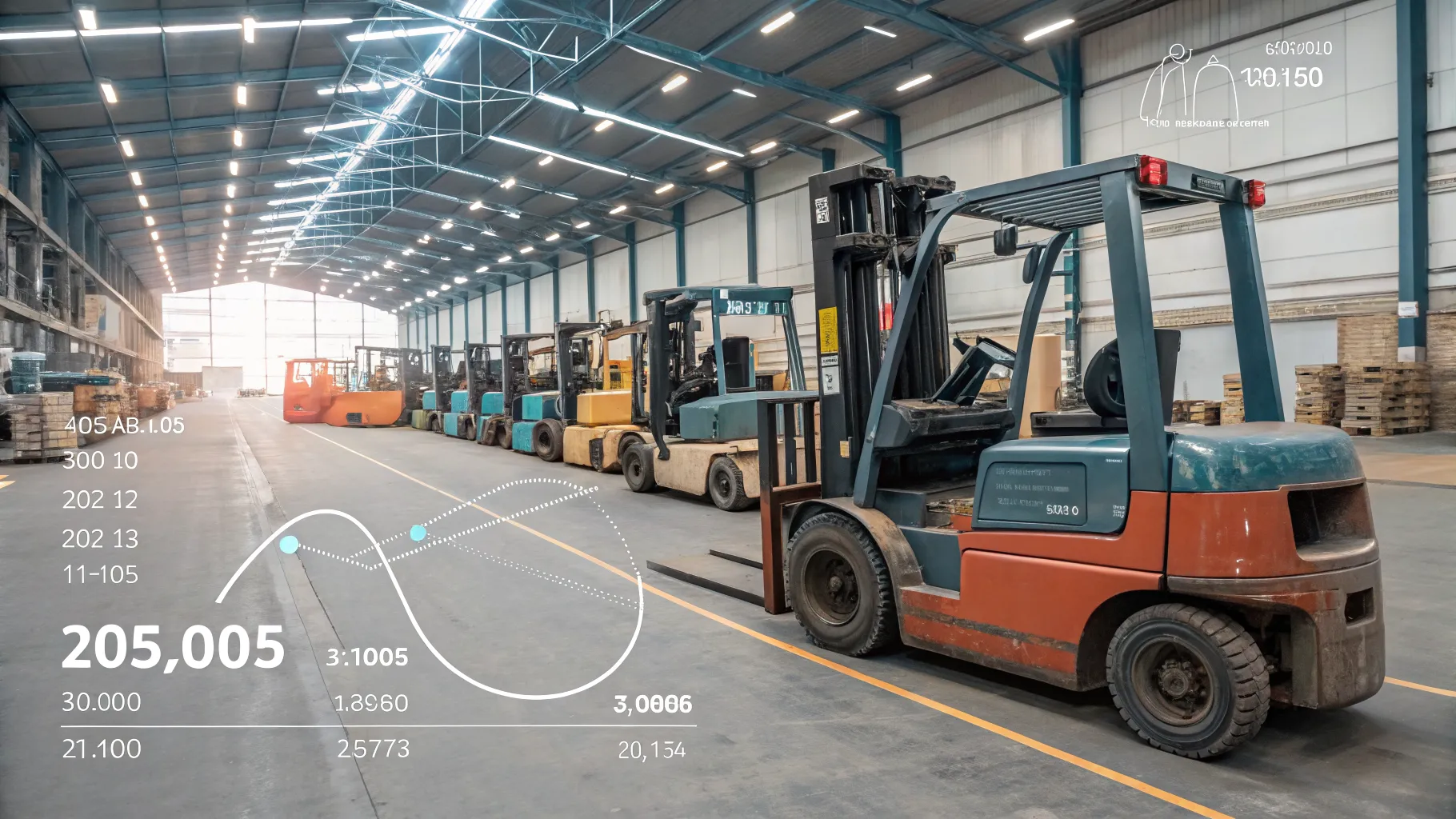
Key Determinants of Used Forklift Price
When evaluating used forklift prices, several critical factors come into play, significantly impacting the final forklift cost. Understanding these elements is paramount for any business looking to purchase a pre-owned forklift. The brand reputation, for instance, often dictates a premium. Established manufacturers known for durability and readily available parts typically command higher prices, even in the used market. Furthermore, the model's age and hours of operation are direct indicators of wear and tear; newer models with fewer operating hours will naturally be priced higher, reflecting their longer potential lifespan and reduced immediate maintenance needs. Buyers should thoroughly investigate these aspects as part of their forklift buying guide process to ensure they are getting appropriate industrial lift truck value for their investment.
Type and Capacity: Essential for Operational Fit
The specific type of forklift, such as counterbalance, reach truck, or pallet jack, and its lifting capacity, are fundamental in determining its used forklift prices. A heavy-duty internal combustion (IC) forklift designed for outdoor use and high lifting capacities will inherently have a higher forklift cost compared to a smaller electric pallet jack. Businesses must accurately assess their operational requirements, including maximum lift height, load weight, and indoor versus outdoor use, to select a suitable pre-owned forklift type. Over-specifying can lead to unnecessary expenses, while under-specifying can result in operational inefficiencies or safety hazards. This initial assessment is a crucial step in any effective forklift buying guide.
Condition and Maintenance History: A Deep Dive into Value
The physical and mechanical condition of a pre-owned forklift, along with its maintenance history, profoundly influences its industrial lift truck value. A well-maintained unit with complete service records indicating regular inspections, timely repairs, and preventive maintenance will command a better price. Conversely, a forklift showing significant cosmetic damage, fluid leaks, or operational issues will have lower used forklift prices, but could also incur substantial repair costs post-purchase. Buyers should insist on a thorough inspection by a certified mechanic and review all available documentation to accurately gauge the unit's true condition and potential future expenses. This due diligence is vital to avoiding unexpected additional forklift cost.
Comparing Used Forklift Options and Their Costs
The market for used forklift prices offers a vast array of options, each with its own advantages and corresponding forklift cost implications. Electric forklifts, for example, are often preferred for indoor operations due to their zero emissions and quieter performance, making them ideal for warehouses and food processing facilities. While their initial pre-owned forklift price might be slightly higher than some IC counterparts, their lower operating costs (electricity vs. fuel) and reduced maintenance requirements (fewer moving parts) can lead to significant long-term savings. On the other hand, internal combustion forklifts, powered by propane, diesel, or gasoline, offer superior power and are better suited for outdoor, heavy-duty applications. Their fuel costs and emission considerations must be factored into the overall industrial lift truck value assessment. This comparison is a cornerstone of an informed forklift buying guide.
Electric vs. Internal Combustion: Long-Term Cost Analysis
A comprehensive analysis of used forklift prices must extend beyond the sticker price to include long-term operational expenses. Electric forklifts typically have a lower total cost of ownership over their lifespan when considering fuel (electricity), maintenance, and consumables. Batteries, while an initial investment, can last many years with proper care. Internal combustion forklifts, while often having lower entry-level forklift cost, incur ongoing expenses for fuel, oil changes, spark plugs, and more frequent engine-related repairs. Environmental regulations and indoor air quality concerns also factor into the decision, potentially adding costs for ventilation systems or specialized filtration for IC models. This nuanced perspective is essential for calculating the true industrial lift truck value.
Brand and Model Popularity: Impact on Resale and Parts
The popularity of a specific brand or model can significantly influence used forklift prices. Brands like Toyota, Hyster, Yale, and Crown are renowned for their reliability and widespread service networks, which contributes to their strong resale value. A popular model from a reputable manufacturer often means easier access to spare parts, qualified technicians, and comprehensive support, reducing downtime and overall forklift cost over its operational life. Conversely, less common brands or discontinued models might offer lower initial pre-owned forklift prices but could lead to challenges in sourcing parts or specialized repairs, potentially increasing long-term expenses. This aspect should be a key consideration in any robust forklift buying guide.
Essential Steps in Your Used Forklift Buying Guide
Define Your Needs Accurately:
Before even looking at used forklift prices, clearly define your operational requirements. Consider the maximum weight you need to lift, the highest shelf you need to reach, the type of terrain (smooth warehouse floor vs. uneven outdoor surfaces), and the typical operating hours per day. Understanding these parameters will narrow down your search to appropriate types and capacities, preventing overspending on features you don't need or purchasing an underpowered unit. This foundational step is the bedrock of an effective forklift buying guide, ensuring that the forklift cost aligns with genuine utility.
Set a Realistic Budget:
Establish a clear budget that accounts not just for the initial pre-owned forklift price but also for potential transportation, insurance, initial servicing, and any necessary attachments or safety features. While lower used forklift prices can be appealing, a unit that requires extensive repairs soon after purchase can quickly exceed the budget. Factor in the long-term forklift cost, including expected maintenance and operational expenses, to get a holistic view of the industrial lift truck value.
Thoroughly Inspect the Forklift:
Never purchase a pre-owned forklift without a comprehensive inspection. Ideally, have a certified mechanic or a trusted technician conduct a detailed assessment. They should check the engine, mast, hydraulics, tires, forks, battery (for electric models), and safety features. Look for signs of significant wear, leaks, or previous poor repairs. Request a load test to ensure the mast and hydraulics perform under stress. This crucial step can save you from significant post-purchase expenses and helps validate the asking used forklift prices.
Review Maintenance Records:
A detailed maintenance history provides invaluable insight into how well the industrial lift truck value has been preserved. Look for records of regular servicing, completed repairs, and part replacements. A lack of comprehensive records can be a red flag, indicating neglect or potential undisclosed issues that could lead to higher forklift cost down the line. Verifiable maintenance history is a strong indicator of a well-cared-for machine.
Consider Warranties and Dealer Reputation:
Purchasing from a reputable dealer often provides an added layer of security. Many dealers offer limited warranties on their pre-owned forklift units, which can provide peace of mind. Research the dealer's reputation, read customer reviews, and ensure they offer reliable post-sales support, including parts and service. While direct private sales might offer lower used forklift prices, they typically come without warranties or support, potentially increasing your risk and overall forklift cost.
Maximizing Industrial Lift Truck Value Through Maintenance
After acquiring a pre-owned forklift, proactive maintenance is paramount to preserving its industrial lift truck value and controlling long-term forklift cost. Regular inspections and adherence to manufacturer-recommended service schedules are essential. This includes daily checks by operators, such as fluid levels, tire pressure, and brake functionality, as well as more comprehensive periodic services performed by qualified technicians. Proper lubrication, timely fluid changes, and prompt attention to minor repairs can prevent small issues from escalating into costly major breakdowns, thereby influencing used forklift prices positively should you decide to resell it in the future. A well-maintained forklift not only operates more efficiently and safely but also retains a higher resale value, offering a better return on your initial investment.
Preventative Maintenance Schedule: A Cost-Saving Strategy
Implementing a rigorous preventative maintenance schedule is a highly effective strategy for managing forklift cost and extending the life of your pre-owned forklift. This involves routine tasks such as checking hydraulic fluid levels, inspecting the mast and chains for wear, examining tires for damage, and ensuring all safety features like lights, horns, and seatbelts are operational. For electric models, proper battery charging and watering protocols are crucial. For IC models, regular oil and filter changes, along with checking spark plugs and air filters, are vital. Documenting all maintenance activities not only helps track service history but also significantly enhances the industrial lift truck value, making it a more attractive asset if you ever decide to sell it, commanding higher used forklift prices.
Regional Market Variations for Used Forklift Prices
The landscape of used forklift prices can vary significantly based on geographical location. Supply and demand dynamics, local economic conditions, and the prevalence of specific industries (e.g., manufacturing, logistics, agriculture) within a region all play a role in determining the average forklift cost. Areas with a high concentration of warehouses or distribution centers might have a more competitive market for pre-owned forklift units, potentially leading to lower prices due to higher supply. Conversely, regions with limited access to major industrial equipment dealerships or higher transportation costs might see elevated used forklift prices. It's crucial for buyers to research local market trends as part of their forklift buying guide to ensure they are getting a fair industrial lift truck value for their purchase. Cross-regional comparisons can sometimes reveal opportunities for savings, even when factoring in freight costs.
Frequently Asked Questions
What is the average useful life of a used forklift?
The average useful life of a pre-owned forklift can range from 10,000 to 15,000 operating hours or approximately 5-10 years, depending on usage intensity, maintenance, and the original quality of the unit. However, with excellent maintenance, many can last much longer, thereby impacting its long-term industrial lift truck value.
How much does a used forklift inspection cost?
A professional inspection for a pre-owned forklift typically costs between $100 and $300, varying by location and the depth of the inspection. This relatively small forklift cost is a wise investment to avoid much larger repair expenses down the line and ensure the accuracy of used forklift prices.
Is it better to buy or rent a used forklift?
The decision to buy or rent a pre-owned forklift depends on your operational needs and budget. Buying is generally more cost-effective for long-term, consistent use, especially if you can find a good industrial lift truck value. Renting is ideal for short-term projects, seasonal peaks, or when capital expenditure is limited. Evaluate the total forklift cost over the projected usage period for both options.
What factors impact the resale value of a used forklift?
Several factors impact the resale value of a pre-owned forklift, including its age, operating hours, overall condition, brand reputation, maintenance history, and current market demand. A well-maintained unit from a reputable brand with a clear service record will command higher used forklift prices on the resale market.
References
- Forklift Industry Trends Report, 2025.
- Industrial Equipment Valuation Handbook.
- Material Handling Equipment Safety Standards Guide.
- Fleet Management Best Practices for Warehouses.