Unlock Pure Water: The Ultimate Guide to Whole House Water Filters
Facts:
- Improve water quality throughout your home.
- Trend for safer water in homes for families seeking better health.
Understanding the Essentials of a Whole House Water Filtration System
A whole house water filtration system is an investment in your home's health and your family's well-being. Unlike point-of-use filters, these comprehensive systems treat all water entering your residence, ensuring every tap delivers purified water. From drinking and cooking to bathing and laundry, a robust water filtration system provides consistent quality, free from unwanted impurities.
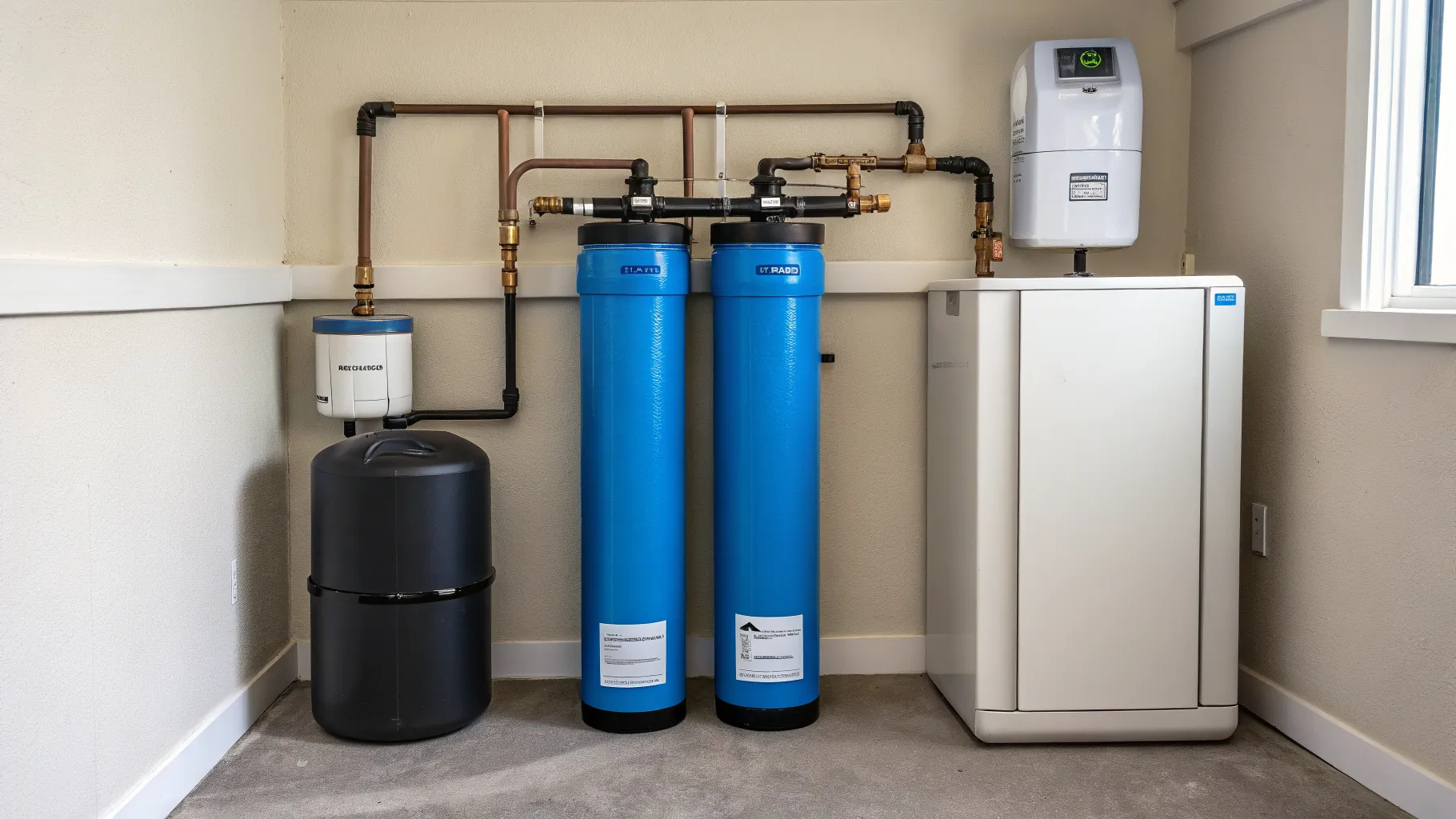
Why Invest in a Whole House Water Filter?
The benefits of installing a whole house water filtration system extend far beyond the kitchen sink. Everyday activities like showering or washing dishes expose you to whatever is in your municipal or well water supply. Unfiltered water can contain a myriad of substances, including chlorine, chloramines, heavy metals, pesticides, and even pharmaceuticals. By treating water at its point of entry, a comprehensive water filtration system provides peace of mind, protecting your skin, hair, and internal systems from potentially harmful chemicals. It also safeguards your appliances, extending their lifespan by reducing scale buildup and corrosion, which are often caused by hard water or excessive mineral content.
Key Components of an Effective Water Filtration System
A typical whole house water filtration system is often a multi-stage unit designed to tackle various water quality issues. The first stage usually involves a sediment filter, which is crucial for removing larger particles like sand, silt, rust, and dirt. This protects subsequent filters from premature clogging, ensuring the entire system operates efficiently. Following the sediment removal, a carbon filter is commonly employed. These filters are highly effective at reducing chlorine, chloramines, volatile organic compounds (VOCs), and other chemicals that affect taste and odor. Advanced systems might include specialized filters for specific concerns like heavy metals, fluoride, or even microbial contaminants. Some homes may also integrate a water softener to address hardness issues, further enhancing the overall water quality experience and extending appliance life.
Choosing the Right Whole House Water Filter for Your Home
Selecting the optimal water filtration system requires understanding your specific water quality challenges. Start with a comprehensive water test to identify contaminants present in your water. This test will reveal levels of hardness, chlorine, heavy metals, and other substances that your filter needs to address. For homes with significant particulate matter, a robust sediment filter is non-negotiable. If you're concerned about taste, odor, and chemical byproducts, a high-quality carbon filter will be essential. Homes with hard water will greatly benefit from integrating a water softener alongside their filtration unit to prevent scale buildup and improve soap lathering. Consider the flow rate capacity of the system to ensure it can meet your household's peak demand without compromising water pressure. Installation and maintenance requirements should also be factored into your decision-making process.
Installation and Maintenance of Your Filtration System
Proper installation is paramount for the efficient operation of any whole house water filtration system. While some DIY enthusiasts might attempt installation, it is often recommended to hire a professional plumber to ensure correct sizing, placement, and connection to your main water line. Incorrect installation can lead to leaks, reduced water pressure, or ineffective filtration. Regular maintenance is equally vital. This primarily involves timely replacement of filter cartridges, especially the sediment filter and carbon filter, according to the manufacturer's recommendations. The frequency of replacement depends on your water quality and household water usage. Neglecting filter changes can lead to reduced flow rates, decreased filtration efficiency, and even the growth of bacteria within the clogged filters. Scheduling annual check-ups with a water treatment specialist can help prolong the life of your system and ensure consistent contaminant removal.
The Long-Term Benefits of Superior Water Quality
Beyond the immediate improvements in taste and smell, investing in a whole house water filtration system offers significant long-term advantages. Protecting your family from harmful chemicals and microbial contaminants contributes directly to better health outcomes, reducing exposure to potential carcinogens and irritants. The extended lifespan of appliances like water heaters, dishwashers, and washing machines due to reduced scale and corrosion can result in substantial cost savings over time. Furthermore, the convenience of having clean, filtered water from every tap eliminates the need for bottled water, reducing plastic waste and contributing to a more sustainable lifestyle. A high-quality water filtration system not only enhances your daily living but also adds value to your home, making it a more attractive and healthier environment for everyone.
Getting Started with Your Whole House Water Filter Journey
- Assess Your Needs: Begin by having your water tested by a certified lab. This will provide a detailed report of contaminants and help you pinpoint the exact type of water filtration system required. Understanding whether you have high levels of chlorine, iron, or hardness will guide your filter selection.
- Research System Types: Explore various whole house water filter technologies, from basic sediment filter and carbon filter units to more advanced reverse osmosis or UV disinfection systems. Compare their effectiveness against specific contaminants, flow rates, and maintenance demands.
- Consider Installation: Decide whether you will opt for professional installation or if you possess the plumbing skills for a DIY approach. Factor in the location of the main water line and space availability for the system.
- Plan for Maintenance: Understand the ongoing costs and effort associated with filter replacements and system upkeep. Ensure you have access to replacement cartridges and know the recommended service intervals for your chosen water filtration system.
- Set a Budget: Whole house water filters vary widely in price. Establish a realistic budget that covers the initial purchase, installation, and recurring maintenance costs to make an informed decision without financial strain.
Frequently Asked Questions
How often should I change my whole house water filter?
The frequency of changing your whole house water filter depends on several factors, including your water quality, household water usage, and the specific type of filter. Typically, sediment filter cartridges may need to be replaced every 3-6 months, while carbon filter cartridges can last 6-12 months. Always refer to the manufacturer's recommendations for your specific water filtration system to ensure optimal performance and effective contaminant removal.
Will a whole house water filter reduce water pressure?
A properly sized and maintained whole house water filtration system should not significantly reduce your water pressure. However, if the filter cartridges become clogged with sediment or other impurities, it can restrict water flow and lead to a noticeable drop in pressure. Regular replacement of your sediment filter and ensuring your system's flow rate matches your household's demand are crucial for maintaining good water pressure.
Can a whole house water filter remove hard water?
While some whole house water filter systems can reduce certain minerals, a dedicated water softener is typically required to effectively address hard water issues. A standard carbon filter primarily targets chlorine, chemicals, and sediment, not the minerals like calcium and magnesium that cause hardness. For comprehensive hard water treatment, integrating a water softener into your overall water filtration system is recommended.
References
- Environmental Protection Agency (EPA) resources on drinking water standards.
- Water Quality Association (WQA) publications on water treatment technologies.
- Independent studies on the efficacy of various water filtration methods.
- Manufacturer specifications and user guides for leading whole house water filter brands.
- Consumer reports and reviews on water filtration system performance.