Unlock Peace of Mind with the Best Smart Home Security Kits
Facts:
- Global smart security market growing rapidly.
- Trend for integrated home monitoring solutions for homeowners.
The Evolution and Essentials of Smart Home Security Kits
In an increasingly connected world, safeguarding your sanctuary has never been more paramount. The emergence of sophisticated Smart Home Security Kits has profoundly transformed how homeowners approach property protection, offering an unparalleled blend of convenience, control, and peace of mind. These comprehensive systems go beyond traditional alarms, integrating seamlessly with your digital lifestyle to provide robust connected home protection against various threats. From deterring intruders to monitoring environmental hazards, modern DIY home security solutions empower individuals with advanced tools at their fingertips. Understanding the core components and capabilities of these advanced wireless security systems is crucial for making an informed decision about your home’s safety posture.
Key Components of Modern Smart Home Security Kits
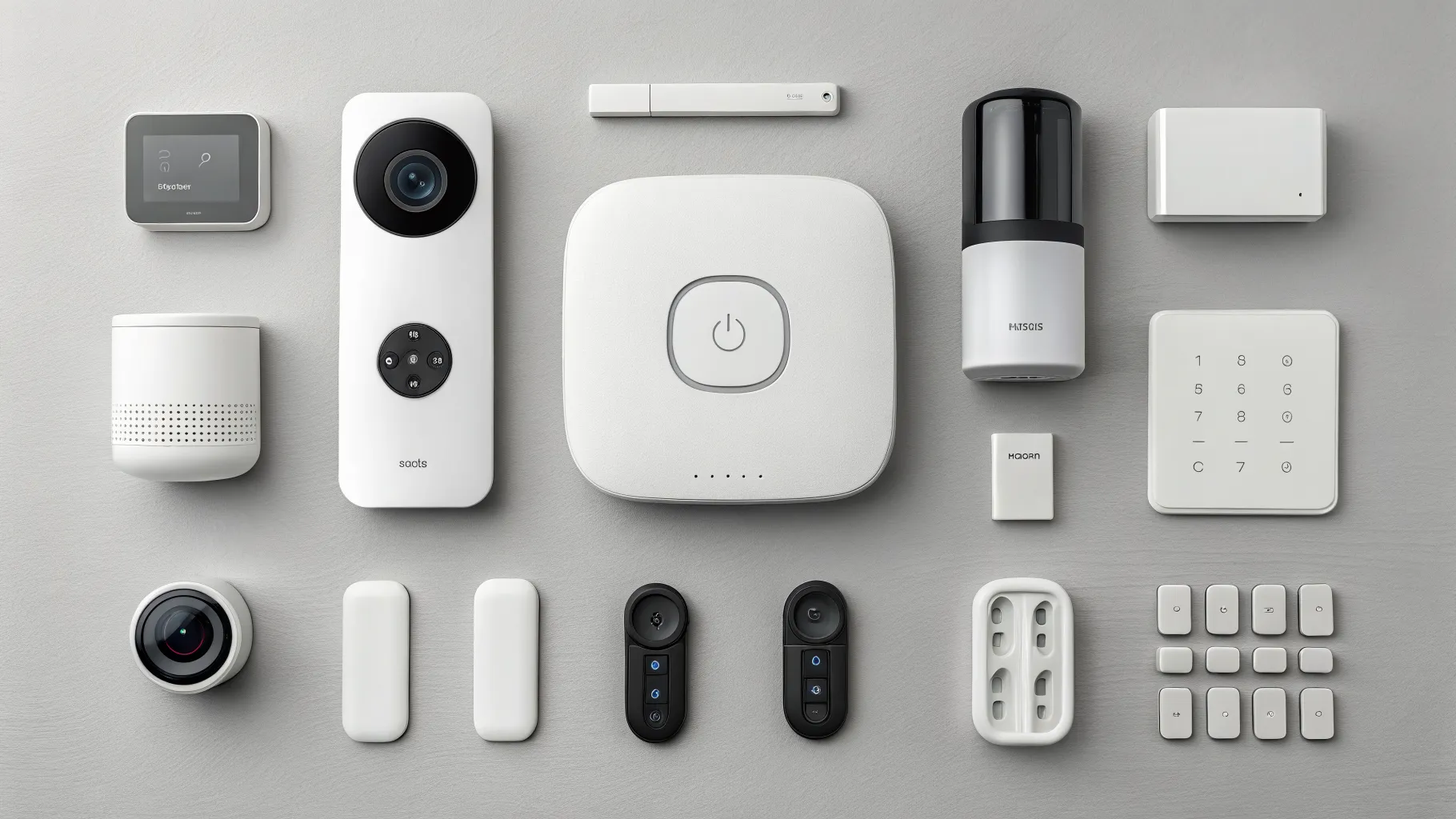
Modern Smart Home Security Kits are meticulously designed ecosystems of interconnected devices, each playing a vital role in providing comprehensive protection. Understanding these individual security components is fundamental to appreciating the holistic strength of the system. These kits are often modular, allowing users to customize and expand their setup based on specific needs and property layouts. The integration of these elements under a unified platform is what truly differentiates a smart system from disparate security devices, enabling seamless communication and coordinated responses to potential threats.
Central Hubs and Control Panels
At the heart of every effective wireless security system lies the central hub or control panel. This device acts as the brain, orchestrating communication between all connected sensors, cameras, and smart locks. It is typically responsible for processing data, triggering alarms, and facilitating remote access and control via a smartphone app. Advanced hubs often feature touchscreens for local management, backup batteries for power outages, and cellular connectivity to ensure continuous monitoring even if your internet goes down. Choosing a hub with robust processing capabilities and broad compatibility with other smart home devices is crucial for a future-proof Smart Home Security Kit.
Advanced Smart Security Cameras
Smart security cameras are indispensable eyes for any robust home monitoring solution. These cameras have evolved significantly, offering high-definition video, night vision, two-way audio, and motion detection with advanced AI capabilities to distinguish between people, pets, and vehicles. Indoor cameras provide surveillance for living spaces, while outdoor cameras are built to withstand the elements and often include features like spotlights and sirens for deterrence. Many smart cameras integrate seamlessly into the overall Smart Home Security Kit, allowing for live viewing, recorded event clips, and cloud storage options, accessible from anywhere via a mobile device.
Door and Window Sensors
Perimeter protection is a cornerstone of DIY home security, and door and window sensors are critical for this purpose. These small, discreet devices are typically two-piece magnetic sensors that detect when a door or window is opened or tampered with. When the magnetic contact is broken, the sensor sends an alert to the central hub, triggering the alarm and notifying the homeowner. Modern sensors are often wireless, easy to install, and boast long battery lives, making them an ideal choice for enhancing any Smart Home Security Kit. Their ability to instantly detect breaches at entry points is invaluable for preventing intrusions.
Motion Detectors and Environmental Sensors
Beyond entry points, motion detectors provide crucial interior coverage, sensing movement within a designated area and triggering an alarm if unauthorized activity is detected. Many contemporary motion sensors are pet-friendly, reducing false alarms from household animals. Furthermore, comprehensive home monitoring solutions extend beyond intrusion detection to include environmental sensors. These can detect smoke, carbon monoxide, water leaks, or extreme temperatures, providing early warnings for potential disasters. Integrating these diverse sensors into a single Smart Home Security Kit offers a multi-layered defense strategy, protecting against a wider array of threats than traditional alarm systems alone.
Smart Locks and Access Control
Integrating smart locks into a Smart Home Security Kit elevates security and convenience. These locks allow homeowners to lock and unlock doors remotely, grant temporary access to visitors or service providers, and receive notifications about door activity. They often feature keypads, fingerprint readers, or even voice control, eliminating the need for physical keys. When connected to the central hub, smart locks can be programmed to work in conjunction with other security events, for example, automatically locking doors when the alarm systems are armed. This seamless integration provides robust access control and enhances the overall security posture of the residence.
DIY vs. Professional Installation: Weighing Your Options
When considering a new Smart Home Security Kit, one of the primary decisions revolves around installation: opting for a DIY home security setup or engaging professional installers. Both approaches offer distinct advantages and disadvantages. DIY home security kits are explicitly designed for easy, user-friendly installation, typically involving wireless components that can be mounted with adhesive or simple screws. This approach offers significant cost savings on installation fees and provides homeowners with complete control over their system's configuration and placement. It empowers users to understand every component of their wireless security systems intimately. However, it requires a certain level of technical comfort and time commitment. Conversely, professional installation guarantees that the Smart Home Security Kit is set up correctly, optimized for your home's unique layout, and fully functional from day one. Professionals can also provide ongoing maintenance and support, which can be invaluable for complex alarm systems. While professional services incur higher upfront costs, they offer peace of mind, especially for those less confident in their technical abilities or with extensive property needs. Many home monitoring solutions providers offer both options, allowing for flexibility based on individual preferences and budgets.
Choosing the Right Smart Home Security Kit for Your Needs
Selecting the ideal Smart Home Security Kit requires careful consideration of various factors to ensure it aligns perfectly with your lifestyle, property, and budget. With the market flooded with diverse wireless security systems and connected home protection options, making an informed choice can seem daunting. Focusing on key criteria will help you navigate the choices effectively and secure a system that truly enhances your safety.
- Assess Your Security Priorities: Begin by identifying your primary concerns. Are you most worried about intrusions, package theft, fire, or water leaks? Different Smart Home Security Kits excel in different areas. Prioritizing your needs will help narrow down options to those offering the most relevant security components and features.
- Consider Connectivity and Integration: Evaluate how well the Smart Home Security Kit integrates with your existing smart home ecosystem (e.g., Google Home, Amazon Alexa, Apple HomeKit). Look for systems that support open standards or offer broad compatibility, ensuring all your devices can communicate seamlessly. Strong Wi-Fi connectivity and optional cellular backup are crucial for reliable home monitoring solutions.
- Evaluate Monitoring Options and Costs: Decide whether you prefer self-monitoring or professional monitoring. Self-monitoring means you receive alerts and are responsible for contacting authorities, offering lower monthly fees. Professional monitoring services involve a central station responding to alarms, providing an added layer of security. Compare the monthly costs and contract terms for different alarm systems to find one that fits your budget.
- Review Scalability and Customization: Think about your future needs. Can the Smart Home Security Kit be easily expanded with additional smart security cameras, sensors, or smart locks? A modular system allows you to start with a basic setup and add components as your needs evolve or your budget allows, offering flexibility and longevity for your connected home protection.
- User-Friendliness and App Interface: A sophisticated Smart Home Security Kit is only as good as its usability. Test out demo apps if available, or read reviews regarding the intuitiveness of the system's control panel and mobile application. Easy access to remote access features, clear notifications, and straightforward system management are vital for a positive user experience and ensuring consistent security.
Frequently Asked Questions
What makes a Smart Home Security Kit different from traditional alarm systems?
A Smart Home Security Kit offers enhanced connectivity, often integrating with other smart home devices and allowing for remote control and monitoring via smartphone apps. Unlike traditional alarm systems that primarily rely on audible alerts, smart kits provide real-time notifications, video surveillance via smart security cameras, and advanced automation features for a more comprehensive and proactive connected home protection approach.
Can I install a Smart Home Security Kit myself (DIY)?
Yes, many Smart Home Security Kits are specifically designed for DIY home security installation. They typically feature wireless components and user-friendly instructions, making them accessible to homeowners without professional help. However, more complex wireless security systems or those requiring extensive wiring may benefit from professional installation to ensure optimal performance and coverage.
Are Smart Home Security Kits reliable without an internet connection?
The reliability of a Smart Home Security Kit without an internet connection varies by system. Many advanced home monitoring solutions offer cellular backup, which allows the system to continue sending alerts and communicating with monitoring centers even if your home's internet goes down. However, features like live video streaming from smart security cameras and remote access control would typically require an active internet connection.
What are the common security components included in a basic kit?
A basic Smart Home Security Kit usually includes a central hub or control panel, one or two smart security cameras (indoor or outdoor), door and window sensors for entry points, and a motion detector. Additional security components like smart locks, environmental sensors (smoke, CO, water leak), and outdoor sirens are often available as add-ons to customize and expand your connected home protection system.
References
- Consumer Reports on Home Security Systems.
- Industry Analysis by TechRadar on Smart Home Trends.
- Research on IoT Device Integration in Residential Security.