Understanding Wet Cat Food Rankings: A Comprehensive Guide
As feline nutrition continues to gain attention, owners often seek the best possible diet for their pets. Wet cat food ranking lists have become a popular tool to help consumers navigate the crowded pet food market. Understanding how these rankings are compiled and what nutritional factors carry the most weight can help owners make informed decisions regarding their pet's health and wellness.
The Importance of High-Quality Wet Cat Food
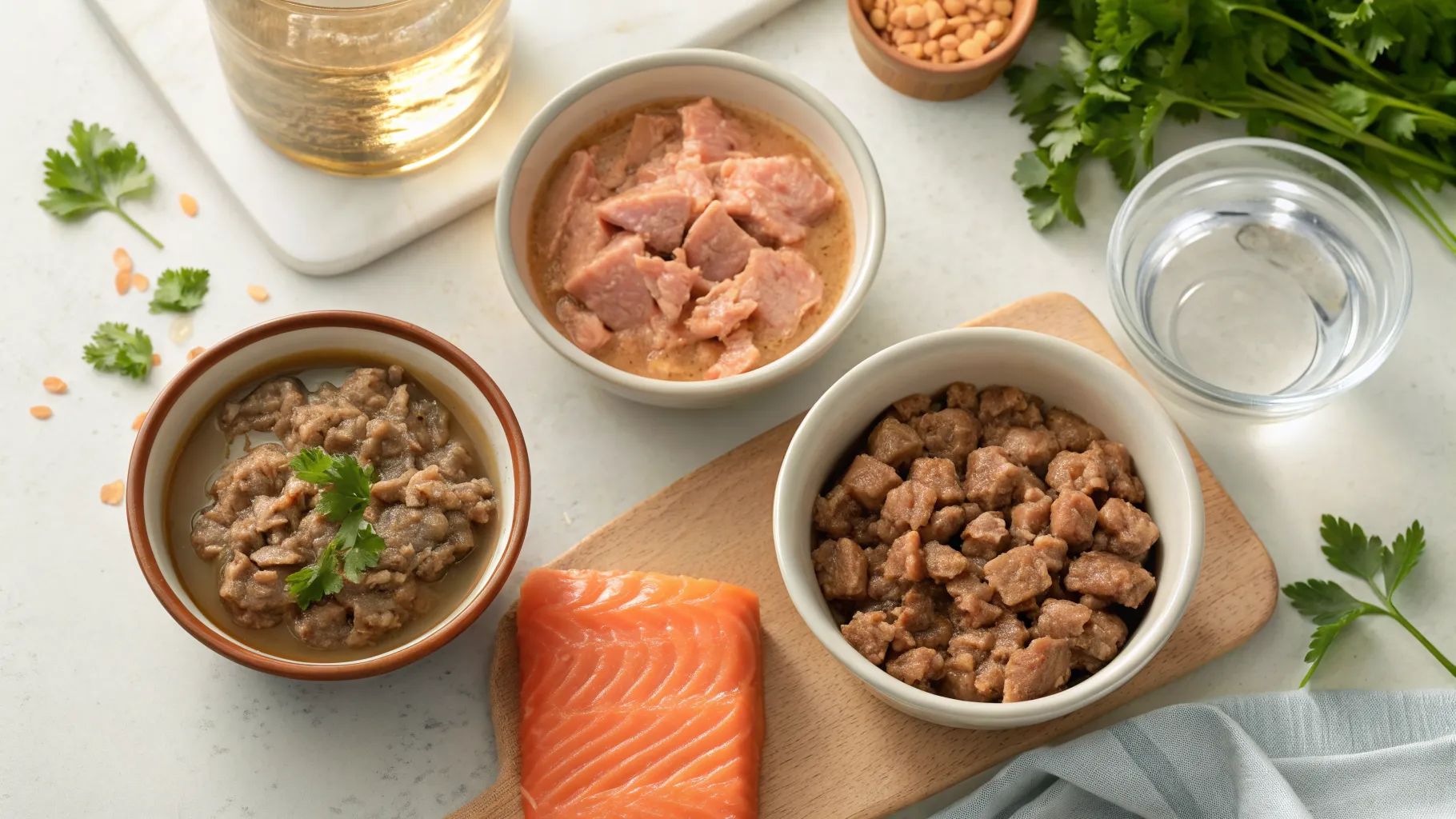
Moisture content is one of the most significant advantages of feeding cats a wet diet. Because domestic cats evolved from desert dwelling ancestors, they naturally have a low thirst drive. Wet food typically contains around seventy to eighty percent water, which closely mimics the moisture levels found in natural prey and helps prevent chronic kidney issues and urinary tract diseases.
Beyond hydration, wet cat food often features a higher protein and lower carbohydrate profile compared to dry kibble. Felines are obligate carnivores, meaning their bodies are designed to process animal protein rather than plant based carbohydrates. A well formulated wet food diet supports lean muscle mass, healthy digestion, and overall vitality in cats of all ages.
Decoding Nutritional Labels and Ingredients
Reading a pet food label can be a daunting task, but it is a critical step in understanding any wet cat food ranking guide. The ingredient list is typically organized by weight, meaning the first few items make up the majority of the recipe. Experts recommend looking for whole meat sources, such as chicken, turkey, or beef, as the primary ingredients.
It is equally important to look for the guaranteed analysis on the label, which provides minimum and maximum percentages of protein, fat, fiber, and moisture. Additionally, check for a nutritional adequacy statement from a recognized regulatory body. This statement confirms that the food meets the minimum nutritional requirements for a complete and balanced diet, ensuring the animal receives all essential vitamins and minerals.
Factors Influencing Wet Cat Food Rankings
When independent organizations or veterinary experts compile a wet cat food ranking, they evaluate several key metrics. Ingredient quality is usually the top consideration, with a strong preference given to human grade meats and a complete absence of vague meat byproducts. Recipes that use named organ meats, like chicken liver or beef heart, also score highly because they provide natural sources of essential nutrients like taurine.
Another critical factor is the carbohydrate content. Since cats do not need carbohydrates to survive, the best wet foods keep these levels as low as possible. Thickeners and binders are also scrutinized in these rankings. Foods that rely on controversial gums often receive lower scores, while those using safer, natural alternatives tend to rank higher in health information guides.
Common Protein Sources and Their Benefits
Poultry is one of the most common and highly digestible protein sources found in top tier wet cat foods. Chicken and turkey offer a lean source of amino acids necessary for maintaining muscle health and a shiny coat. These meats are generally well tolerated by most cats and provide a flavor profile that appeals to picky eaters.
Seafood and red meat are also frequently featured in wet food recipes, though they come with unique considerations. Salmon and tuna are rich in omega fatty acids, which promote healthy skin and reduce inflammation, but fish diets are often recommended in moderation due to potential heavy metal accumulation. Beef and lamb offer rich, high calorie options that can be particularly beneficial for highly active or underweight felines.
Additives and Ingredients to Avoid
A comprehensive health information guide for feline nutrition will always highlight certain ingredients that should be avoided. Artificial colors and flavors are entirely unnecessary for cats, as they are added strictly to appeal to the human buyer. Artificial preservatives have been linked to various health issues over time and are generally excluded from highly ranked wet cat foods.
Vague meat meals and unnamed byproducts are also major red flags in the pet food industry. When an ingredient is simply listed as meat or poultry, it is impossible to determine the source or quality of the protein. By choosing products with clear, identifiable ingredients, cat owners can avoid feeding their pets low quality fillers that provide little to no nutritional value.
Understanding Life Stages and Special Dietary Needs
Not all cats require the same nutritional profile, which is why a reliable wet cat food ranking what to know guide will segment foods by life stage. Kittens require higher calories, fat, and specific minerals to support rapid growth and brain development. Conversely, senior cats often benefit from lower calorie diets that are easier to digest and contain supplements designed to support aging joints.
Cats with specific health conditions also need tailored nutrition. For example, felines diagnosed with chronic kidney disease require diets formulated with restricted phosphorus and highly digestible protein. Those with sensitive stomachs or food allergies might need limited ingredient diets or novel proteins like rabbit or duck. Understanding a cat's individual health status is essential when selecting a product from a top ranked list.
The Role of Independent Testing and Recalls
Trustworthy wet cat food rankings often take a manufacturer's history and transparency into account. Companies that own their manufacturing facilities and conduct rigorous independent testing typically produce safer, more consistent products. This level of strict quality control helps minimize the risk of contamination and nutritional imbalances during the production process.
A brand's recall history is another vital piece of information. While a single recall does not necessarily make a brand untrustworthy forever, a pattern of frequent recalls or a lack of transparency during a crisis is a significant warning sign. Evaluating a company's response to past issues provides valuable insight into their commitment to pet safety and overall product quality.