Understanding Heat Pump Installation Prices
Switching to a heat pump is an increasingly popular choice for homeowners looking for efficient heating and cooling in a single system. However, the installation price can vary significantly, making it essential to understand what goes into the final quote. The total cost is a combination of the equipment itself, the complexity of the labor involved, and several other variables related to your home and location.
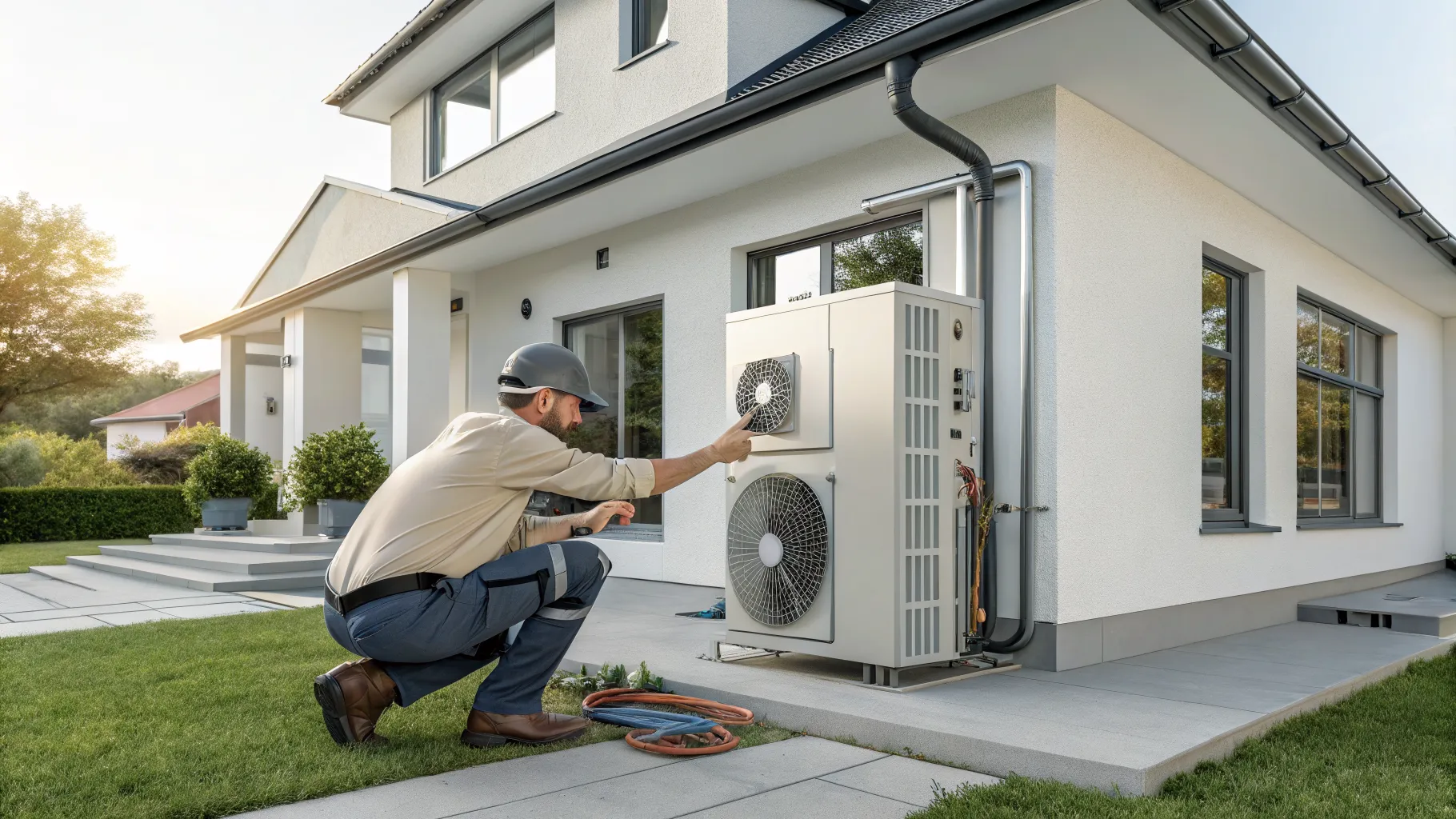
Key Factors Influencing Installation Costs
The final price tag for a heat pump installation is not a single number but a result of multiple contributing factors. The most significant variable is often the size and capacity of the unit, which is determined by your home's square footage, insulation quality, and local climate. A larger home in a colder region will require a more powerful and thus more expensive system than a smaller home in a moderate climate.
Beyond the unit's capacity, several other elements play a crucial role in the total cost. Understanding these can help you anticipate the expenses involved.
- System Type: The choice between an air-source, geothermal, or ductless mini-split system will heavily impact the price.
- Efficiency Ratings: Units with higher SEER2 (Seasonal Energy Efficiency Ratio 2) and HSPF2 (Heating Seasonal Performance Factor 2) ratings cost more upfront but lead to lower energy bills.
- Existing Infrastructure: The condition of your current ductwork is a major factor. Homes without ducts or with ducts that need significant repairs or replacement will incur higher installation costs.
- Labor Complexity: The difficulty of the installation, including accessibility of the installation sites for indoor and outdoor units, will affect labor charges.
Types of Heat Pumps and Their Price Points
The most common type of heat pump is the air-source system, which transfers heat between your house and the outside air. These come in two main configurations: central ducted systems and ductless mini-splits. A central system uses a network of ducts to distribute air, making it a straightforward replacement for homes with existing forced-air furnaces. Ductless mini-splits are great for homes without ductwork or for zoning specific rooms, but the cost increases with each indoor air handler you add.
Geothermal heat pumps are another option, though they come with a much higher initial installation cost. These systems use the stable temperature of the earth to transfer heat, making them extremely efficient. The higher price is due to the need for extensive excavation or drilling to lay underground pipes. While the upfront investment is substantial, geothermal systems can offer significant long-term savings on energy costs and have a very long lifespan.
Breaking Down the Labor Costs
The cost of labor is a significant portion of any heat pump installation quote and covers more than just placing the equipment. Professional installation is critical for the system's efficiency and longevity. Labor charges include the safe removal and disposal of your old HVAC system, precise placement of the new indoor and outdoor units, and running refrigerant and electrical lines between them.
The complexity of the job directly influences the labor hours required. For example, installing a unit in a tight crawlspace or attic will take more time and effort than an easily accessible basement. Furthermore, if your home requires modifications to accommodate the new system, such as altering ductwork, running new wiring, or pouring a new concrete pad for the outdoor unit, these tasks will add to the overall labor expense.
The Role of Brand and Efficiency
While many heat pumps perform similar functions, the manufacturer can influence the price. Well-established brands may have a higher price point due to their reputation for reliability, customer support, and more extensive warranties. It is wise to research different brands and compare their performance reviews and warranty terms rather than choosing based on price alone.
A system's efficiency rating is another key driver of cost. Heat pumps with high SEER2 and HSPF2 ratings are engineered with more advanced components, such as variable-speed compressors, which makes them more expensive. However, this initial investment often pays for itself over the unit's lifespan through lower monthly utility bills. Your climate is a good guide for choosing an efficiency level; colder regions benefit more from a high HSPF2 rating for heating performance.
Additional Costs to Consider
Beyond the main equipment and labor, several other potential costs can arise during a heat pump installation. These are often necessary to ensure the system runs safely and efficiently and complies with local building codes. It is important to ask potential contractors if these items are included in their quote or if they will be separate charges.
Be prepared for the possibility of these additional expenses, as they can impact your final budget. Common add-ons include:
- Electrical Panel Upgrades: Some older homes may need an upgraded electrical panel to handle the load of a new heat pump.
- Ductwork Modifications: If your existing ducts are leaky, poorly sized, or in disrepair, they will need to be sealed, repaired, or replaced for the new system to work effectively.
- Thermostat Upgrade: A new smart or programmable thermostat is often recommended to maximize the efficiency of a modern heat pump.
- Permits: Most municipalities require permits for HVAC installations to ensure the work meets safety standards.
Getting and Comparing Installation Quotes
To ensure you are getting a fair price, it is highly recommended to obtain at least three detailed quotes from qualified, licensed, and insured HVAC contractors. A low-bid quote is not always the best option, as it may signify subpar equipment, an inexperienced crew, or hidden costs that will appear later. Look for contractors with positive reviews and a strong local reputation.
When you receive a quote, it should be a detailed, itemized document, not just a single number. A proper quote will break down the costs for the specific model of the heat pump, materials like copper lines and wiring, labor charges, and any necessary permits or additional work. This transparency allows you to accurately compare different offers and understand exactly what you are paying for. Do not hesitate to ask questions about any part of the quote you do not understand.
Rebates, Tax Credits, and Financing
The upfront cost of a heat pump installation can be reduced significantly by taking advantage of various financial incentives. Many governments offer tax credits for installing high-efficiency heat pumps as part of an effort to promote energy conservation. These credits can directly reduce the amount of income tax you owe. Be sure to check for federal, state, and even local municipal programs for which you may be eligible.
In addition to government programs, many utility companies offer rebates to their customers who upgrade to energy-efficient HVAC systems. These rebates can provide an immediate discount on the purchase price. Finally, if the initial cost is a concern, most HVAC installation companies offer financing plans that allow you to pay for the system over time through manageable monthly payments, making this valuable home improvement more accessible.