Understanding Car Roof Racks Clearance for Safe Travel
Facts:
- Roof rack height impacts vehicle overhead clearance.
- Increased awareness for safe garage and drive-through navigation.
Navigating the Crucial Aspect of Car Roof Racks Clearance
Understanding your vehicle's car roof racks clearance is paramount for any driver utilizing these versatile storage solutions. Ignoring the total roof rack height can lead to unexpected and often expensive encounters with low overhead obstacles, from multi-story parking garages to drive-thru windows. This guide delves into the specifics of why measuring your vehicle's overall height, including the attached roof rack and any cargo, is not just a recommendation but a necessity for safe and stress-free travel. Accurate knowledge of your vehicle overhead clearance prevents costly damages and ensures peace of mind on every journey, especially when navigating unfamiliar routes or tight spaces where low clearance warnings are prevalent.
Why Roof Rack Height Matters for Your Journey
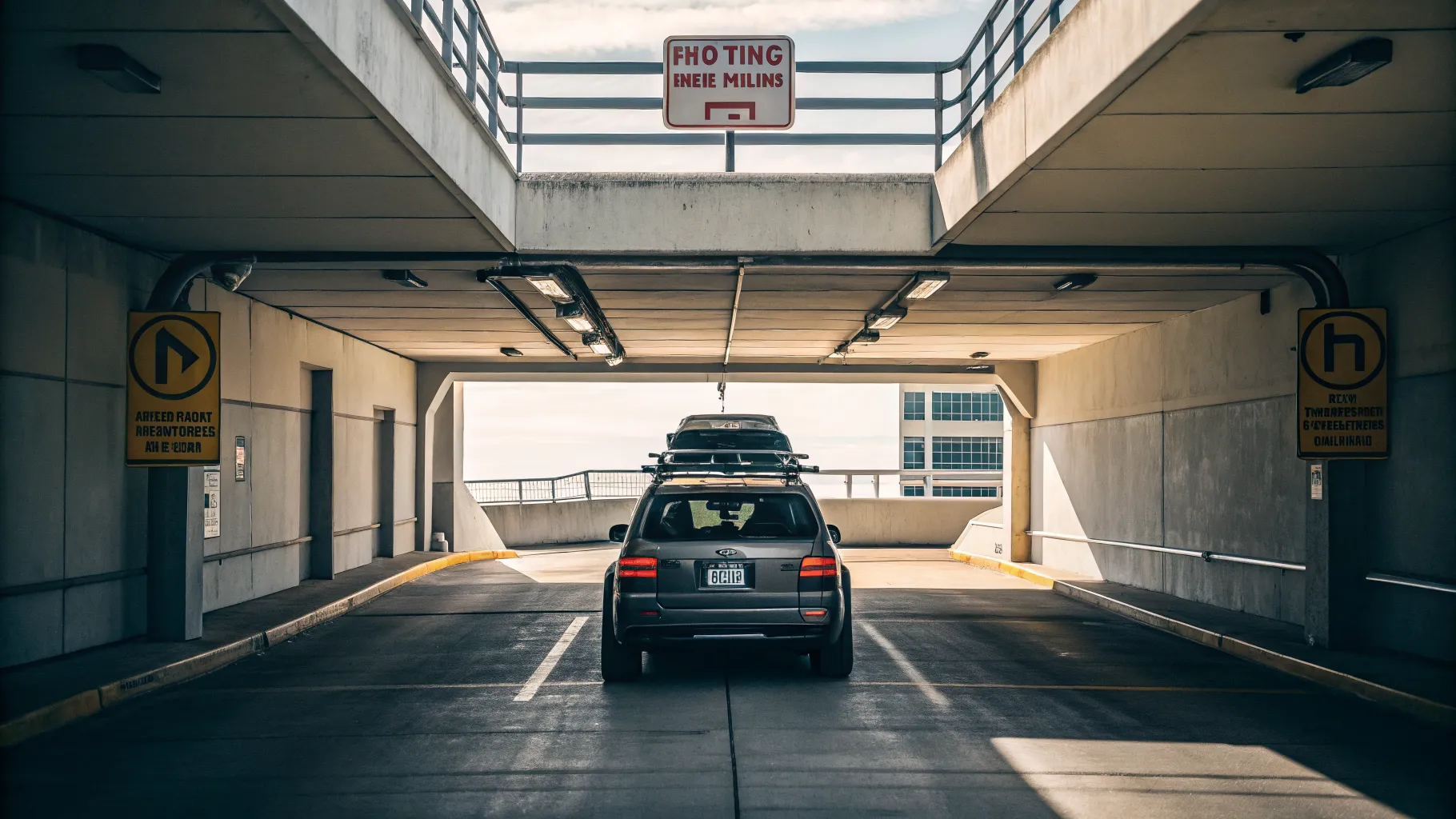
The addition of a roof rack, along with any cargo, fundamentally changes your vehicle's profile, most notably its overall height. This increased roof rack height directly impacts your ability to navigate spaces with restricted overhead clearance. Failing to account for this can result in significant damage to your vehicle, the roof rack itself, and potentially the structure you're attempting to pass through. Consider the structural integrity of your vehicle's roof, the value of your cargo, and the potential for costly repairs or insurance claims. From public parking garages and residential garages to low bridges, tunnels, and even automated car washes, countless scenarios demand precise knowledge of your car roof racks clearance. Each encounter with an unforeseen overhead obstacle can transform a pleasant drive into a stressful and expensive ordeal, highlighting the critical importance of being fully aware of your modified vehicle dimensions and proactively seeking out low clearance warnings.
Essential Steps for Measuring Car Roof Racks Clearance Accurately
To prevent mishaps, the first step is accurate measurement. Park your vehicle on a level surface to ensure a true reading. Using a sturdy tape measure, extend it from the ground to the very highest point of your vehicle, which could be the top of your cargo box, a mounted bike, or even an antenna. This measurement gives you your total vehicle overhead clearance. It's crucial to repeat this process several times to confirm accuracy. Remember, the highest point can vary based on the specific cargo you're carrying, so always measure with your typical load. Understanding how to measure roof rack clearance ensures you have the precise data needed to make informed decisions before entering any potentially low-clearance area. Always consider the variability that different types of cargo can introduce, as a bike rack will yield a different overall height than a sleek cargo box.
Understanding Different Roof Rack Systems and Their Impact
Not all roof racks are created equal, and their design significantly influences the overall car roof racks clearance. Flush rail systems typically sit closer to the roofline, offering a more aerodynamic profile and potentially less added height. Raised rail systems, common on many SUVs and wagons, provide a greater gap between the roof and the crossbars, which can increase the overall roof rack height. Aftermarket crossbar systems vary widely in their elevation. Basket-style racks, while incredibly versatile for carrying various gear, inherently add substantial height due to their raised sides. Before making a purchase, consider the impact on your typical driving environments, especially your home garage clearance. Each system has unique attributes that contribute differently to the overall vehicle height, making it essential to factor this into your measurement and decision-making process.
Strategies to Prevent Low Clearance Warnings Damage
Even with accurate measurements, vigilance is key. Here are actionable steps to avoid incidents:
- Always Measure and Re-Measure: Make it a habit to measure your total car roof racks clearance every time you attach new cargo or a different accessory. Document this measurement clearly inside your vehicle, perhaps on a sun visor or dashboard, so it's always visible.
- Place a Reminder in Your Vehicle: Create a physical reminder, like a sticky note on your dashboard or a programmed alert on your navigation system, stating your vehicle's exact total height. This serves as a constant prompt before entering parking structures or drive-thrus, reinforcing awareness of your increased roof rack height.
- Scout Your Routes: Whenever possible, especially when traveling to new destinations, research potential overhead obstacles along your planned route. Online maps and satellite views can sometimes reveal low bridges or tunnels that might pose a risk to your vehicle overhead clearance.
- Heed All Low Clearance Warnings: Never assume you will fit. If a sign indicates a height restriction that is at or below your measured car roof racks clearance, find an alternative route or parking. These warnings are there for a reason and should always be respected to prevent damage.
- Consider Adjustable Rack Systems: If your lifestyle frequently involves varying cargo heights, explore roof rack systems that offer some degree of adjustability or quick-release mechanisms. While not all systems provide this, some designs allow for minor adjustments to the roof rack height or easier removal of components when not needed, aiding in better garage clearance.
Impact of Cargo on Total Vehicle Overhead Clearance
It's a common oversight to measure the roof rack itself but forget to account for the cargo it carries. A sleek pair of crossbars adds minimal height, but attaching a bulky cargo box, a kayak, or bicycles can dramatically increase your total vehicle overhead clearance. For instance, a bike mounted upright on a roof rack can easily add an extra two to three feet to your vehicle's height. Kayaks and paddleboards, while often lying flatter, still extend above the rack and require careful consideration. Always take the final measurement with all your planned cargo securely mounted. This is especially vital when considering multi-story parking garages or your own home garage clearance, where even a few inches can make the difference between a smooth entry and an expensive collision. Regularly assessing the combined height of your vehicle, rack, and cargo is a fundamental practice for ensuring safety and preventing damage when navigating areas with low clearance warnings.
Frequently Asked Questions
How do I accurately measure my total vehicle overhead clearance?
To accurately measure your total vehicle overhead clearance, park your car on a level surface. Use a sturdy tape measure and extend it from the ground to the very highest point of your car, including the roof rack and any mounted cargo. It's advisable to do this several times to ensure consistency. Always consider the highest point, which could be an antenna, a cargo box, or even the tips of mounted skis.
What are common obstacles for vehicles with high roof rack height?
Common obstacles for vehicles with increased roof rack height include parking garages with restrictive ceiling heights, drive-thru lanes at fast-food restaurants or banks, car washes, low-hanging tree branches, and older bridges or tunnels. Always be vigilant for signs indicating low clearance, as these environments are prime spots for potential damage if your car roof racks clearance isn't known.
Can I adjust my car roof racks clearance?
Some roof rack systems offer a degree of adjustability, particularly those with modular crossbars or detachable components. However, the core mounting points and base feet often have fixed heights. Cargo boxes and accessories are where you have more control; opting for lower-profile designs can help reduce overall vehicle overhead clearance. Always check your rack's specifications for adjustability features.
Why is understanding garage clearance so important for roof rack users?
Understanding garage clearance is critical because multi-story parking garages and home garages are frequent sites of roof rack damage. Many garages have standard height limits that might not accommodate vehicles with roof racks or cargo boxes. Knowing your exact car roof racks clearance prevents scraping, denting, or even tearing off your rack and potentially damaging the garage structure itself.
How can I remember my vehicle's modified roof rack height?
A simple yet effective method is to write your exact car roof racks clearance on a small sticker and place it prominently on your dashboard, sun visor, or even inside your fuel flap. Another strategy is to program the height into your GPS or a reminder app on your phone, prompting you whenever you're near a potential low-clearance area, reinforcing awareness of low clearance warnings.
References
- Vehicle Manufacturer Handbooks
- Automotive Safety Organizations
- Roof Rack System Installation Guides