Choosing the Top Pressure Washer for Driveway Cleaning
Fast Facts:
- Pressure washer sales surge.
- Demand for efficient driveway cleaning tools for homeowners.
Unveiling the Best Tools for Pristine Driveways
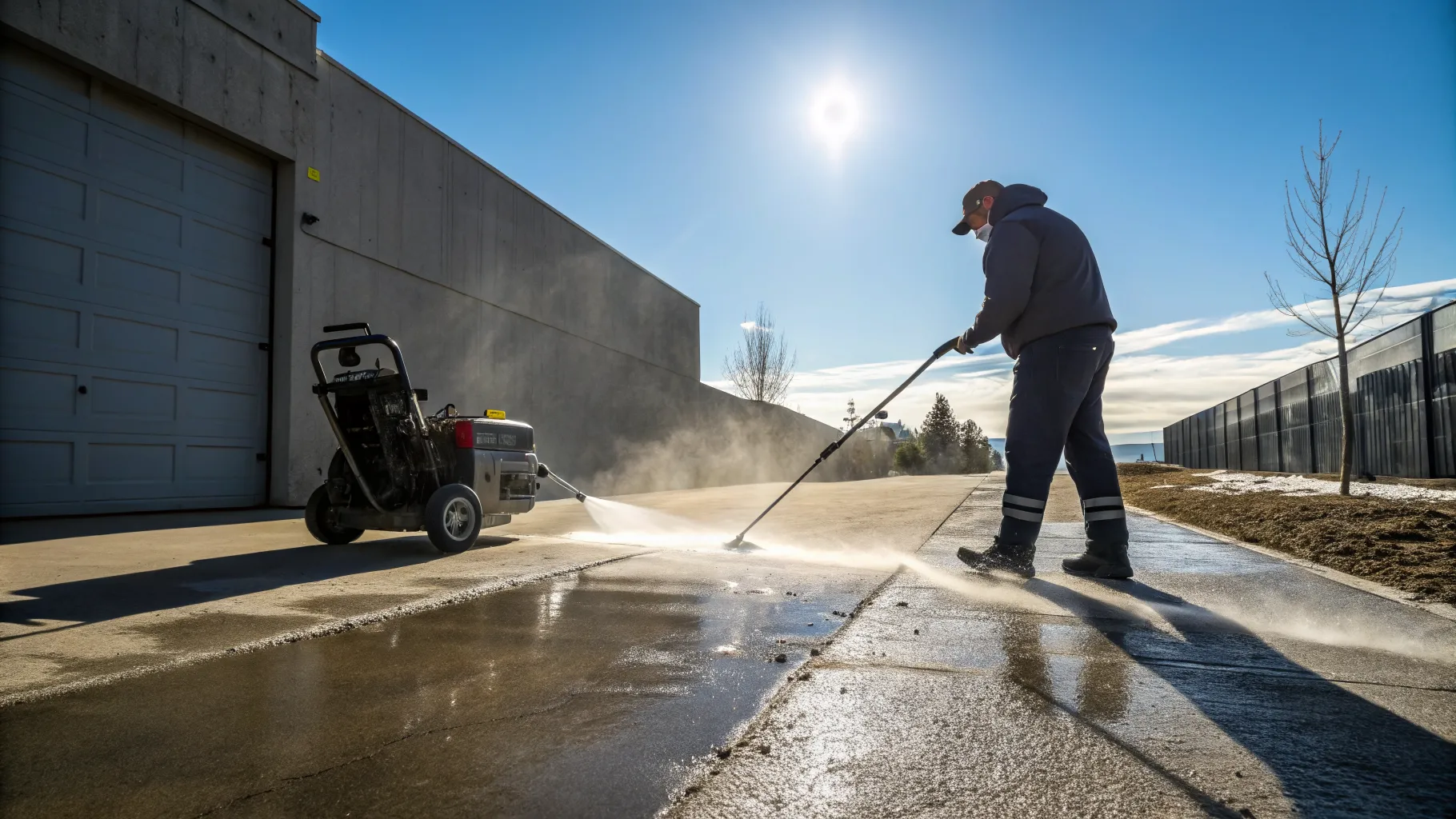
Maintaining a clean and inviting home exterior often begins with a spotless driveway. However, removing stubborn dirt, oil stains, algae, and mildew can be a daunting task without the right equipment. This comprehensive guide will help you navigate the features and options available to select the top pressure washer for driveway cleaning, ensuring your outdoor surfaces look their best. Choosing the correct pressure washer involves understanding key specifications like PSI and GPM, as well as considering the power source that best suits your needs for effective power washing.
Understanding Key Features of a Driveway Pressure Washer
When seeking the ideal pressure washer for your driveway, two critical metrics dominate the discussion: PSI (Pounds Per Square Inch) and GPM (Gallons Per Minute). These figures are not just numbers; they dictate the effectiveness and efficiency of your driveway cleaning efforts. A higher PSI indicates more forceful water expulsion, crucial for dislodging deeply embedded grime and stains. Conversely, a higher GPM signifies a greater volume of water delivered, which translates to faster rinsing and broader coverage, reducing the overall time spent on power washing your driveway. Balancing these two factors is paramount to achieving a thorough yet safe clean across various driveway surfaces, from delicate pavers to robust concrete.
PSI (Pounds Per Square Inch) for Driveways
The PSI rating of a pressure washer is a direct measure of its cleaning power. For typical concrete driveways, a unit delivering between 2000-3000 PSI is generally recommended. This range provides ample force to remove tough stains, dirt, and mold without causing damage to the concrete surface. Asphalt driveways or more delicate pavers might require a lower PSI, often in the 1500-2000 range, to prevent etching or dislodging materials. Understanding the optimal PSI for your specific driveway material is crucial to prevent irreversible damage while still achieving an immaculate clean. Using a pressure washer with excessively high PSI on an inappropriate surface can lead to costly repairs and surface degradation.
GPM (Gallons Per Minute) for Efficiency
While PSI addresses the intensity of the spray, GPM focuses on the volume of water used, directly impacting the speed and efficiency of your driveway cleaning. A pressure washer with a higher GPM will rinse away loosened dirt and debris much faster, enabling you to complete large sections of your driveway in less time. For substantial driveway cleaning projects, a GPM of 2.0 or higher is highly advantageous. This increased water flow not only speeds up the rinsing process but also helps in dislodging more significant accumulations of grime, making the entire power washing process more effective and less labor-intensive. The synergy between adequate PSI and a generous GPM is what defines a truly efficient pressure washer for extensive outdoor cleaning tasks.
Electric vs. Gas: Choosing Your Power Source
The choice between an **electric pressure washer** and a **gas pressure washer** is a pivotal decision that significantly influences the performance, portability, and maintenance requirements for your driveway cleaning tasks. Both types offer distinct advantages and disadvantages, making the 'best' option largely dependent on the size of your driveway, the severity of the cleaning required, and your personal preferences for noise, power, and upkeep. Understanding these differences will guide you in selecting the top pressure washer for driveway use that aligns perfectly with your specific needs and expectations for effective power washing.
Electric Pressure Washers
Electric pressure washer models are generally lighter, quieter, and require less maintenance compared to their gas counterparts. They are an excellent choice for smaller driveways or light to medium-duty driveway cleaning tasks where portability and ease of use are priorities. These units typically offer PSI ranges suitable for removing surface dirt, algae, and light stains without the hassle of fuel mixing or engine upkeep. However, their power output is usually lower than gas models, making them less ideal for very large or heavily soiled driveways. The need for a continuous power outlet also restricts their range and mobility, although longer extension cords can mitigate this to some extent. For those seeking a convenient, eco-friendly option for routine driveway cleaning, an **electric pressure washer** is a strong contender.
Gas Pressure Washers
For tackling extensive, heavily stained, or very large driveways, a **gas pressure washer** is often the superior choice. These machines deliver significantly higher PSI and GPM, providing the raw power needed for challenging power washing jobs, such as removing deep-set oil stains, thick mildew, or caked-on mud. Their independence from an electrical outlet offers unparalleled mobility, allowing you to clean any part of your property without restriction. However, gas models are typically heavier, louder, and require more frequent maintenance, including oil changes and fuel management. They also produce exhaust fumes, necessitating proper ventilation. Despite these considerations, for serious and frequent driveway cleaning or professional applications, the robust performance of a **gas pressure washer** remains unmatched, ensuring you have the strength to tackle any stubborn grime.
Essential Accessories for Optimal Driveway Cleaning
To truly maximize the effectiveness of your pressure washer for driveway cleaning, investing in the right accessories is just as important as choosing the right unit. These tools can dramatically enhance your cleaning efficiency, improve results, and protect your driveway surfaces. From specialized nozzles to innovative surface cleaners and powerful detergents, each accessory plays a crucial role in transforming a standard power washing session into a highly effective and satisfying driveway cleaning experience. Leveraging these additions will not only make the job easier but also ensure a more uniform and long-lasting clean.
- Select the Right Nozzle: Understanding the color-coded nozzle system is fundamental for effective driveway cleaning. A 25-degree (green) or 40-degree (white) nozzle provides a wide spray pattern, ideal for general cleaning and rinsing large areas, minimizing the risk of damage. For tougher spots, a 15-degree (yellow) nozzle offers more concentrated power, but use with caution. Avoid zero-degree (red) nozzles on most driveways as they can damage surfaces. Selecting the appropriate nozzle helps you tailor the pressure washer's force to the specific task, ensuring thorough cleaning without causing harm.
- Invest in a Surface Cleaner Attachment: For anyone serious about efficient driveway cleaning, a surface cleaner attachment is a game-changer. These disc-shaped tools feature rotating nozzles under a shroud, providing an even, consistent spray pattern that covers a wider area. This design prevents the streaking often associated with wand-only cleaning and significantly reduces the time and effort required to clean large flat surfaces. A surface cleaner attachment ensures uniform results, making your power washing efforts more professional and effective across your entire driveway.
- Utilize Driveway-Specific Detergents: While water alone can do a lot, incorporating a high-quality, biodegradable detergent designed for driveways can dramatically boost your pressure washer's cleaning power. These specialized formulas are designed to break down tough stains like oil, grease, rust, mold, and mildew, allowing the pressure washer to lift them away more easily. Always ensure the detergent is compatible with your pressure washer and safe for the surrounding landscaping. Pre-treating heavily soiled areas with detergent before power washing can yield exceptional results, leaving your driveway looking brand new.
- Proper Technique is Key: Even with the top pressure washer for driveway cleaning and the best accessories, proper technique is paramount. Always work in manageable sections, maintaining a consistent distance between the nozzle and the surface to avoid uneven cleaning or damage. Use overlapping passes to ensure complete coverage and prevent streaking. Start from the highest point and work your way down, allowing gravity to assist in flushing away debris. Practicing good technique ensures a uniform, deep clean and extends the life of your driveway by preventing damage from improper power washing.
Frequently Asked Questions
What is the ideal PSI for a concrete driveway?
For concrete driveways, a pressure washer with 2000-3000 PSI is generally recommended. This range provides enough power for effective driveway cleaning without risking damage to the surface.
Can I use any detergent with my pressure washer for driveway cleaning?
No, it's crucial to use detergents specifically formulated for pressure washer use and safe for the type of surface you are cleaning. Look for solutions designed for driveway cleaning that are biodegradable and won't harm landscaping. Using the wrong detergent can damage your machine or leave residue on your driveway.
How often should I power wash my driveway?
The frequency of power washing depends on factors like local climate, traffic, and surrounding foliage. Generally, cleaning your driveway once or twice a year is sufficient to maintain its appearance and prevent buildup of dirt, grime, and mildew. Regular driveway cleaning can also extend the life of the surface.
Are surface cleaner attachments worth it for driveway cleaning?
Absolutely. A surface cleaner attachment is highly recommended for driveway cleaning. It allows for faster, more even cleaning over large flat areas, significantly reducing the chances of streaking and providing a more uniform finish than using a standard nozzle. It's a key accessory for any serious pressure washer user focusing on large surfaces.
References
- Industry standards for pressure washer ratings.
- Manufacturer guidelines for pressure washer usage.
- Expert reviews on driveway cleaning techniques.
- Studies on effective outdoor surface maintenance.