Discovering The Best Hydrating Serum for Skin: Your Guide to Radiant Complexion
Fast Facts:
- Hyaluronic acid is a key ingredient for hydration.
- Market trend shows increasing demand for plant-based serums for sensitive skin.
Unveiling the Secrets of The Best Hydrating Serum for Skin
Achieving a plump, radiant complexion often hinges on one crucial step in your skincare routine: incorporating a high-quality hydrating serum. Far more than just a moisturizer, the best hydrating serum for skin delivers concentrated active ingredients deep into the epidermis, targeting dryness, fine lines, and dullness at their source. This guide will navigate you through the world of advanced skin hydration, helping you understand what makes a serum truly effective and how to select the perfect one to transform your complexion. Prepare to unlock unparalleled skin hydration and embrace a luminous glow.
Understanding the Power of Hydrating Serums
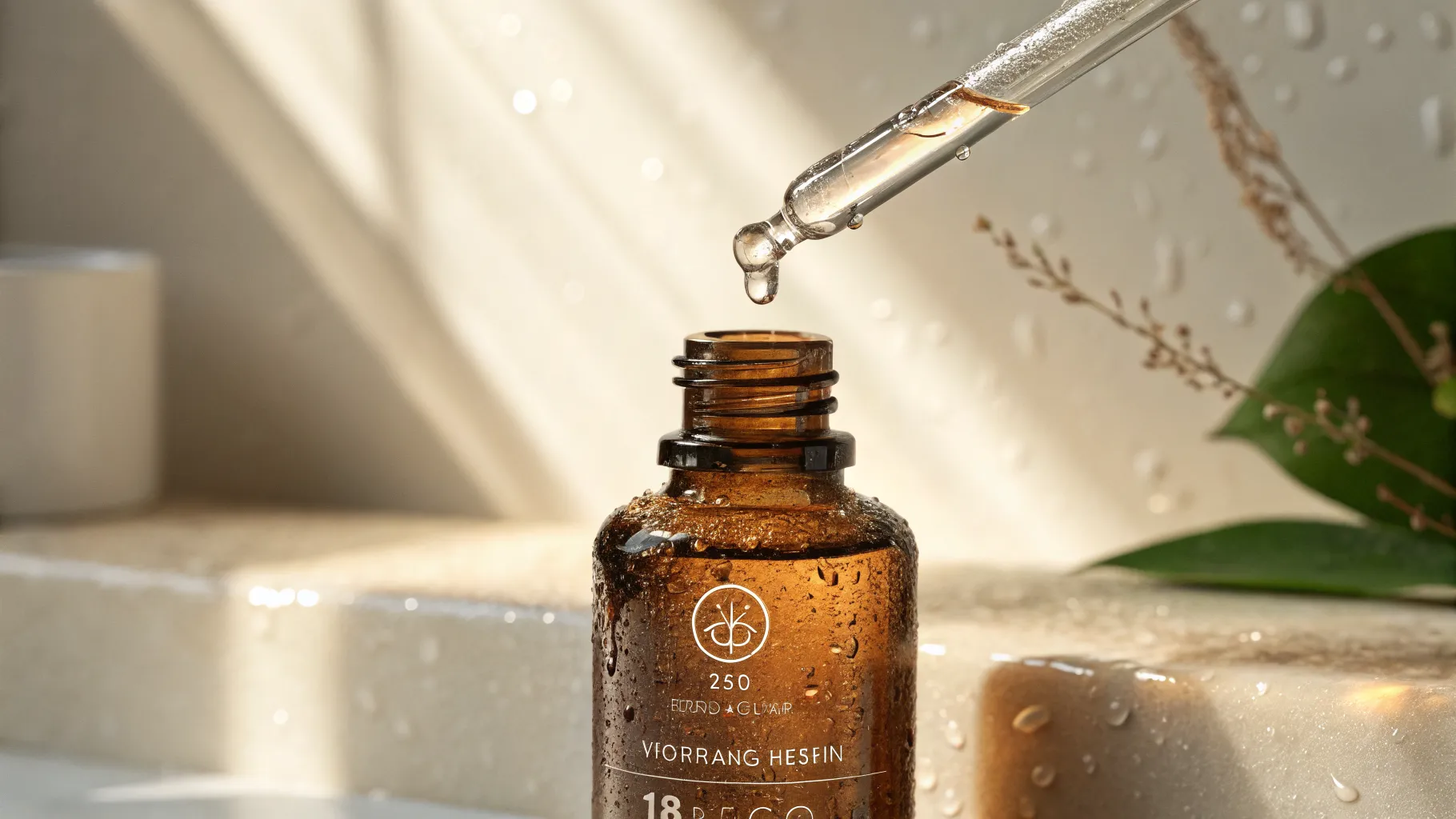
A hydrating serum is a lightweight, concentrated liquid formula designed to deliver a potent dose of active ingredients directly to your skin. Unlike heavier creams, serums are formulated with smaller molecules that can penetrate deeper into the skin's layers, providing intense skin hydration and targeting specific concerns. The primary goal of the best hydrating serum for skin is to replenish moisture, strengthen the skin barrier, and enhance overall skin health, leading to a smoother, more supple texture and a youthful glow. Key ingredients often include humectants, emollients, and occlusives, working synergistically to attract and seal in moisture.
Essential Ingredients to Look For in Hydrating Serums
When seeking the best hydrating serum for skin, ingredient knowledge is paramount. Understanding what each component does will help you make an informed choice. Here are the powerhouse ingredients you should prioritize:
Hyaluronic Acid: The Ultimate Moisture Magnet
Hyaluronic acid (HA) is perhaps the most well-known and widely acclaimed ingredient for skin hydration. This powerful humectant can hold up to 1,000 times its weight in water, drawing moisture from the environment and deeper skin layers to the surface, effectively plumping up the skin and reducing the appearance of fine lines. Look for serums with different molecular weights of HA, as smaller molecules penetrate deeper while larger ones work on the surface for immediate effects. A well-formulated hydrating serum will leverage this multi-molecular approach to provide comprehensive hydration.
Glycerin: A Foundational Hydrator
Often overshadowed by HA, glycerin is an incredibly effective and affordable humectant. It works similarly to hyaluronic acid by attracting water to the skin, helping to maintain its moisture balance. Glycerin is gentle, non-comedogenic, and suitable for all skin types, making it a staple in many dermatologist-recommended hydrating formulas. Its presence ensures consistent and deep hydration, contributing significantly to a healthy, resilient skin barrier.
Ceramides: Fortifying the Skin Barrier
While not direct hydrators like HA or glycerin, ceramides are crucial lipids that make up a significant portion of the skin's natural barrier. A healthy barrier prevents trans-epidermal water loss (TEWL), meaning ceramides help to lock in the moisture that hydrating ingredients provide. Including ceramides in your hydrating serum ensures that the newfound skin hydration is retained, leading to long-term skin health and resilience. This is particularly vital for achieving that coveted dewy skin look.
Vitamin B5 (Panthenol): Soothing and Repairing
Panthenol, or Vitamin B5, is a humectant with excellent soothing and healing properties. It not only helps to attract and retain moisture but also aids in repairing the skin's barrier function and reducing inflammation. For individuals with sensitive or compromised skin, a hydrating serum containing panthenol can provide significant relief and promote a healthier, more comfortable complexion. It's a fantastic complementary ingredient for achieving truly healthy and hydrated skin.
Choosing The Best Hydrating Serum for Your Skin Type
Selecting the best hydrating serum for skin depends heavily on your individual skin type and concerns. What works wonders for oily skin might not be ideal for very dry or sensitive complexions. Understanding your skin's unique needs is the first step towards finding your perfect hydration match.
For Dry and Dehydrated Skin
If your skin constantly feels tight, flaky, or lacks radiance, you likely have dry or dehydrated skin. Look for a rich hydrating serum packed with multiple humectants like high concentrations of hyaluronic acid, glycerin, and urea. Serums enriched with ceramides and natural oils (e.g., squalane, argan oil) will also help to replenish lipids and strengthen the skin barrier, sealing in moisture for long-lasting skin hydration and promoting dewy skin.
For Oily and Acne-Prone Skin
Even oily skin needs hydration! Dehydration can actually trigger your skin to produce more oil. Opt for lightweight, non-comedogenic formulas that are water-based. Serums containing lower molecular weight hyaluronic acid, niacinamide (Vitamin B3), and salicylic acid can provide essential moisture without clogging pores, helping to regulate oil production and prevent breakouts while maintaining adequate skin hydration.
For Sensitive Skin
Sensitive skin requires a gentle approach. Seek out fragrance-free, alcohol-free, and hypoallergenic hydrating serum formulas. Ingredients like panthenol, allantoin, and centella asiatica (Cica) can soothe irritation while providing effective skin hydration. Always patch test new products to ensure compatibility and choose serums specifically labeled as dermatologist-recommended for sensitive skin to minimize adverse reactions.
For Mature Skin
Mature skin often experiences decreased natural oil production and reduced hyaluronic acid levels, leading to increased dryness and the appearance of fine lines and wrinkles. The best hydrating serum for skin in this category will feature potent concentrations of multi-molecular hyaluronic acid, peptides, antioxidants (like Vitamin C and E), and growth factors to boost collagen production, intensely hydrate, and restore elasticity for a more youthful, dewy skin appearance.
Expert Tips for Maximizing Your Hydrating Serum's Effectiveness
Getting the most out of your hydrating serum isn't just about choosing the right product; it's also about proper application and integration into your routine. Follow these expert tips to achieve optimal skin hydration and radiance.
Apply to Damp Skin:
Always apply your hydrating serum to freshly cleansed, slightly damp skin. This allows the humectants, like hyaluronic acid, to draw in the existing moisture from your skin and the environment more effectively, enhancing penetration and preventing the serum from drying out too quickly on the surface. A simple spritz of a facial mist before application can work wonders for promoting deeply absorbed skin hydration.
Layer Correctly:
The general rule for layering skincare is thinnest to thickest. Your hydrating serum should typically come after cleansing and toning, but before your moisturizer and sunscreen. If you use multiple serums, apply the thinnest one first. This ensures each product can penetrate optimally and deliver its intended benefits, contributing to overall dewy skin.
Seal with a Moisturizer:
A moisturizer acts as an occlusive layer, sealing in the active ingredients of your hydrating serum and preventing moisture evaporation. Skipping this step can lead to the hydrating ingredients, particularly hyaluronic acid, drawing moisture out of your skin in dry environments, potentially exacerbating dehydration. This final step is crucial for locking in the deep skin hydration you've just applied.
Be Consistent:
Consistency is key for visible results. Use your hydrating serum twice daily, morning and night, as part of your regular skincare regimen. Over time, consistent application of the best hydrating serum for skin will lead to sustained improvements in skin texture, barrier function, and overall radiance, helping you maintain a perpetually dewy skin complexion.
Consider the Climate:
In very dry climates, a single hyaluronic acid serum might not be enough or could even be counterproductive if not sealed properly. In such conditions, consider layering an HA serum with a more emollient, ceramide-rich serum or a heavier moisturizer to ensure that moisture is not only attracted but also effectively retained within the skin. Adjusting your routine to your environment is a mark of a truly effective skin hydration strategy.
Dermatologist-Recommended Hydrating Serums
While personal preference and skin type play a role, many experts agree on certain characteristics that define dermatologist-recommended hydrating serums. These often include:
Formulations with Proven Efficacy:
Products that have undergone rigorous testing and clinical trials to demonstrate their ability to significantly improve skin hydration and barrier function. Look for brands that back their claims with scientific data.
Minimal Irritants:
Free from common irritants like fragrance, essential oils, and harsh alcohols, making them suitable for a broader range of skin types, especially sensitive ones. This ensures that the hydration comes without unwanted side effects.
Synergistic Ingredient Blends:
Serums that combine humectants (like hyaluronic acid and glycerin) with emollients and occlusives (like ceramides or squalane) to provide comprehensive moisture attraction, retention, and barrier support. Such formulations are typically considered the best hydrating serum for skin by professionals.
Appropriate pH Levels:
Formulated to maintain the skin's natural acidic pH (around 5.5), which is crucial for a healthy skin barrier and optimal enzyme function. A balanced pH ensures better absorption and functionality of the active ingredients, leading to more resilient and dewy skin.
Frequently Asked Questions
Can I use a hydrating serum every day?
Yes, most hydrating serum formulations are designed for daily use, both morning and night. Consistent application is key to maintaining optimal skin hydration and achieving long-term benefits for your complexion. Ensure you follow up with a moisturizer to seal in the hydration effectively.
Is a hydrating serum suitable for oily skin?
Absolutely! Even oily skin can be dehydrated, leading to increased oil production. Oily skin types should opt for lightweight, non-comedogenic hydrating serum formulas, often water-based, that provide essential moisture without adding excess oil or clogging pores. Look for serums with lower molecular weight hyaluronic acid.
How is a hydrating serum different from a moisturizer?
A hydrating serum is typically a concentrated treatment with smaller molecules designed to penetrate deeper into the skin to deliver potent active ingredients for specific concerns like intense skin hydration. A moisturizer, on the other hand, usually has larger molecules and forms a protective barrier on the skin's surface to prevent moisture loss and lock in the benefits of the serum. You should use both for comprehensive dewy skin results.
When should I apply my hydrating serum in my skincare routine?
Your hydrating serum should be applied after cleansing and toning, but before your moisturizer or facial oil. Apply it to slightly damp skin to maximize absorption of ingredients like hyaluronic acid. This allows the concentrated ingredients to work effectively before being sealed in by thicker products, leading to superior skin hydration.
Are natural ingredients better in the best hydrating serum for skin?
While natural ingredients can be beneficial, their efficacy and safety vary. What truly defines the best hydrating serum for skin is its formulation, the quality and concentration of active ingredients (whether natural or synthetic), and its stability. Look for scientifically backed ingredients, and don't assume "natural" automatically means "better" or less irritating, especially for sensitive skin. Many dermatologist-recommended options combine the best of both worlds.
References
- American Academy of Dermatology Association. "Moisturizers: Do you need them?"
- Journal of Clinical and Aesthetic Dermatology. "Hyaluronic Acid: A Key Molecule in Skin Aging."
- British Journal of Dermatology. "The importance of ceramides in maintaining skin barrier function."
- International Journal of Cosmetic Science. "Glycerin and the skin barrier: differences from other humectants."