The Enduring Allure of Luxury Mechanical Watches: A Deep Dive into Craftsmanship
Facts:
- Investment in luxury timepieces continues to rise globally.
- Swiss watchmaking innovations are driving new trends in sustainable materials and advanced watch complications for collectors.
The Intricate World of Luxury Mechanical Watches: Engineering and Artistry
The appeal of luxury mechanical watches transcends mere timekeeping; it embodies centuries of engineering prowess, artistic design, and unparalleled craftsmanship. Unlike their quartz counterparts, these exquisite luxury timepieces are powered by miniature, self-contained engines, a symphony of gears, springs, and levers working in perfect harmony. This intricate dance of components is what captivates collectors and enthusiasts alike, offering a tangible connection to the legacy of haute horlogerie. Understanding the profound dedication and skill required to create such marvels is key to appreciating their true value.
Understanding the Core of Mechanical Movement
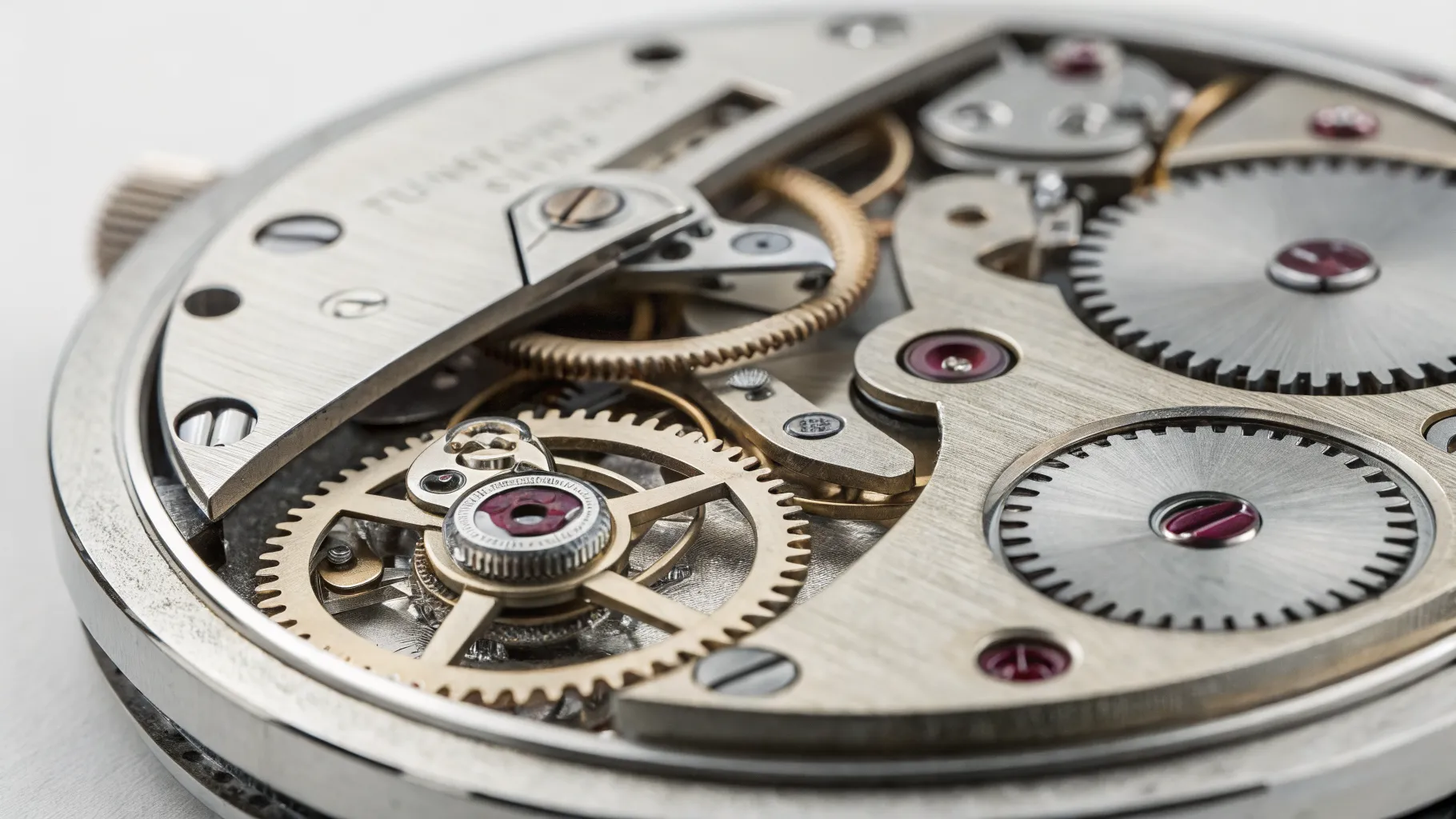
At the heart of every luxury mechanical watch lies a movement, a complex machine composed of hundreds of tiny parts. These movements can be manual-wind, requiring daily winding by the wearer, or automatic (self-winding), where a rotor oscillates with the wearer's motion to power the watch. The precision required to machine and assemble these components is astounding, often involving tolerances measured in microns. This dedication to microscopic accuracy ensures the watch not only keeps precise time but also endures for generations. Each component, from the mainspring to the escapement, plays a critical role in the watch's functionality and its overall aesthetic appeal, making each luxury timepiece a testament to engineering excellence.
The Legacy of Swiss Watchmaking Excellence
For centuries, Switzerland has been synonymous with haute horlogerie and the pinnacle of Swiss watchmaking. Regions like the Vallée de Joux and Geneva are cradles of innovation, where legendary brands have perfected their techniques and passed down expertise through generations. The strict "Swiss Made" designation is a mark of quality, ensuring a significant portion of the watch's production and assembly occurs within Switzerland, adhering to rigorous standards. This commitment to origin and quality safeguards the reputation of luxury mechanical watches and provides collectors with confidence in their investment. The heritage of these watchmakers is not just about making timepieces; it's about preserving an art form and continually pushing the boundaries of what is possible in miniaturized mechanics.
Exploring Advanced Watch Complications
Beyond basic time-telling, many luxury mechanical watches feature watch complications, which are additional functions. These can range from simple date displays to perpetual calendars, chronographs, moon phases, and even minute repeaters or tourbillons. The tourbillon, for instance, is a rotating cage housing the escapement and balance wheel, designed to counteract the effects of gravity on the watch's accuracy. Creating such complications requires immense skill and innovation, elevating the watch from a simple instrument to a wearable piece of complex engineering art. Each complication adds a layer of complexity and fascination, showcasing the unparalleled craftsmanship involved in these luxury timepieces.
The Art of Watch Finishing and Craftsmanship
The beauty of luxury mechanical watches extends beyond their intricate movements to their exquisite finishing. Techniques like Côtes de Genève (Geneva stripes), perlage (circular graining), anglage (beveling), and black polishing are applied to various components, even those hidden from view. These decorative finishes are not merely aesthetic; they demonstrate the watchmaker's dedication to perfection and attention to detail. The hand-finishing process, often taking hundreds of hours, is a hallmark of true haute horlogerie, distinguishing mass-produced items from genuinely bespoke luxury timepieces. This meticulous craftsmanship ensures that every surface reflects light beautifully and contributes to the overall allure of the watch.
Investment and Collectibility of Luxury Timepieces
Many view luxury mechanical watches not just as accessories but as significant investments. Certain brands and limited-edition models can appreciate considerably over time, making them sought-after assets in the secondary market. Factors influencing collectibility include brand heritage, rarity, historical significance, and the complexity of watch complications. Engaging with authorized dealers, understanding provenance, and conducting thorough research are crucial for collectors. The robust market for pre-owned luxury timepieces further underscores their enduring value and appeal, making them a fascinating blend of art, engineering, and financial asset.
Choosing Your Ideal Luxury Mechanical Watch: A Guide
- Define Your Budget and Purpose: Before diving into the vast world of luxury mechanical watches, establish a clear budget. Consider whether the watch is for daily wear, special occasions, or investment. This clarity will narrow down your options significantly, helping you focus on brands and models that align with your financial comfort and intended use for the luxury timepiece.
- Research Brands and Heritage: Explore established brands known for their haute horlogerie and Swiss watchmaking legacy. Brands like Patek Philippe, Audemars Piguet, Vacheron Constantin, and Rolex offer diverse styles and rich histories. Understanding their philosophies and signature watch complications will help you appreciate their distinct appeal and find a watch that resonates with your personal taste and values.
- Consider Movement Type and Complications: Decide between manual-wind, automatic, or even more complex movements. Think about what watch complications are important to you—do you need a chronograph, a moon phase, or simply a time-only piece? The complexity of the movement often correlates with the price and the level of craftsmanship, so prioritize based on your preferences and lifestyle.
- Evaluate Materials and Finishing: Pay attention to the materials used for the case (stainless steel, gold, platinum), dial, and strap. Examine the level of finishing on both the exterior and, if visible, the movement. High-quality materials and meticulous finishing are hallmarks of luxury mechanical watches and contribute significantly to their durability and aesthetic appeal.
- Try Before You Buy and Seek Expert Advice: Visit authorized dealers to try on different watches and experience them firsthand. A watch's comfort and fit are crucial. Don't hesitate to ask sales associates or seasoned collectors for their insights. Their expertise can provide valuable perspectives on specific models, haute horlogerie trends, and long-term ownership considerations for your chosen luxury timepiece.
Frequently Asked Questions
Why are luxury mechanical watches so expensive?
The high cost of luxury mechanical watches stems from several factors: intricate design and engineering, the use of rare and precious materials, extensive hand-finishing, the development of complex watch complications, and the prestige associated with centuries of Swiss watchmaking heritage. Each timepiece represents hundreds or even thousands of hours of skilled labor and meticulous craftsmanship, often involving highly specialized artisans.
Do luxury mechanical watches hold their value?
Many luxury mechanical watches, particularly from renowned brands and limited editions, tend to hold or even increase their value over time. Factors like brand reputation, scarcity, historical significance, and market demand play a crucial role. However, it's not a guaranteed investment, and careful research into specific models and market trends is essential for any potential owner of a luxury timepiece.
How often should a mechanical watch be serviced?
A luxury mechanical watch typically requires servicing every 3 to 5 years. This involves cleaning, lubricating, and adjusting the movement to ensure optimal performance and longevity. Regular maintenance by a certified watchmaker is crucial to preserve the accuracy and functional integrity of these delicate luxury timepieces and to protect your investment.
What is haute horlogerie?
Haute horlogerie is a French term that translates to "high watchmaking." It refers to the art and science of creating extremely complex, finely crafted, and often custom-made luxury mechanical watches. It emphasizes traditional techniques, intricate watch complications, exceptional finishing, and a deep commitment to artistic and technical excellence, characteristic of the finest examples of Swiss watchmaking.
References
- Swiss Federation of the Watch Industry FH. "Key Figures: The Watch Industry in 2023."
- A. B. Complications. "The Art of Mechanical Watchmaking."
- Horology Magazine. "Investment Potential of Vintage Luxury Timepieces."
- G. E. Watch Finishing. "Techniques in High-End Watch Decoration."