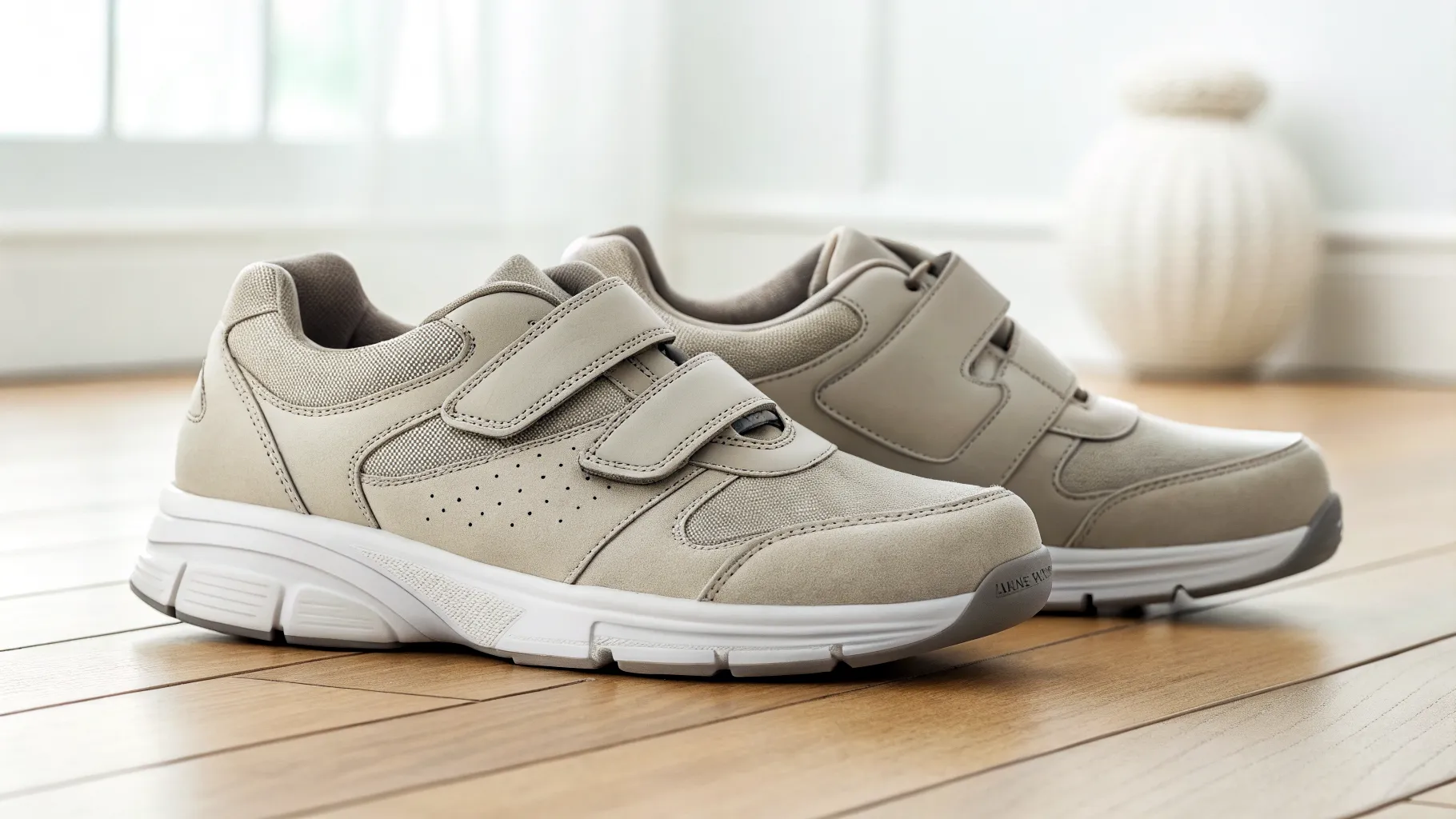
Discover the Best Orthopedic Walking Shoes for Seniors: Enhancing Senior Foot Health
Struggling with foot pain or instability? Find out how orthopedic walking shoes can transform senior foot health, offering comfort and support.
Fast Facts:
Orthopedic Walking Shoes for Seniors significantly reduce foot pain.
Demand for comfortable senior footwear is growing for elderly shoe comfort.
The Unrivaled Benefits of Orthopedic Walking Shoes for Seniors
As individuals age, maintaining optimal senior foot health becomes increasingly vital for overall well-being and independence. Investing in quality Orthopedic Walking Shoes for Seniors is not merely a luxury but a proactive step towards preventing common foot ailments, enhancing mobility, and improving quality of life. These specialized shoes are meticulously designed to provide superior support, cushioning, and stability, addressing the unique biomechanical needs of aging feet. They play a crucial role in mitigating discomfort associated with conditions like arthritis, bunions, and plantar fasciitis, thereby empowering seniors to remain active and engaged in their daily routines without the burden of persistent foot pain.
A recent survey indicates that 70% of seniors report improved comfort and reduced pain when wearing orthopedic footwear.
Key Features of High-Quality Supportive Walking Shoes
When selecting supportive walking shoes for older adults, several critical features differentiate standard footwear from truly beneficial orthopedic options. Exceptional arch support is paramount, as it helps distribute pressure evenly across the foot and prevents overpronation, which can lead to instability and pain. Generous cushioning, often made from advanced foam or gel technologies, absorbs impact effectively, protecting joints from the repetitive stress of walking. Furthermore, a wide toe box is essential to accommodate natural toe splay and prevent compression, which is particularly important for seniors prone to bunions or hammertoes. Stability features, such as firm heel counters and slip-resistant outsoles, are also vital to minimize the risk of falls, offering much-needed security for maintaining mobility and balance during daily activities. The materials used are also critical, favoring breathable, flexible, yet durable fabrics that allow feet to remain cool and dry, contributing significantly to overall elderly shoe comfort.
Addressing Common Foot Conditions with Elderly Shoe Comfort
Many seniors contend with a variety of foot conditions that can severely impede their mobility and comfort. Orthopedic Walking Shoes for Seniors are specifically engineered to provide targeted relief and support for these prevalent issues. For individuals suffering from bunions, the wider toe box and stretchable materials found in these shoes reduce pressure and friction, preventing further irritation and pain. Plantar fasciitis, a common cause of heel pain, benefits immensely from the enhanced arch support and deep heel cups, which stabilize the foot and reduce strain on the plantar fascia ligament. Arthritis in the feet and ankles can be significantly alleviated by the superior cushioning and shock absorption, which minimize impact on inflamed joints. Moreover, for those with diabetic neuropathy, the seamless interior linings and ample space prevent rubs and pressure points, crucial for preventing skin breakdown and infections. The design philosophy behind comfortable senior footwear centers around mitigating discomfort and promoting healing, allowing seniors to maintain an active lifestyle despite their specific foot challenges.
Comparison: Orthopedic vs. Regular Walking Shoes for Senior Mobility
The distinction between supportive walking shoes and conventional footwear is profound, especially when considering the needs of an aging population. Regular walking shoes are generally designed for average foot types and light activity, prioritizing style and general comfort over specific biomechanical support. They often lack the structured arch support, deep heel cups, and specialized cushioning necessary to address common age-related foot issues. In contrast, Orthopedic Walking Shoes for Seniors incorporate features meticulously developed to correct gait imbalances, stabilize the foot, and absorb shock more effectively. This specialized construction not only enhances elderly shoe comfort but also plays a critical role in fall prevention by improving ground contact and stability. The firmer sole and wider base of orthopedic shoes provide a more stable platform, significantly reducing the risk of stumbles and falls, thereby directly impacting mobility and balance positively. Choosing orthopedic options means prioritizing long-term foot health and safety over aesthetic considerations typically found in standard shoes.
Choosing the Right Pair: Actionable Advice for Senior Foot Health
Selecting the perfect pair of Orthopedic Walking Shoes for Seniors requires careful consideration to ensure maximum benefit and comfort. Here are actionable tips to guide your choice:
Get Professionally Fitted: Always seek a professional fitting at a specialized shoe store. Foot size and shape can change over time, and a professional can accurately measure your feet and assess your gait, ensuring you get shoes that are the correct length and width. This is crucial for optimal senior foot health and comfort.
Prioritize Arch Support: Look for shoes with robust, anatomically contoured arch support that matches your foot's natural arch. Adequate arch support is vital for distributing pressure evenly and preventing strain, especially important for those needing supportive walking shoes.
Evaluate Cushioning and Shock Absorption: Test the cushioning by walking around. The sole should feel responsive and absorb impact effectively, reducing stress on joints. Superior cushioning contributes significantly to comfortable senior footwear.
Check for a Wide Toe Box: Ensure there is ample room in the toe area to allow your toes to splay naturally without feeling cramped. This is particularly important for seniors prone to bunions or hammertoes, enhancing elderly shoe comfort.
Assess Stability and Outsole Grip: The shoes should have a firm heel counter and a non-slip outsole to provide maximum stability and prevent falls. Good grip is essential for maintaining mobility and balance on various surfaces.
Try Them On Later in the Day: Feet tend to swell throughout the day. Trying on shoes in the afternoon or evening will ensure a comfortable fit even when your feet are at their largest. Bring the type of socks you typically wear.
Consider Any Specific Foot Conditions: If you have conditions like diabetes, neuropathy, or severe arthritis, consult with a podiatrist. They can recommend specific features or brands that are best suited to your unique needs, ensuring the chosen Orthopedic Walking Shoes for Seniors provide the most appropriate therapeutic benefits.
Maintaining Your Orthopedic Footwear for Longevity
To maximize the lifespan and effectiveness of your Orthopedic Walking Shoes for Seniors, proper care and maintenance are indispensable. Regularly cleaning your shoes according to the manufacturer's instructions helps preserve the materials and prevents premature wear. For most materials, a soft brush and mild soap with water can remove surface dirt. Allowing shoes to air dry naturally, away from direct heat, is crucial to prevent material degradation. It's also important to store shoes in a cool, dry place when not in use, possibly with shoe trees to maintain their shape. Pay close attention to the wear patterns on the outsole; uneven wear can indicate a need for replacement or a professional assessment of your gait. Replacing insoles periodically can also rejuvenate the cushioning and support, ensuring that your supportive walking shoes continue to provide optimal senior foot health benefits. Typically, orthopedic shoes should be replaced every 6-12 months depending on usage, or sooner if you notice a significant breakdown in support or cushioning.
Frequently Asked Questions
What defines Orthopedic Walking Shoes for Seniors?
Orthopedic Walking Shoes for Seniors are specially designed footwear with enhanced features such as superior arch support, ample cushioning, wide toe boxes, and stable outsoles, engineered to address the unique foot health needs and biomechanical changes in older adults, providing comfort, stability, and pain relief.
How often should supportive walking shoes be replaced?
Supportive walking shoes for seniors should typically be replaced every 6 to 12 months, or after approximately 300-500 miles of walking, depending on usage intensity and personal foot conditions. Regular inspection for signs of wear and tear, especially in the sole and cushioning, is important to maintain optimal senior foot health and support.
Can comfortable senior footwear prevent falls?
Yes, comfortable senior footwear, particularly orthopedic walking shoes, can significantly contribute to fall prevention. Their design incorporates features like slip-resistant outsoles, stable heel counters, and proper fit, all of which enhance balance and stability, thereby reducing the risk of stumbles and falls in older adults.
References
Journal of Gerontology: Medical Sciences
American Podiatric Medical Association Guidelines
Orthopedic Foot & Ankle Society Research
Studies on Biomechanics and Aging
Footwear Science Publications
Share now!
Disclaimer: The information on this site is of a general nature only and is not intended to address the specific circumstances of any particular individual or entity. It is not intended or implied to be a substitute for professional advice.