A Complete Guide to Sewing Classes for Beginners Over 60
Facts:
- Sewing improves hand-eye coordination and fine motor skills.
- A rising trend in creative hobbies for retirees and seniors.
Embracing a New Craft: The Joy of Sewing After 60
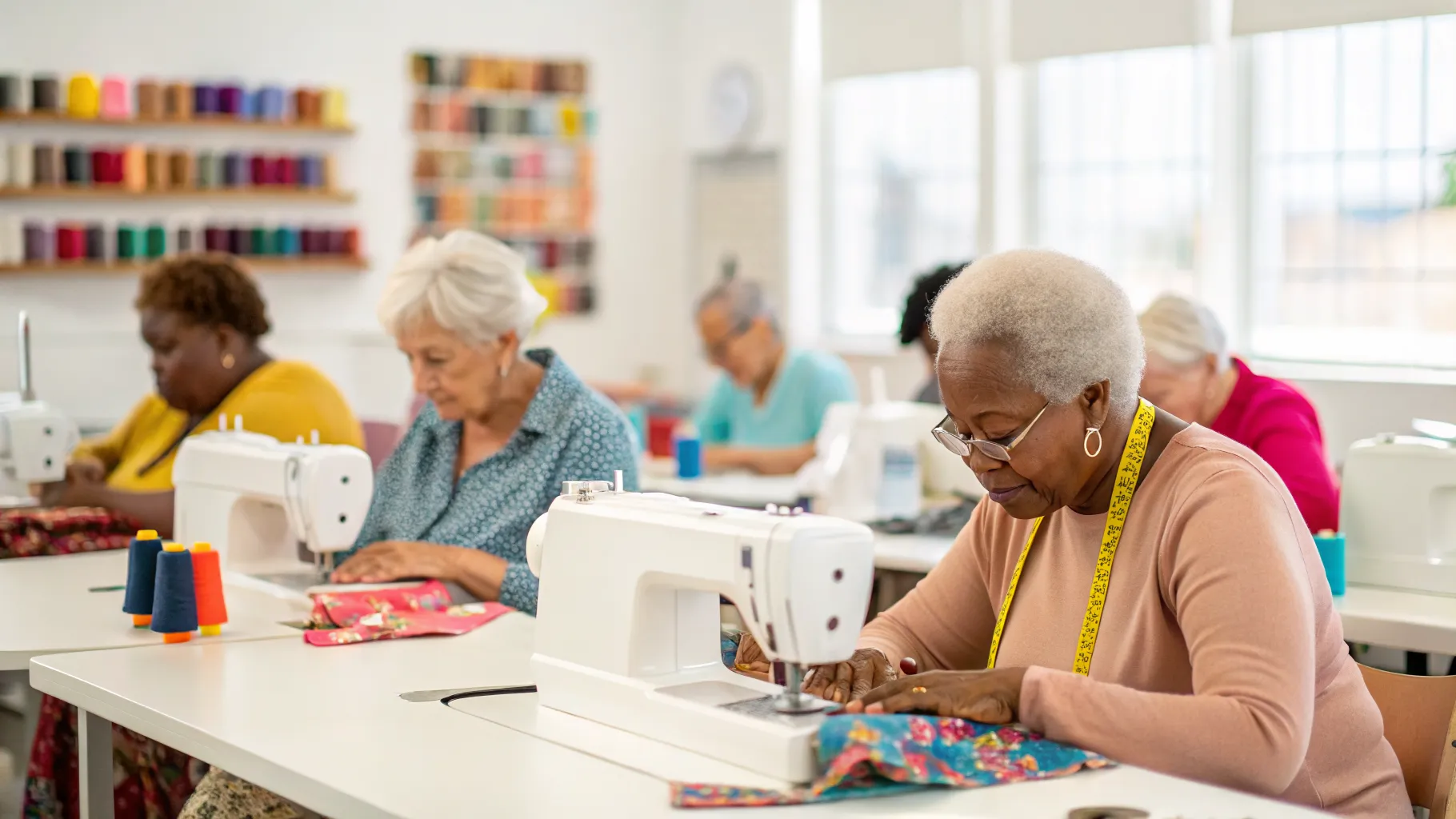
Entering your golden years is the perfect opportunity to explore new passions and learn new skills. If you've ever been curious about creating your own clothes, home decor, or gifts, then enrolling in sewing classes for beginners over 60 is a fantastic place to start. These courses are specifically designed to provide a welcoming, patient, and enjoyable learning environment. You'll find that many beginner sewing workshops seniors focus not just on the craft, but also on building community and sharing a rewarding experience with peers. It's an accessible hobby that offers immense satisfaction and a wonderful creative outlet.
What to Expect in Beginner Sewing Workshops for Seniors
Stepping into your first class can be exciting, and knowing what to expect can make the experience even better. Most sewing courses for retirees begin with the absolute basics. You'll be introduced to the sewing machine: how to thread it, wind the bobbin, and change the needle. Instructors guide you through creating simple, straight stitches before moving on to more complex techniques. Early projects are designed for success, such as making a pillowcase, a simple tote bag, or an apron. The goal is to build your confidence step-by-step. The environment in these workshops is typically very supportive, encouraging questions and allowing you to learn at your own pace, which is a key feature when you want to learn sewing seniors.
Choosing the Right Sewing Courses for Retirees
With a variety of options available, finding the right class is crucial. Community centers often offer affordable introductory courses, providing a great social atmosphere. Private sewing studios might offer smaller class sizes and more specialized instruction. You can also find online workshops, which offer the flexibility of learning from home. When choosing, consider the instructor's experience with teaching older adults, the types of projects offered, and the overall class schedule. Look for reviews that mention a patient and clear teaching style. A good course will make learning how to start sewing over 60 feel less like a challenge and more like an adventure.
Essential Tips on How to Start Sewing Over 60
Getting started on your sewing journey is easier than you think. A few practical tips can make all the difference. These recommendations are especially helpful for those looking into sewing classes for beginners over 60.
- Choose a User-Friendly Machine: You don't need a complicated, computerized machine to start. Look for a reliable mechanical model with basic stitches. Many beginner classes provide machines, so you can try before you buy.
- Gather Basic Tools: Invest in a few quality tools. A sharp pair of fabric scissors, a good seam ripper, quality pins, and a clear measuring tape are essential. Having the right equipment prevents frustration.
- Start with Simple Fabrics: Woven cotton fabrics are the best for beginners. They are stable, don't stretch, and are easy to press and sew. Avoid slippery or very thick fabrics for your first few projects.
- Embrace the Learning Curve: Everyone makes mistakes, especially when learning something new. See every crooked seam as a learning opportunity. Patience is your most valuable tool.
- Join a Community: Connecting with other learners in beginner sewing workshops seniors provides motivation and support. Sharing your progress and challenges with others makes the journey more enjoyable.
Beyond the Seams: The Cognitive and Social Benefits
The rewards of learning to sew extend far beyond the finished product. Engaging in a craft like sewing is excellent for cognitive health, as it requires focus, problem-solving, and planning. The tactile nature of working with fabrics and the rhythmic hum of the machine can be incredibly therapeutic and stress-reducing. Furthermore, joining sewing classes for beginners over 60 is a wonderful way to combat social isolation. It provides a structured reason to get out, meet new people with similar interests, and build lasting friendships. Creating handmade items for family and friends also brings a profound sense of accomplishment and connection.
Frequently Asked Questions
Do I need to buy an expensive sewing machine for sewing courses for retirees?
Absolutely not. Many beginner courses provide machines for students to use during class. If you decide to buy one, a basic, reliable mechanical machine is more than sufficient. Instructors can often recommend affordable models perfect for those who want to learn sewing seniors.
What if I have arthritis or issues with my eyesight?
This is a common concern, but there are many adaptive tools available. Automatic needle threaders, ergonomic rotary cutters, and magnifying lamps can make sewing much more accessible. Many beginner sewing workshops seniors are aware of these needs and can offer helpful solutions.
How long does it take to learn how to start sewing over 60?
The basics can be learned in just a few classes. You'll likely complete your first simple project within the first or second session of most sewing classes for beginners over 60. Like any skill, mastery takes time, but you will be creating tangible items very quickly, which is highly motivating.
References
- Senior Health & Crafting Journal
- Studies in Geriatric Occupational Therapy
- Textile Arts & Aging Community Reports
- National Institute on Aging - Activity & Engagement Studies