Embrace Your Creativity: Sewing Classes for Beginners Over 60
Facts:
- Sewing can significantly improve hand-eye coordination.
- Creative hobbies are a growing trend for active retirees.
Discover the Joy of Stitching: A Guide for Aspiring Sewists Over 60
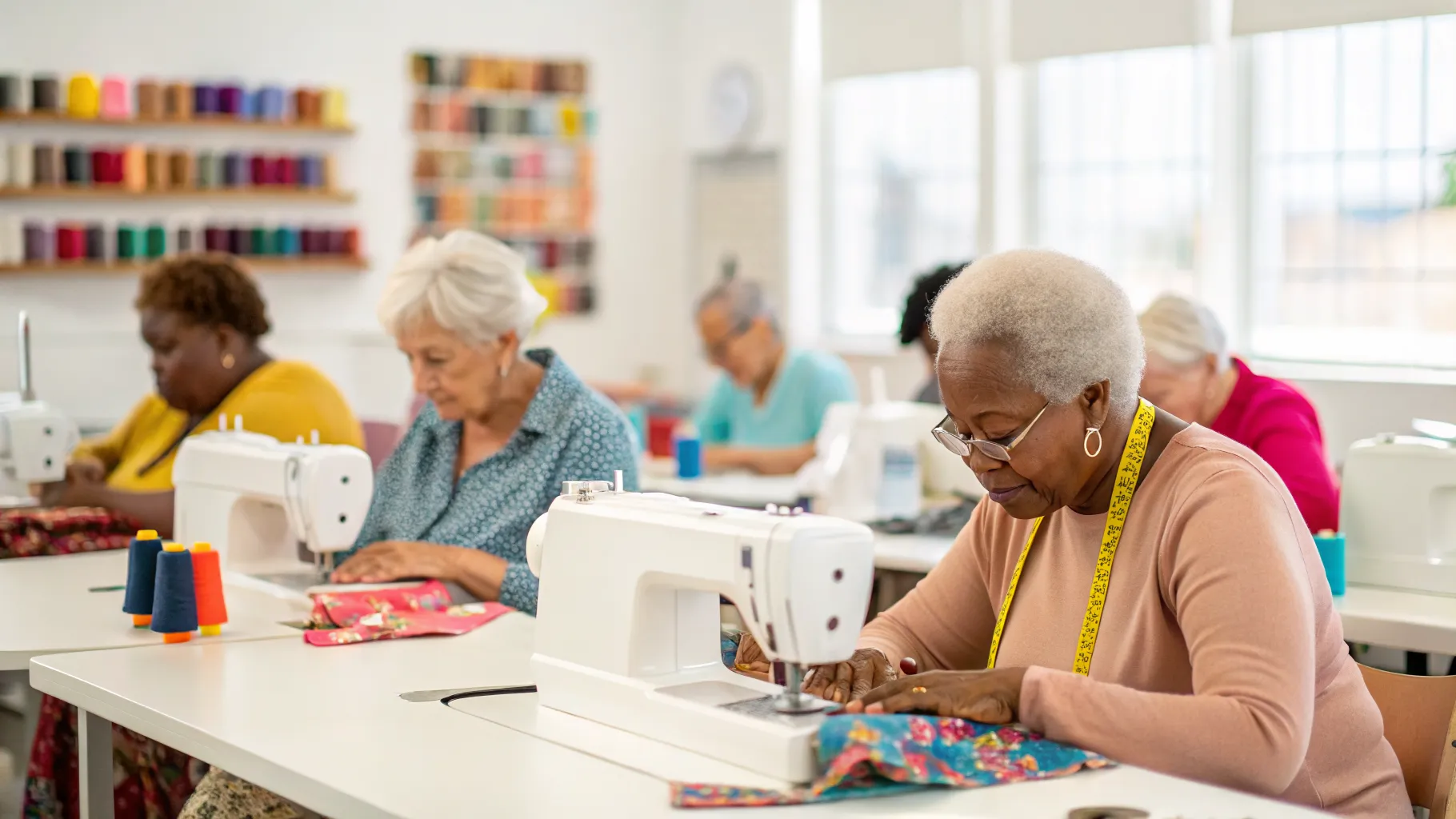
It's never too late to pick up a new, rewarding hobby. If you've ever been curious about creating your own clothes, home decor, or gifts, then exploring sewing classes for beginners over 60 is the perfect first step. These specialized classes provide a supportive, comfortable environment tailored to mature learners, ensuring you can master the basics at your own pace. For many, finding the right sewing courses for retirees isn't just about learning to stitch; it's about unlocking a new passion, meeting like-minded individuals, and creating beautiful, tangible items with your own hands.
What to Look for in Sewing Courses for Retirees
Choosing the right class is crucial for a positive learning experience. When you're searching for beginner sewing workshops seniors will enjoy, there are several key factors to consider. The goal is to find a course that is not only educational but also enjoyable and accommodating. Look for classes with patient instructors who have experience teaching adults and who can adapt their methods to different learning speeds. A comfortable and well-lit environment is also essential. Here are some specific things to look for:
- Small Class Sizes: A smaller group ensures you get personalized attention from the instructor. This is vital when you're just learning how to start sewing over 60 and might have many questions about threading a machine or reading a pattern.
- Experienced Instructors: Look for teachers who specialize in adult education or specifically in teaching seniors. They often have more patience and understand the common challenges beginners face.
- Comprehensive Curriculum: A good beginner's course should cover all the fundamentals, from understanding your sewing machine and basic stitches to completing your first simple project. Ensure the curriculum for the sewing classes for beginners over 60 seems logical and not rushed.
- All Equipment Provided: For your first class, it's ideal if the sewing machine and basic tools are provided. This allows you to try out the hobby before investing in your own equipment.
Getting Started: Simple Projects for Senior Sewists
The best way to learn sewing seniors can find rewarding is by starting with simple, achievable projects. Completing your first item builds confidence and provides a sense of accomplishment. The ideal beginner projects require straight stitches and have simple constructions. These early wins are what make the learning process so enjoyable. Many sewing courses for retirees focus on these types of projects to ensure students don't get discouraged. Consider starting with one of these:
- Pillow Covers: An excellent first project that primarily involves sewing straight lines. You can experiment with different fabrics and colors to match your home decor.
- Tote Bags: A practical and stylish project. Creating a tote bag teaches you how to construct a simple 3D item, attach straps, and finish seams.
- Simple Aprons: Aprons are fun to make and make wonderful gifts. They involve straight stitching, creating ties, and maybe even adding a simple pocket.
- Placemats or Napkins: These are fantastic for practicing hemming and achieving neat, straight edges, a fundamental skill for any sewist.
The Health and Social Benefits of Learning to Sew
Beyond the practical skill of creating items, engaging in sewing offers numerous benefits for seniors. It's a hobby that nurtures the mind, body, and soul. Many people who enroll in sewing classes for beginners over 60 discover that the benefits extend far beyond the sewing room. It's a therapeutic activity that can reduce stress and anxiety by providing a creative outlet. The focus required for sewing can be meditative, helping to clear the mind. Furthermore, the social aspect of group classes provides a wonderful opportunity to connect with peers who share a common interest.
The cognitive advantages are also significant. Learning a new skill like sewing creates new neural pathways in the brain. Reading patterns, measuring fabric, and operating the machine all contribute to keeping the mind sharp. The fine motor skills required for tasks like threading a needle and guiding fabric help maintain dexterity and hand-eye coordination. Attending a beginner sewing workshop for seniors can be a cornerstone of a socially active and mentally stimulating retirement.
Finding the Right Class: Local vs. Online Options
Today, there are more ways than ever to find the perfect sewing class. Your choice between a local, in-person class or an online course will depend on your learning style, location, and schedule. Local community centers, fabric stores, and dedicated sewing studios are excellent places to find in-person sewing courses for retirees. These offer hands-on guidance and a valuable social component. You can ask questions in real-time and get immediate feedback on your technique.
Alternatively, online courses offer incredible flexibility. You can learn from the comfort of your own home and at your own pace, re-watching lessons as many times as you need. This is a great option if you already have a sewing machine and want to learn how to start sewing over 60 without commuting. Many online platforms offer dedicated communities where you can share your progress and ask questions, so you still get a sense of connection with other learners.
Essential Sewing Tools for Your New Hobby
Once you've taken a few classes and decided that sewing is the hobby for you, you might want to set up your own sewing space at home. While the list of potential gadgets is endless, you only need a few key items to get started. Investing in good quality basics will make your sewing journey much smoother. Many beginner sewing workshops seniors attend will provide a list of recommended tools. Here are the absolute essentials:
- A Reliable Sewing Machine: Look for a beginner-friendly model that is sturdy and has basic stitches. You don't need hundreds of decorative stitches when you're just starting out.
- Fabric Scissors: A good, sharp pair of scissors that are used exclusively for cutting fabric is a must-have.
- Pins and a Pincushion: Essential for holding fabric pieces together before and during sewing.
- Measuring Tape: A flexible measuring tape is crucial for taking body measurements and measuring fabric.
- Seam Ripper: Mistakes will happen! A seam ripper is your best friend for undoing stitches without damaging your fabric.
- Thread: Start with a few basic colors like black, white, and grey in a good quality all-purpose thread.
Frequently Asked Questions
Am I really not too old to learn sewing?
Absolutely not! Age is just a number. Creativity has no age limit, and many people discover a passion for sewing well into retirement. The structured environment of sewing classes for beginners over 60 is designed specifically to welcome and support mature learners, making it the perfect time to start.
What is the typical cost for sewing courses for retirees?
Costs can vary widely based on location, duration, and whether materials are included. A single workshop might cost anywhere from $50 to $150, while a multi-week course could range from $200 to $500. Always check what is included in the price before you sign up.
Do I need my own sewing machine for a beginner sewing workshop for seniors?
Most beginner workshops provide sewing machines for students to use during class. This is ideal as it allows you to try the hobby before making a significant investment. However, it's always best to confirm with the class provider when you register.
References
- The Modern Sewer's Handbook for Adult Learners
- Journal of Craft and Cognitive Aging
- Community Education and Lifelong Learning Studies