Embrace Joy: Understanding Rabbit Adoption Companionship for Seniors
Fast Facts:
- Rabbits can live 8-12 years.
- Increased demand for senior rabbit companionship observed among elderly demographics.
The Unique Bond: Why Rabbit Adoption Companionship for Seniors Thrives
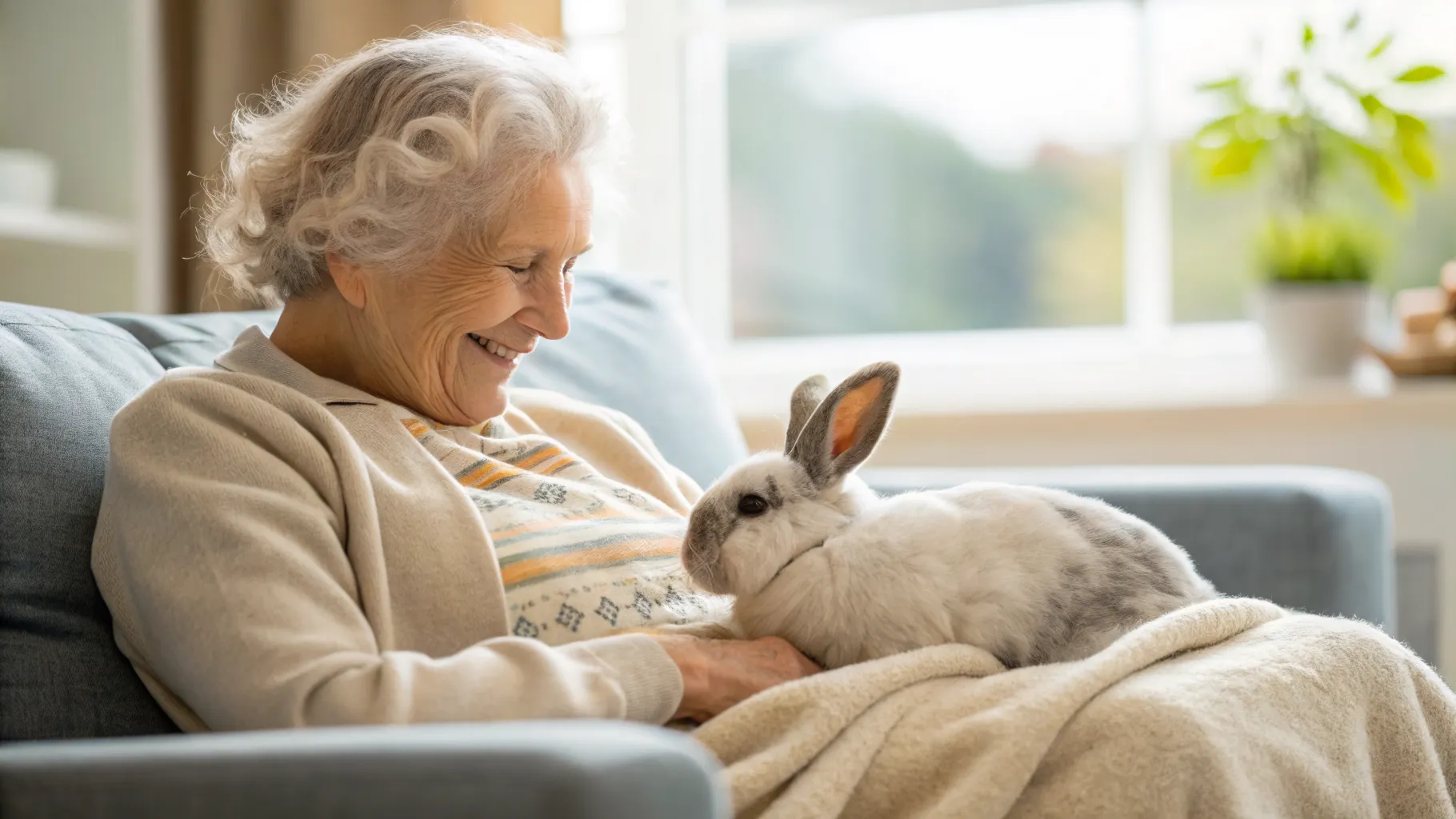
Exploring the profound connection between older adults and rabbits reveals a heartwarming trend in modern pet ownership. Rabbit adoption companionship for seniors offers a unique blend of gentle interaction, quiet presence, and a surprising depth of emotional support, making it an increasingly popular choice for those seeking a loving pet in their golden years. Unlike more demanding animals, rabbits provide a calming influence, promoting a sense of peace and routine that can be incredibly beneficial for mental and emotional well-being. This gentle dynamic fosters a strong bond built on mutual understanding and quiet affection, transforming everyday life with a comforting presence that enriches the senior's environment significantly, providing consistent and unconditional affection.
Understanding the Benefits of Rabbit Ownership for Elderly Individuals
The advantages of rabbit adoption companionship for seniors extend far beyond simple pet ownership, touching on various aspects of health and lifestyle. Rabbits are known for their quiet demeanor and relatively clean habits, making them ideal companions for those who may have limited mobility or prefer a less boisterous pet. Their gentle nature provides a soothing presence, which can significantly reduce stress and anxiety levels. Regular interaction with a rabbit, such as gentle petting or feeding, offers a calming ritual that promotes mindfulness and reduces feelings of isolation. Furthermore, the simple act of caring for another living being provides purpose and a daily routine, which are crucial for maintaining cognitive function and emotional stability in later life. These interactions not only provide mental stimulation but also a source of unconditional love, enhancing overall quality of life and contributing to a more engaged and happier daily existence for seniors.
Choosing the Right Bunny for Seniors: Considerations for a Harmonious Home
Selecting the perfect rabbit for senior rabbit companionship involves careful consideration of several factors to ensure a harmonious match. Older rabbits, or those with calmer temperaments, are often ideal as they are typically past their more energetic, destructive phases and are already litter-trained and socialized. Breeds known for their docile nature, such as Flemish Giants or Mini Lops, can also be excellent choices, though individual personality is always paramount. When considering bunny for seniors, it’s essential to look for rabbits that are comfortable being handled and enjoy gentle human interaction, as this will facilitate a stronger bond. Rescue organizations often have rabbits that have been fostered and their personalities are well-understood, making it easier to find a compatible companion. Taking the time to observe a rabbit's behavior and interact with it before adoption can make a significant difference in the success of the new companionship, ensuring a smooth transition into their new home and enriching the lives of both the senior and the rabbit.
Integrating a Rabbit into an Elderly Lifestyle: Practical Tips and Setup
Successfully integrating a rabbit into an elderly individual's home requires thoughtful planning and a focus on accessibility and safety. The primary setup should include a spacious, easily accessible enclosure or a designated rabbit-proofed area that minimizes bending or reaching. Food and water dishes should be elevated to a comfortable height, and litter boxes should have low sides for easy entry and exit. Creating a safe environment means securing electrical cords, removing toxic plants, and ensuring there are no small spaces where the rabbit could get stuck. Daily care routines, such as feeding and refreshing water, can be simplified with pre-portioned meals or automatic dispensers if needed. For grooming, a soft brush can be used during petting sessions, transforming a chore into an enjoyable bonding activity. Regular veterinary check-ups are crucial for maintaining the rabbit's health, and having a vet who makes house calls or provides transport assistance can be very helpful for elderly pet care. By addressing these practical considerations, seniors can enjoy all the benefits of rabbit benefits for elderly without undue physical strain, ensuring a comfortable and stress-free environment for both the owner and their new companion.
The Emotional and Mental Health Advantages of Rabbit Companionship
The emotional and mental health benefits of rabbit adoption companionship for seniors are profound and multifaceted. Rabbits provide a constant, non-judgmental presence that can alleviate feelings of loneliness and isolation, which are common concerns among the elderly. Their quiet interactions, such as gentle nudges or snuggling, offer a unique form of comfort and affection. Studies have shown that interacting with pets can lower blood pressure, reduce heart rate, and decrease stress hormones, contributing to improved cardiovascular health. For seniors, the responsibility of caring for a rabbit, even a relatively low-maintenance one, provides a sense of purpose and routine. This daily structure can help combat depression and anxiety, fostering a greater sense of well-being and engagement with life. The simple joy of observing a rabbit's playful antics or feeling its soft fur can brighten a senior's day, offering a consistent source of positive emotional input. These myriad rabbit benefits for elderly contribute significantly to a more fulfilling and happier life, demonstrating the therapeutic power of pet companionship.
Beyond the Basics: Enhancing Senior Rabbit Companionship
To truly maximize the joys of senior rabbit companionship, consider activities and environments that enrich both the rabbit's life and the senior's. Creating a safe, rabbit-proofed living space where the rabbit can roam freely for part of the day encourages natural behaviors and provides mental stimulation for the animal, while also offering entertainment for the senior. Interactive toys, such as treat puzzles or cardboard tunnels, can engage the rabbit and provide opportunities for gentle play. For seniors who enjoy gardening, a small, safe outdoor enclosure (supervised) can allow the rabbit to graze on grass, providing fresh greens and stimulating their senses. Regular, gentle petting and soft vocalizations strengthen the bond, making the rabbit feel secure and loved. Learning about rabbit behavior and communication can deepen the understanding between owner and pet, fostering a more responsive and affectionate relationship. Even quiet activities like reading aloud near the rabbit's enclosure can be a comforting experience for both. By investing in these enhancements, rabbit adoption companionship for seniors transforms into a deeply rewarding and enriching experience, promoting mutual happiness and well-being, and providing invaluable elderly pet care.
Frequently Asked Questions
What are the ideal rabbit breeds for rabbit adoption companionship for seniors?
Ideal breeds for seniors often include calmer, more docile rabbits such as Mini Lops, Flemish Giants, or even older rabbits from rescue shelters who have mellowed with age and are already litter-trained. Personality is key, so spending time with the rabbit before adoption is crucial.
How much daily care do rabbits require for elderly pet care?
Rabbits require daily fresh hay and water, fresh greens, and a small amount of pellets. Litter boxes need daily spot cleaning and weekly full changes. They also benefit from daily gentle interaction and supervised exercise time outside their cage. The care level is manageable for most seniors, particularly with appropriate setup.
Can rabbits live indoors exclusively as bunny for seniors?
Yes, rabbits thrive as indoor pets and it's generally safer for them. An indoor environment protects them from predators, extreme weather, and parasites. It also allows for more consistent interaction, strengthening the bond of senior rabbit companionship.
What are some common health issues to be aware of when considering rabbit benefits for elderly?
Common health issues include dental problems, gastrointestinal stasis, and respiratory infections. Regular vet check-ups, a high-fiber diet, and a clean living environment can help prevent many of these. Access to a vet experienced with rabbits is essential.
Where is the best place to find a rabbit for rabbit adoption companionship for seniors?
Animal shelters and dedicated rabbit rescues are excellent places to find rabbits. They often have a variety of ages and breeds, and staff can help match you with a rabbit whose temperament suits your lifestyle. Fostered rabbits often have known personalities.
References
- House Rabbit Society
- American Veterinary Medical Association (AVMA) Pet Ownership Guides
- Journal of Gerontology: Psychological Sciences
- Animal Welfare Institute
- Pet Partners Human-Animal Bond Research