Discover Move-in Ready Shipping Container Homes for Sale in the United States
Facts:
- Rapid construction time for container homes.
- Trend towards sustainable living solutions for eco-conscious buyers.
Embracing the Future: The Appeal of Move-in Ready Shipping Container Homes
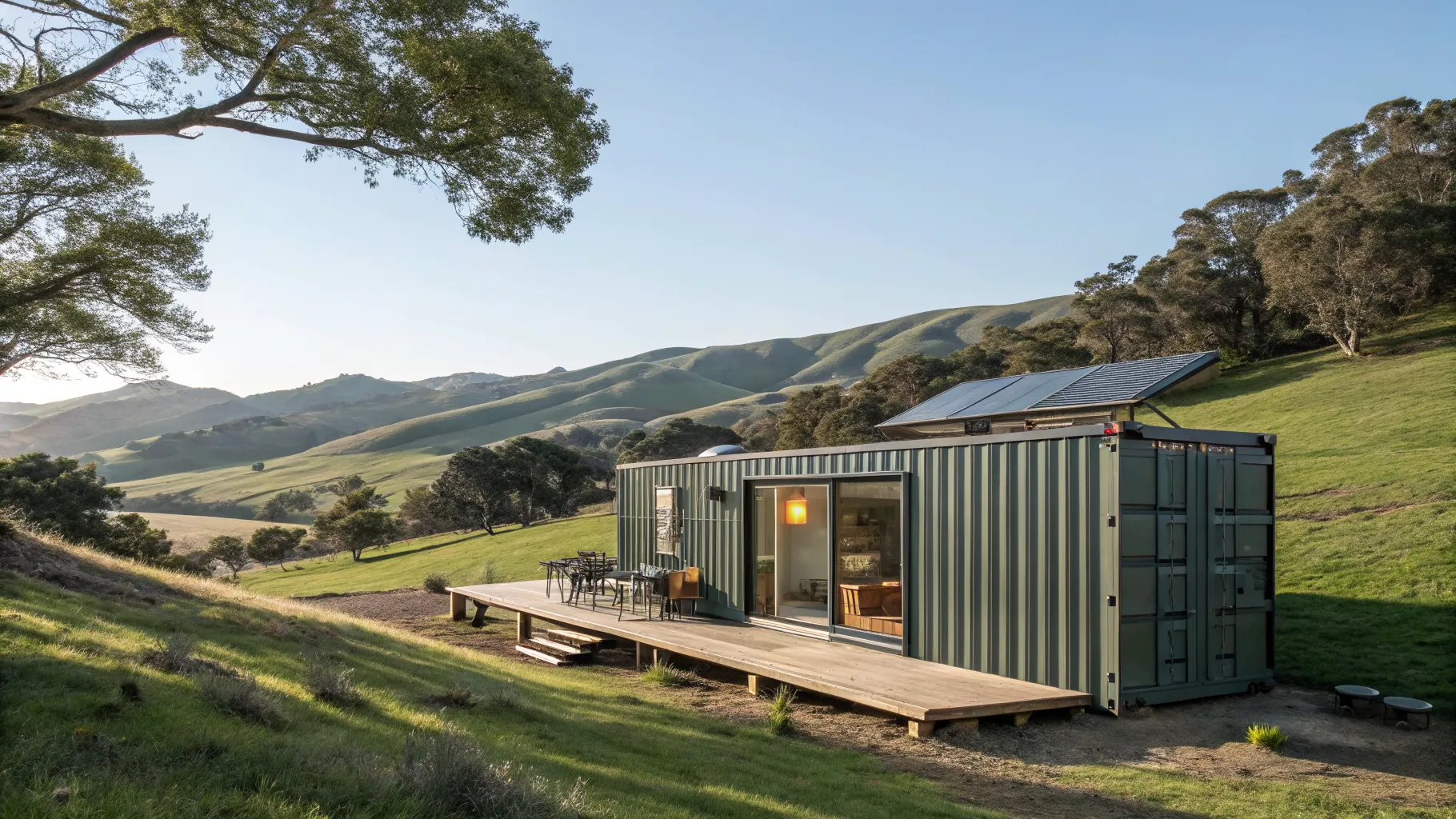
The demand for innovative and sustainable housing solutions has led to a significant surge in interest for move-in ready shipping container homes for sale in the United States. These unique dwellings offer a compelling blend of affordability, eco-friendliness, and modern design, appealing to a diverse range of homebuyers. From minimalist tiny homes to expansive multi-container residences, the versatility of shipping container homes is transforming the landscape of contemporary living. This article delves into the burgeoning market, exploring why more individuals are choosing these repurposed structures as their ideal dwelling, examining their benefits, challenges, and what potential buyers should consider before making an investment.
Why Choose a Move-in Ready Shipping Container Home?
The allure of move-in ready container homes stems from several key advantages that resonate with modern homebuyers. Firstly, their often expedited construction timeline means buyers can move into their new residence much faster than with traditional builds, avoiding lengthy and unpredictable construction delays. Secondly, the inherent strength of the steel container structure provides a robust and durable shell, engineered to withstand extreme weather conditions. Furthermore, the sustainable aspect is a major draw; repurposing used shipping containers directly contributes to reducing waste and minimizes the environmental footprint associated with new construction. This makes sustainable living solutions more accessible and appealing to an environmentally conscious demographic. The ability to customize these units allows for unique architectural expressions, transforming industrial containers into highly personalized and comfortable living spaces.
Understanding the Types of Shipping Container Homes Available
The market for shipping container homes is surprisingly diverse, offering a range of configurations to suit various needs and preferences. From compact single-container units perfect for minimalist living to elaborate multi-container complexes designed for larger families, there's a solution for almost every lifestyle. Understanding these different types is crucial when exploring shipping container homes for sale in the United States.
Single-Container Designs: Compact and Efficient
Single-container homes typically utilize one 20-foot or 40-foot shipping container, offering an efficient and compact living space. These designs are ideal for individuals, couples, or as a guest house, home office, or vacation rental. They are often the most affordable and quickest to deploy among move-in ready container homes. Despite their smaller footprint, clever interior design can maximize space, incorporating essential amenities such as kitchens, bathrooms, and sleeping areas within a well-organized layout. The focus is on functionality and minimalist living, demonstrating that quality of life doesn't always correlate with square footage.
Multi-Container Configurations: Expanding Your Living Space
For those requiring more extensive living areas, multi-container configurations offer scalable solutions. This involves combining two or more containers, either side-by-side, stacked, or arranged in more complex architectural layouts. This approach allows for multiple bedrooms, larger open-plan living areas, and the inclusion of additional specialized rooms. These larger homes provide the comfort and space comparable to traditional houses while retaining the unique aesthetic and sustainable benefits of container construction. Builders specializing in shipping container homes often provide various modular designs that can be expanded over time as needs evolve.
Custom-Built vs. Pre-Fabricated Options: Flexibility and Speed
Buyers generally have two main routes: custom-built or pre-fabricated shipping container home kits. Custom-built options offer unparalleled design flexibility, allowing homeowners to dictate every aspect of their home's layout, finishes, and features. This path is ideal for those with a specific vision, though it often involves a longer timeline and potentially higher costs. Conversely, pre-fabricated move-in ready container homes are constructed off-site in a controlled environment and then delivered to the chosen location. This method is significantly faster, often more cost-effective, and ensures consistent quality as the homes are built to standardized specifications. Many manufacturers offer a range of pre-designed models that can be delivered as fully finished, 'plug-and-play' units.
Navigating the Market: Where to Find Shipping Container Homes for Sale
Finding the perfect move-in ready shipping container home for sale in the United States requires navigating a relatively new but rapidly expanding market. Potential buyers can explore various avenues, including specialized online marketplaces dedicated to container housing, direct sales from innovative builders and manufacturers, and sometimes even through traditional real estate listings as these homes gain mainstream acceptance. Online platforms often showcase a wide array of designs, from basic models to luxury conversions, allowing buyers to compare features and prices from different providers across the nation. Many specialized builders also offer comprehensive services, from design and fabrication to transportation and installation, simplifying the process for the homeowner. When evaluating different providers, it is crucial to consider factors such as the builder's reputation, the quality of materials used, warranty offerings, and the extent of customization available. Thorough research into customer reviews and portfolio examples can provide valuable insights into the reliability and craftsmanship of potential suppliers of affordable housing United States. Additionally, understanding the full scope of services, including site preparation and utility hook-ups, is essential for a smooth acquisition process for your shipping container home.
Key Considerations Before Buying Your Container Home
Before investing in move-in ready shipping container homes, it is imperative to address several critical considerations to ensure a smooth transition and long-term satisfaction. These factors span legal, logistical, and environmental aspects, each playing a vital role in the success of your container home project.
Zoning Laws and Building Codes
One of the most crucial steps is to thoroughly research local zoning laws and building codes. Regulations regarding **shipping container homes** vary significantly across different states, counties, and municipalities in the United States. Some areas may readily permit them as primary residences or accessory dwelling units (ADUs), while others may have strict restrictions or even outright prohibitions. Understanding these regulations before purchase can prevent costly delays or even the inability to place your home on your desired land. It's advisable to consult with local planning and zoning departments to ensure full compliance.
Foundation and Site Preparation
A proper foundation is essential for the longevity and stability of any home, including a shipping container home. The type of foundation required will depend on local soil conditions, climate, and the specific design of your container home. Common options include pier foundations, concrete slabs, or even advanced helical pile systems. Additionally, thorough site preparation is necessary, which often includes grading the land, ensuring proper drainage, and preparing for utility connections (water, sewage, electricity). Accessible routes for the delivery and placement of the heavy containers must also be considered, as inadequate access can significantly increase installation costs.
Insulation and Climate Control
While robust, steel shipping containers are excellent conductors of heat and cold, making proper insulation paramount for comfort and energy efficiency. Without adequate insulation, the interior of a shipping container home can become extremely hot in summer and very cold in winter. Various insulation methods exist, including spray foam, rigid foam panels, and traditional fiberglass batts, each with its own R-value and installation requirements. Beyond insulation, an efficient HVAC (heating, ventilation, and air conditioning) system is critical for maintaining a comfortable indoor climate. Integrating features like passive solar design, cross-ventilation, and appropriate window placement can further enhance thermal performance and contribute to the home's overall **sustainable living solutions**.
Sustainable Living with Shipping Container Homes
The very essence of a shipping container home aligns perfectly with the principles of sustainable living. By repurposing robust steel containers that would otherwise sit unused or be melted down, these homes significantly reduce waste and the demand for new construction materials. This act of upcycling is a cornerstone of environmental responsibility. Beyond the initial reuse, many container homes are designed with additional eco-friendly features such as solar panels for energy generation, rainwater harvesting systems for water conservation, and green roofs for improved insulation and biodiversity. The compact nature of many designs also encourages a minimalist lifestyle, reducing overall consumption and resource usage. Embracing a shipping container home can be a profound step towards a more conscious and ecologically sound way of life, contributing positively to broader efforts in environmental conservation and promoting **sustainable living solutions** across the globe.
Maximizing the Potential of Your Container Home:
- Research Local Regulations: Thoroughly investigate zoning laws and building codes in your target area before committing to a purchase. Understand the specific requirements for foundations, utilities, and permits for shipping container homes.
- Vet Your Builder or Supplier: Choose a reputable builder with experience in move-in ready container homes. Check reviews, ask for references, and inspect previous projects if possible to ensure quality construction and adherence to safety standards.
- Plan for Utilities and Infrastructure: Consider how your home will connect to electricity, water, and septic systems. Evaluate the costs and feasibility of bringing these services to your chosen site.
- Budget for Unexpected Costs: While often affordable, prepare for potential additional expenses such as site preparation, landscaping, specific foundation types, or enhanced insulation tailored to local climate conditions.
- Embrace Customization: Explore the many ways to personalize your shipping container home, from interior finishes and smart home technology to exterior cladding and landscaping, making it truly yours.
Frequently Asked Questions
Are move-in ready shipping container homes durable?
Yes, shipping containers are designed to withstand harsh marine environments and heavy loads, making them inherently durable. When properly converted and maintained, shipping container homes can last for many decades, often exceeding the lifespan of traditional stick-built homes.
What is the typical cost of a move-in ready container home?
The cost varies significantly based on size, customization, and location. Basic move-in ready shipping container homes can start from $30,000 to $60,000 for a smaller unit, while larger, more luxurious multi-container homes with extensive features can easily exceed $150,000. It's important to factor in land costs, utility connections, and permits.
Do shipping container homes require special permits in the United States?
Permit requirements for shipping container homes vary widely by state, county, and even municipality. Some areas have specific codes, while others may classify them under modular or manufactured housing. It is crucial to check with your local planning and zoning department before purchasing to ensure compliance and avoid potential legal issues.
Can I get a mortgage for a shipping container home?
Financing for shipping container homes can be more challenging than for traditional homes, but it is becoming increasingly common. Some lenders offer specific loans for modular or manufactured homes, or you might pursue a construction loan. It's advisable to speak with several lenders experienced in alternative housing options.
References
- The rise of alternative housing trends.
- Sustainable building practices in modern architecture.
- Case studies in shipping container conversions.
- Market analysis of modular and prefabricated homes.